If the threat to shipping in the Red Sea out of the Suez Canal escalates, there is no knowing where oil prices may settle. In such a situation of a dual threat to the flow of Gulf oil, the latest US decision to open the door to Saudi Arabia in a nuclear power deal by which it may begin enriching its own fuel may add fuel to the fire
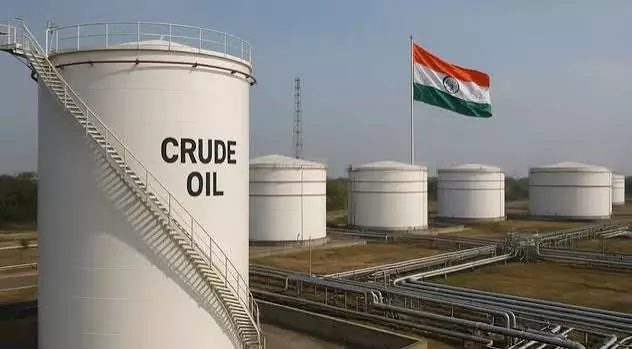
Oil shocks are beginning to register again as Brent crude crossed $99 a barrel and seems headed to a high of $125 per barrel this year if the conflict in Iran continues. Not only has the strait of Hormuz been shut for 13 days since the US resumed bombing Iran because it had been targeting commercial ships in the maritime choke point but also the Houthis claim to have hit a couple of Saudi Arabian tankers with missiles and drones in the Red Sea, affecting another major chokepoint for international oil traffic.
If the threat to shipping in the Red Sea out of the Suez Canal escalates, there is no knowing where oil prices may settle. In such a situation of a dual threat to the flow of Gulf oil, the latest US decision to open the door to Saudi Arabia in a nuclear power deal by which it may begin enriching its own fuel may add fuel to the fire. But then the US President Donald Trump has never been known to play by anyone’s playbook but his own.
Compounding the crisis behind the sharp rise in crude prices that had sunk close to pre-war levels of $70 per barrel is the fact that most oil consuming nations, principally China, have been drawing from their strategic reserves to keep the supply going while absorbing the pain of higher prices. With at least half a dozen Asian nations now planning to buy oil to pad up their reserves and build buffers to deal with the uncertainty, the fears over greater price escalation in oil from the Gulf are growing by the day.
Having used effectively enough the one bargaining chip it had in the Strait of Hormuz through negotiations over the now moribund Memorandum of Understanding with the USA, Iran has threatened that if its oil exports are curbed by the American blockade, then no one else will be allowed to consume oil from the region with the ease that they had got accustomed to in the last decade since oil prices had jumped two-fold in the early 2010s to nearly $140 a barrel.
India, having tapped significantly into its oil reserves in the wake of the Iran war that began Feb. 28, may be compelled to buy oil at much higher prices for the rest of the year as its buffer of Russian oil purchases, exempted from sanctions by the US for a while more, might find that those good days may have gone for good. With Russia also struggling with oil production thanks to Ukraine hitting a nerve by striking its refineries with drones, the qualms over supply lines are beginning to come to life in alarming ways.
The Cinderella days of the Indian economy having passed by despite some strong management by the government of India during the current supply chain crisis and the major public sector oil companies it controls, India may struggle to cope much as all countries east of the Atlantic Ocean which depend mostly on oil and gas from Iran and the Gulf nations. The only prayer left for oil consumers is that the combatants in the Iran war see reason and go back to serious negotiating for peace. Given the current scenario of a capricious White House occupant and hotheads in Iran and Israel, it is an increasingly tall ask.