For many countries, a weak monsoon may be merely a meteorological event, but for India, it is a macroeconomic shock multiplier
The India Meteorological Department (IMD) has issued a forecast of a below-normal southwest monsoon due to the likely emergence of El Niño conditions in the Pacific Ocean by June. While the possibility of a positive Indian Ocean Dipole in the latter half of the rainy season offers some hope in central and western India, the initial deficit in rainfall could be enough to disrupt sowing cycles, crop yields and rural incomes.
El Niño is a natural phenomenon that affects the wind patterns over the Indian Ocean, Pacific Ocean and Siberia. According to Oceanic Niño Index (ONI) data from the National Oceanic and Atmospheric Administration (NOAA), which tracks these occurrences, El Niño typically develops every two to seven years.
For many countries, a weak monsoon may be merely a meteorological event, but for India, it is a macroeconomic shock multiplier. The southeastern monsoon impacts the livelihoods of nearly two-thirds of India’s population. As farms in most of the country are rain-fed, a deficient monsoon will lead to lower output, reduced farm incomes and weaker rural demand, affecting the overall economy. The government, therefore, should develop systems that could insulate the rural economy from frequent monsoon-related crises.
But the timing makes the forecast of a poor monsoon especially troubling. The US-Iran war in West Asia has affected several key trade partners of India, such as the UAE and Saudi Arabia, which could affect India’s overall exports and the livelihood of lakhs of Indians working in the Gulf. If Indian expatriates lose jobs, it will adversely impact remittances, causing a severe strain on the current account deficit and the rupee.
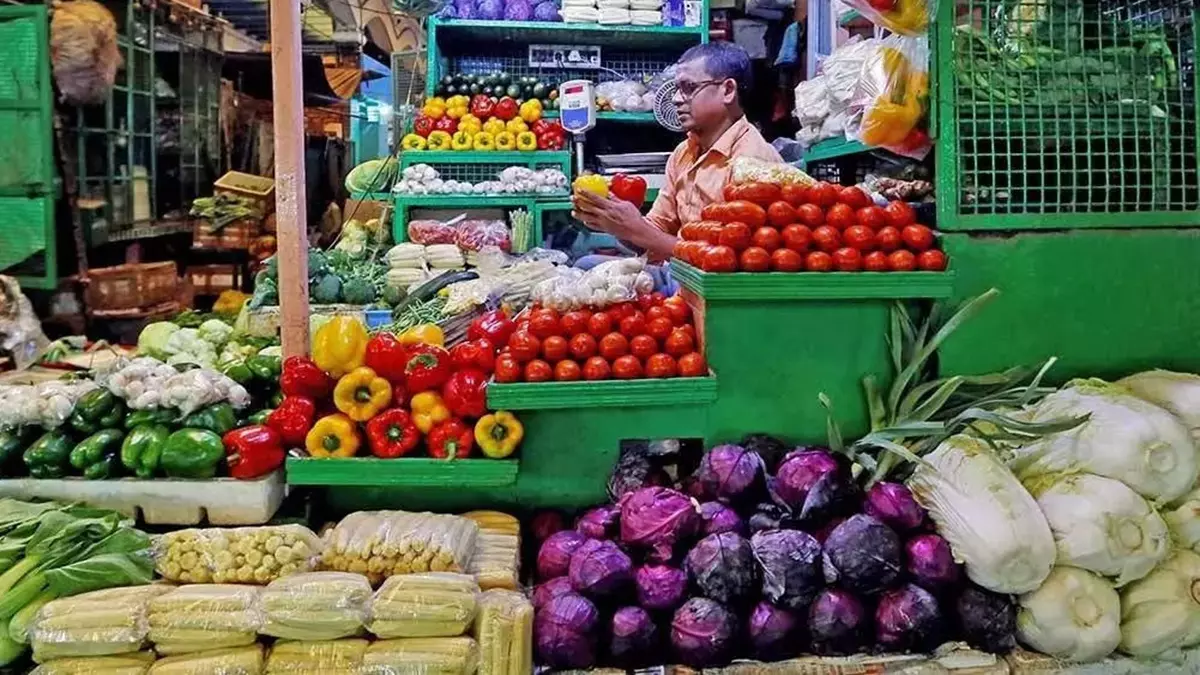
A poor monsoon could amplify food inflation, leading to a ripple effect on the headline inflation — which is under stress from elevated global crude prices. The fuel- and food-driven inflation could become sticky, complicating the task of monetary policy for the Reserve Bank of India.
The external economic environment adds to the complexity. Most countries, including India, are reeling under growing protectionism in the world. US President Donald Trump’s policies continue to cloud India’s export prospects, limiting India’s ability to offset domestic weakness through external demand. The emerging challenge of automation and AI-led disruptions in the job market only sharpens the stakes. As low-skill and routine jobs face uncertainty, the rural economy remains a crucial absorber of labour.
A weak monsoon reduces that safety net, risking a sharper employment squeeze and migration pressures. Similarly, private investment remains hesitant, held back by global uncertainty and uneven domestic demand recovery. A rural slowdown triggered by weak rains could further dampen investment sentiment, particularly in consumption-linked sectors.
As the country faces a multi-sectoral crisis, the government should take necessary measures at least to meet necessities. One of the steps the government could take is to further the continuation of free cereals. But will this be enough? If the government wants to enhance the country’s resilience to face a crisis, it should invest in food processing industries, which could function as a backstop in the crisis, while cashing in on bumper harvests. The government should discourage the commercialisation of basic education and basic health by harnessing technologies.