Court considers freedom of conscience and religious rights in Vande Mataram case
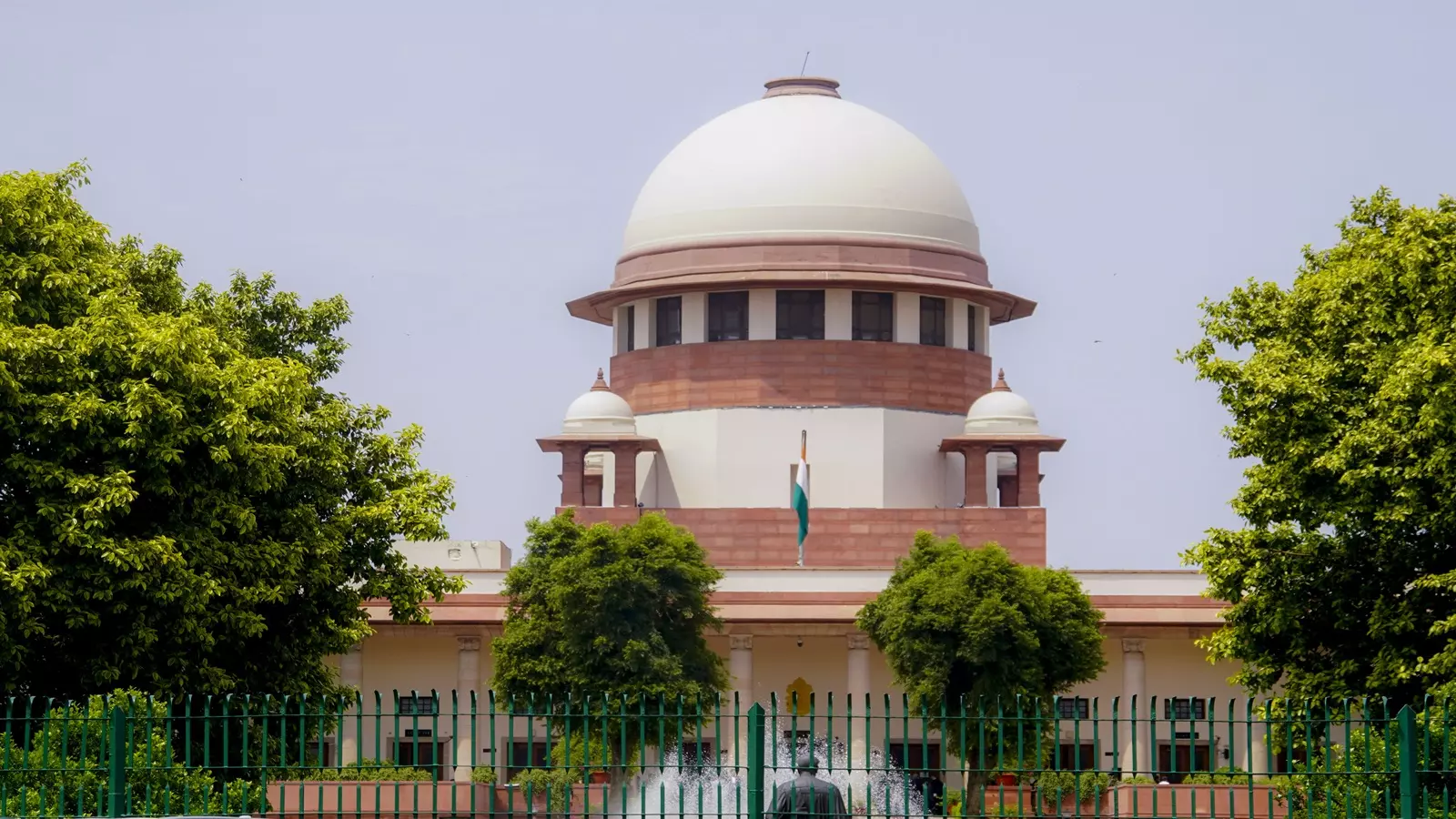
The Supreme Court’s position that a “conscientious objector” should not be punished for refusing to sing ‘Vande Mataram’ has come as a welcome relief for those who believe that India belongs to all Indians; it has also struck a body blow to the propensity of the BJP, which leads the Union government, to push its divisive agenda even on matters of national importance. The court has reminded the government of its position in 1986 when it decided that a citizen can respectfully decline to sing even the national anthem and that the state is not going to subject him to criminal action. The court stopped short of sending notice to the Union government in deference to the request of its law officer and limited itself to seeking its response on the subject.
The contention of Carnatic vocalist and author T.M. Krishna before the court was that mandating the singing of all six stanzas of ‘Vande Mataram’ violated the country’s secular character. Extending penal provisions to the national song, coupled with directions for rendition of all six stanzas of ‘Vande Mataram’, raises fundamental questions concerning freedom of speech and expression, freedom of conscience, equality, religious freedom and secularism as enshrined in Articles 19, 25 and 26. The court appeared to have agreed with him in the larger point and has said it will examine whether the rights of one who declines to sing on religious grounds are protected under the law.
‘Vande Mataram’, the national song, has been a venerated symbol of India’s national movement, passed down by generations of patriots. The song in Bengali was sung by freedom fighters across the country, as they found it a means to unite them in the fight for a noble and legitimate cause. When the nation’s political climate changed, the context of the song and its meaning also underwent a change, which resulted in the leaders of the movement restricting the rendition of the song to its first two stanzas. Dr Rajendra Prasad’s announcement in the Constituent Assembly that ‘Vande Mataram’ will be the national song of India and will be venerated at par with the national anthem was received with cheers.
Three quarters of a century later, the BJP has suddenly woken up to those forgotten stanzas and made it part of the national song. It also got a piece of legislation passed providing for the same protection to ‘Vande Mataram’ that the national anthem and the national flag command. It is not that there is a national emergency and people have revolted against all those symbols. The party knows that this move has the potential to divide people on religious lines and that it can spread the message of hate through those fault lines.
From the Preamble to the last Article, the Constitution talks about discarding the old baggage of bigotry and creating a new world for all Indians premised on the best of human attributes. Those ideals have stood the test of time. The Supreme Court’s stand on the issue reaffirms the belief that it will stand in the way of attempts to undo all those values, and is hence reassuring.
