Talks may shape India’s economy and global standing for years to come
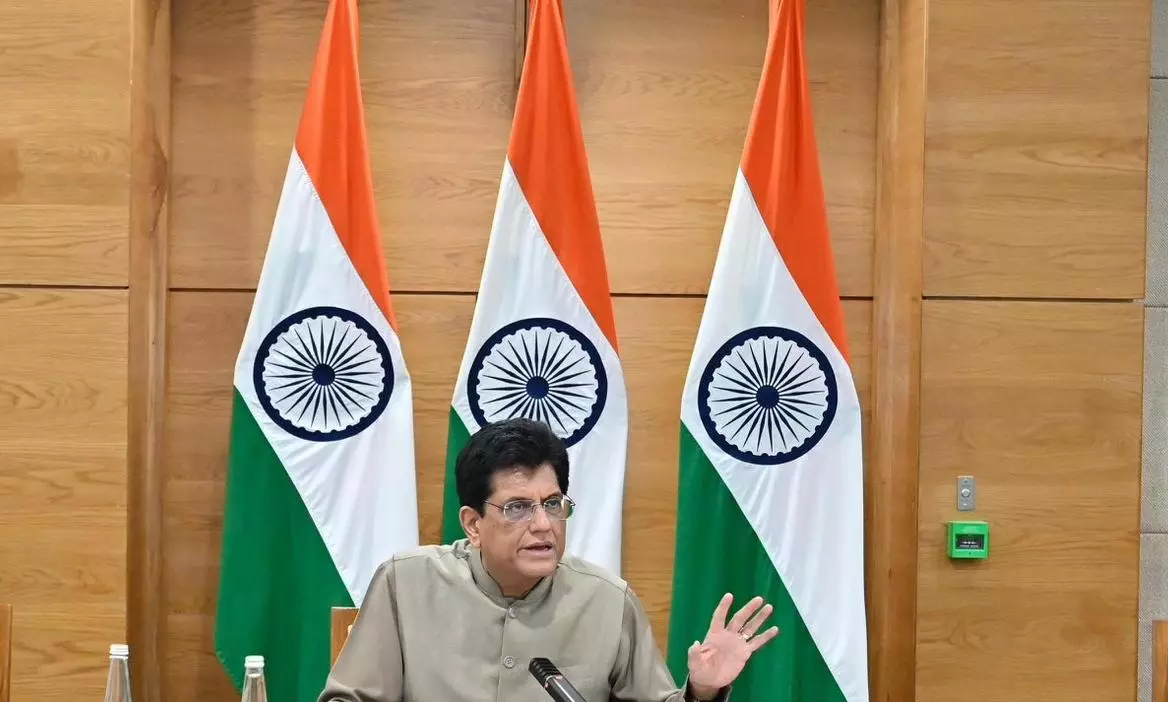
As Union Commerce Minister Piyush Goyal and his team arrive in Washington on May 17 to negotiate a potential trade agreement with the United States, the stakes could hardly be higher for New Delhi. This meeting is not a routine diplomatic engagement as it could shape the trajectory of India’s economic future for decades. At its core, this trade deal is not just about tariffs and market access — it is about asserting India’s place in a rapidly changing global order, especially after China surprised the world with its quick-fix deal with the United States.
A trade deal with the US has become increasingly essential because of American President Donald Trump’s disruptive approach to global trade and commerce. Trump’s penchant for transactional policies and emphasis on bilateralism over multilateralism shook the foundations of the global free trade regime. Aligning itself with the changed dynamics, India has been in talks to conclude trade deals with major economic powers. India already has bilateral trade deals with the United Kingdom, Japan, Australia and the ASEAN.
Apart from the US, it is also in talks with the European Union and Canada. The progress, however, on trade deals has been slow. Despite several rounds of talks, there has been no outcome, attesting to the globally known fact that Indians are tough negotiators. During his press meet in February, Trump conceded the fact that Indians are tough negotiators. It cannot but drive hard negotiations because the outcome determines the basic survival of at least 27 crore acutely poor people.
True to his desire to remain in the headlines, and even before Mr Goyal could meet his US counterpart for talks, Trump announced that India had agreed to eliminate tariffs on 90 per cent of American goods. India is keen on having a mutual zero-tariff regime between New Delhi and Washington. However, the Narendra Modi government could seek an exemption for products that are mainstay for crores of people.
Though the US-China deal has disappointed many countries which seek to position themselves as an alternative to Beijing under the China-plus model, a free deal could open India to an influx of US products, potentially forcing Indian industries to rediscover and innovate themselves to capture the world’s biggest consumer market. Similarly, India must exercise caution to protect local manufacturing by adopting a phased implementation of the trade deal.
If India and the US conclude the trade deal, the American officials should desist from discouraging the flow of trade and investment between the two countries. For instance, Trump’s recent comment urging Apple not to shift its manufacturing base to India is clearly not done. It would be preposterous on the part of Trump to expect access to India's markets without allowing the flow of investment and technology from his country.
Another example of America’s self-centredness is the proposed tax on outbound remittances. A foreign worker remits some of his hard-earned money after duly paying taxes in the US to support his or her family in the home country. If the United States proposes to tax even taxed money, it would be against the established norms. Apart from tariffs, the Indo-US trade should remove such frictions to promote the long-term strategic relationship between the two democracies.