Labour-intensive sectors gain market access as high-tech firms face global competition
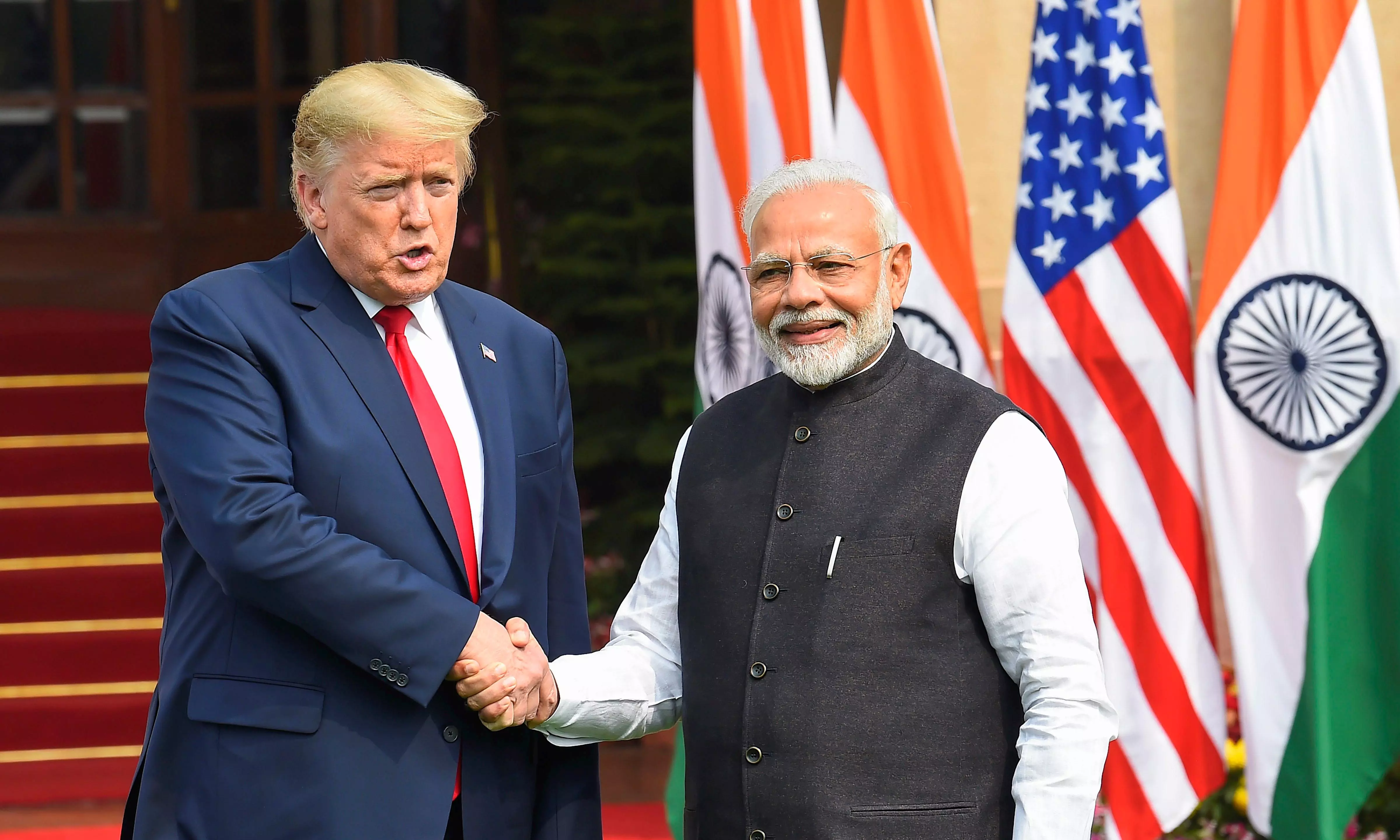
The India-US bilateral trade deal, which is being dubbed as the father of all deals and lowers trade barriers in the country for American products, marks a strategic pivot in the bilateral trade relationship. Unlike the last two decades, when the Indo-US relationship was based on strategic considerations, this deal introduces a “give-and-take” model that trades energy and agricultural concessions for the revival of Indian manufacturing exports.
Under this deal, India promised to lower entry barriers for US products in return for America’s reciprocal treatment for Indian products. While it would be beneficial for labour-intensive sectors such as textiles, apparel, leather, footwear and artisanal products, the deal would force a major restructuring in high-tech engineering sectors.
Companies operating in labour-intensive sectors will be the big gainers. The deal has opened up the $30-trillion US economy for them. Along with the recently concluded EU deal, they have got a $50-trillion market to serve, which is a humongous opportunity. Unless new inventions in robotics replace labour requirements further, this deal will help Indian companies to expand and hire more people — a positive for a country with a huge young population.
Indian high-tech and industrial companies, which were happy with serving the domestic market under the protection of government trade barriers, will have to face the onslaught of American and European manufacturers. This competition will force Indian companies to choose either of three options — get competitive, improve quality and expand their market, or collaborate with the Western sectoral majors, or get out of business.
With India opening up its market to the US and Europe, it will be a setback for the Narendra Modi government’s Make in India programme as the Indian products in high-tech areas cannot match the Western products in quality and price points at this stage. India, therefore, cannot become self-reliant at least in the next decade.
The India-US deal marks a total reversal of the industrial strategy that India has been following since Independence by focusing on big industries and niche technologies. By trading off the Make-in-India programme to collaboration with Western companies for market access for labour-intensive business, India has adopted the East Asian model. Unlike India, the Southeast countries and China initially focused on the creation of employment and used wealth generated thus to build rivals for Western companies.
Contrary to initial demands, the Donald Trump administration appears to have understood the limitations of the Narendra Modi government in opening up US farm produce for human consumption. The US appears to have agreed with the opening of the huge animal feed market, protecting farmers from the US onslaught.
About two decades ago, no Indian government could have agreed on a deal in the current form. Now, however, the Indian economy has matured and cannot demand lollipops like sub-Saharan countries. India’s deal with the US and Europe will lead to two developments which were long overdue — increasing jobs for people and forcing Indian companies to become global. It is high time that Indian companies show that they are second to none.