Leaving my children behind in England, in the throes of their life-defining board exams, I flew to Kolkata to assist with my father’s expected recuperation.
Memories and memorials have been a large part of my life in the last few months, as my beloved father was first hospitalised and then, abruptly, gone. Yes, he’d been grappling with various ailments, but nothing that was ever flagged as life-threatening by the throttle of physicians consulted. Yet, out of the blue, one mundane evening, he collapsed and never regained consciousness, even as his doctors predicted a full recovery.
Leaving my children behind in England, in the throes of their life-defining board exams, I flew to Kolkata to assist with my father’s expected recuperation. But that was not to be. Alongside the heartbreak and (bureaucratic and financial) harassment that attend death, I had the cold comfort of dropping one last kiss on his cooling forehead, of carrying his pall to the conflagration that reduced him to ashes, and the realization that he lived on in our resilience in crises.
There was bittersweet succour to be found, also, in his thumbing his nose, as it were, from the other side of sentience, at the cluelessness of the smugly negligent medical establishment. Some solace could be drawn as well, in his having decided, if decisions can be made while drifting away, that he would bring an end to both his suffering and ours, sleeplessly watching and worrying over him as we had those last days.
Comfort, too, arrived on our doorstep with the heartwarmingly vast visitor contingents, offering condolences, a forest of flowers, sweets, and sometimes, practical help (in the form of khichri, assistance with arrangements, and counselling from lived experience). If our loss wasn’t made bearable by the universality of bereavement, we felt seen and supported.
In that very acknowledgement that each experience is different, though there’s nothing more tragically inevitable than death, I found the key to coping with heartache; especially in our quickly-pulled-together-yet-well-attended gathering to celebrate the eventful, erudite existence my father had led. Described by a friend as “very moving without being maudlin”, I both encouraged and was delighted by the joy gently rippling through the evening, which was exactly what our father would have wanted from an event in his name.
Struck by how much love there was for him in evidence that day — in the songs he enjoyed that were sung expressly, in fond speeches from an array of friends and family, highlighting some of his finest (and funniest) moments, as well as in the avalanche of warmth off-stage — I couldn’t help but wonder if these bracing celebrations of the lives we live, and the good we accomplish in small and large measures, shouldn’t happen before a life ends, rather than after!
That they don’t is down to convention. We commemorate folk once they’ve left us, and that’s true of most cultures. Not for us ordinary mortals are roasts, toasts, felicitations, and lifetime achievement awards, while we’re still around to, not just appreciate, but benefit from them. Gain a second wind even.
It’s human nature, unfortunately, to recognise a person’s true worth after they’ve very definitely decamped, and only then, to honour them. Yet, if humanity got into the habit of celebrating everyday individuals in the course of their lives, instead of after their demise, wouldn’t it extend our existence with an infusion of the very validation it needed? If our wakes were held while we were still awake, wouldn’t they give our physical and mental health the boost they sometimes (desperately) require in our twilight?
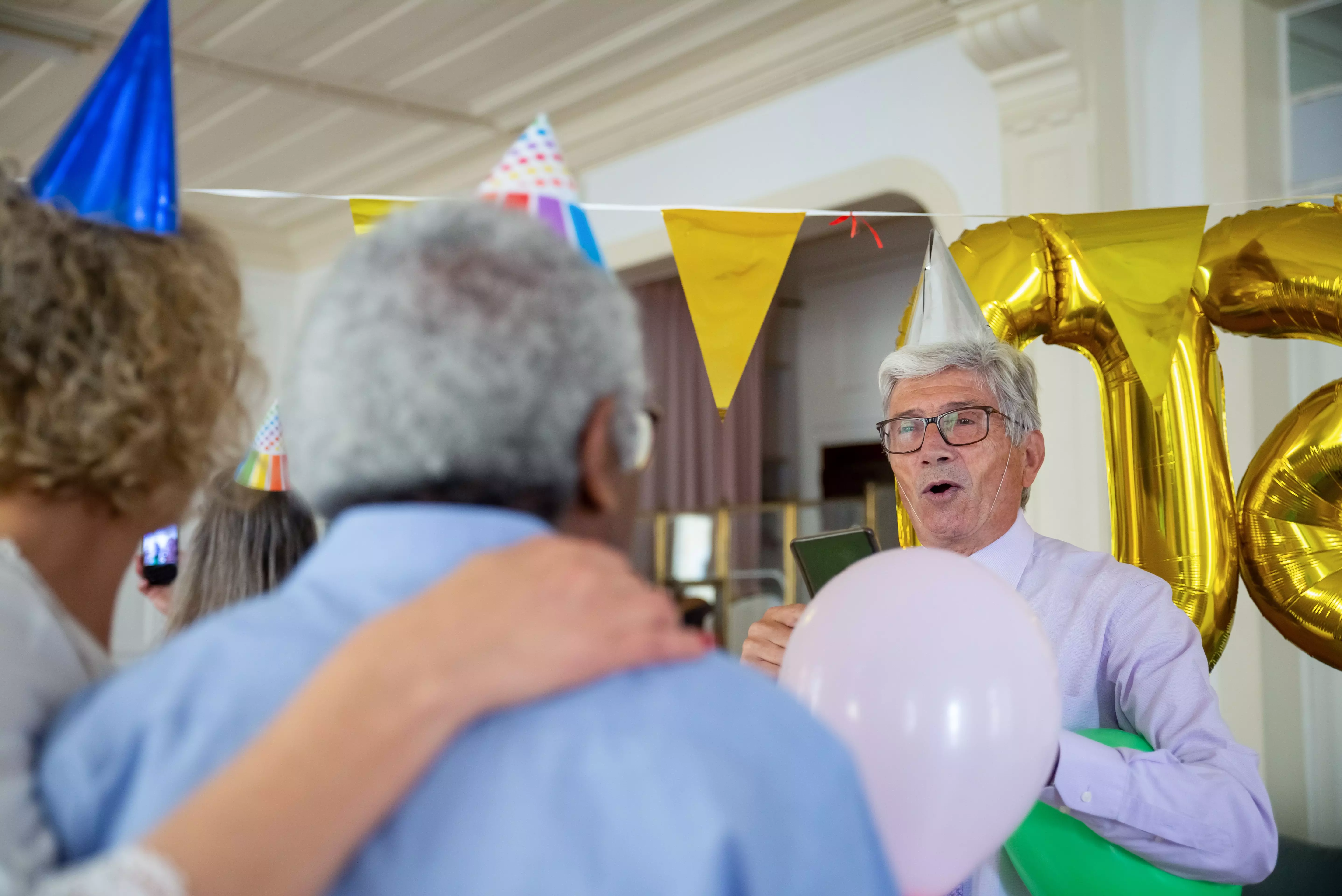
Oh sure, we have late-life birthday parties and so on, but they’re rarely accorded the respect of a memorial. People don’t feel the same compulsion to turn up, or make the appreciative speeches they do after the fact, though undoubtedly each word is meant. I intend, therefore, not just to urge everyone else to have their final get-together in advance of their suspected departure, but to set an example, by having mine, well before my death. To enliven the time I’ll have left, and maybe even lengthen it!
Not at all like Ross in Friends then, who falsely spread the news of his demise to discover what his familiars really thought of him, with unexpected consequences. There would be no pretence at mine that I wasn’t still alive (and kicking, hopefully); gathering family and friends around me to share good memories, fine food, and music that touches a collective chord.
Isn’t that too irreverent, you wonder. Or, at least, precipitate? If it stretches a life out further, we’re not celebrating its winding down, eh? And what’s to stop us hosting more than one memorial for ourselves if we find the felicitations addictive? But, ask yourselves, whyever not?
The twilight years are undeniably a wrapping up, with no time like then to celebrate the past, as well as the immediate moment. Nor does any other span in our lives need the upliftment of fond gatherings quite as much. Most of all, it might give both the celebrants, and the cynosure of that evening’s attentions, a few more years with the people they love.
The more I think about it, the more I’m sure it’s exceedingly sensible, and more productive too, to fete a life while it yet flowers, and not afterwards. Lavish all the praise on them you’d reserved for their memorial, fill their heart with your regard and let it tick a little bit longer. So, when they go, as we all shall, there’ll be fewer things left unsaid and many fewer regrets.
Good grief — can it be done?
