SIR faces legal questions over voter deletions and electoral roll procedures
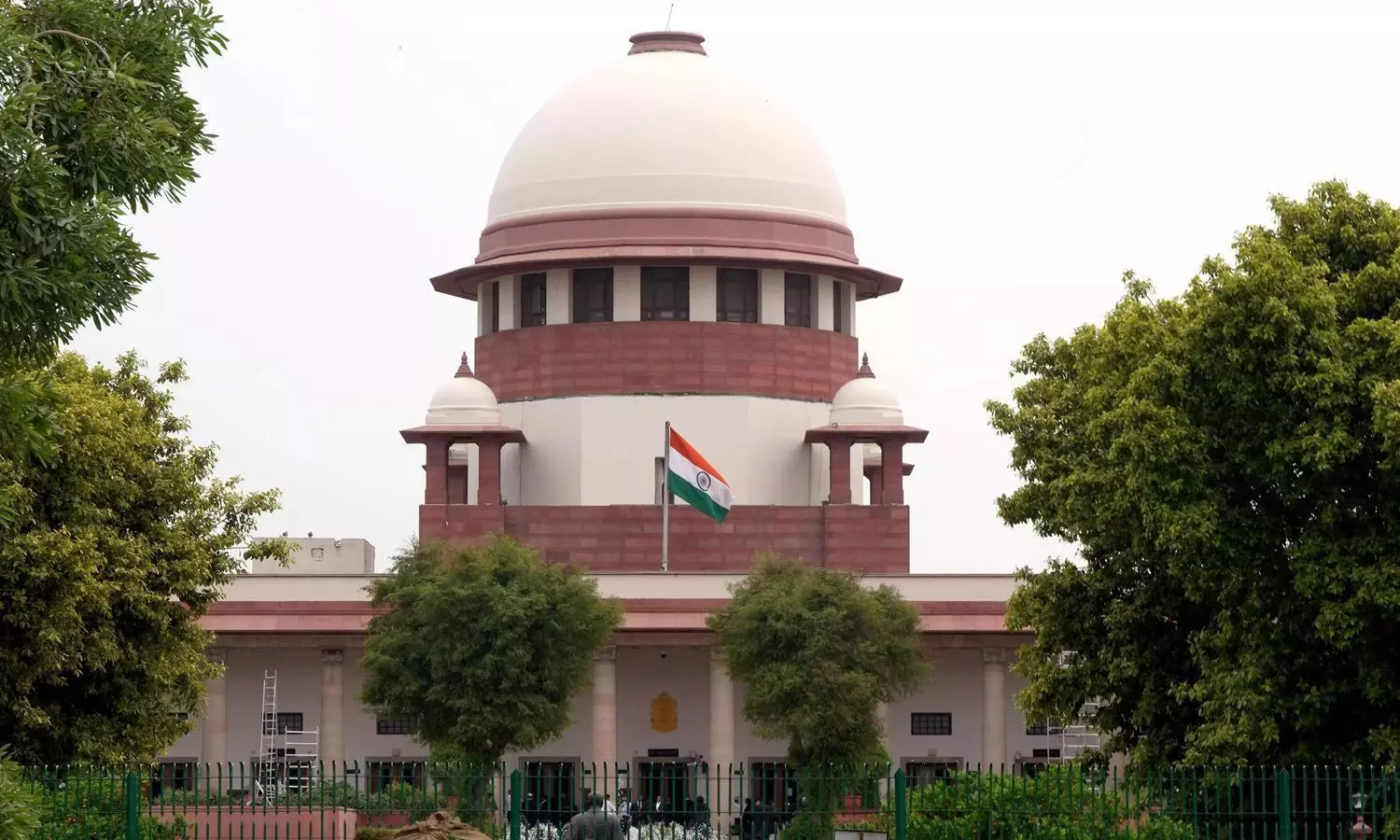
Finally, the actions of the Election Commission of India under Chief Election Commissioner Gyanesh Kumar with respect to the special intensive revision (SIR) of electoral rolls across the country have come under some serious legal scrutiny with the Supreme Court issuing notice to the poll panel. In a stricture that is unprecedented in the history of the EC, the Supreme Court has also contradicted the EC’s claim that the changes in the requirements for the submission of Form 6 by new voters have been cleared by the SC, making the continuation of the present team in office untenable.
The SC action has come close on the heels of criticism by two eminent jurists, Justice Ujjal Bhuyan, a judge of the Supreme Court, and Justice Rohinton Nariman, a former judge, openly criticising the exercise that has robbed crores of Indians of their voting rights. Justice Bhuyan made it unequivocally clear that the name of a voter once enlisted in the electoral roll cannot be deleted without notice and hearing. He found that no amount of whataboutery can justify a process which disenfranchises millions of Indian citizens as it is “intrinsically arbitrary” and a “negation” of the constitutional order. Justice Nariman was equally forceful when he said voting rights are at the heart of our democracy and the EC has put them in “great peril”.
While the SC’s intervention is welcome, it must not be forgotten that it is not the first time that the shortcomings and wrongdoings associated with the SIR process have been brought to its notice. Petitions were filed before the court against the SIR in Bihar, the first state to roll out the exercise, complaining that the people were given very little time to present the documents asked of them but the court granted little relief, except directing the EC to accept Aadhaar card as one of the documents that can support the claim of a voter to remain on the list.
While petitioners fought legal battles against the ad hoc and arbitrary conditions the EC attached to the process in other states, the scale of disenfranchisement in West Bengal surpassed that in other states. As many as 90 lakh voters were excised from the list there. There were indeed names that legitimately required deletion owing to deaths or migration but when it finalised the electoral roll ahead of the Assembly elections after removing 90 lakh names, over 22 lakh voters had moved the tribunals seeking re-entry into the electoral roll. The apex court had allowed the EC to go ahead with the elections with such a massive number of voters being disenfranchised for no fault of theirs.
Now that the institutions have come under public pressure, it appears that the apex court has woken up to the injustices they allowed to be perpetrated on those people. The court must now decide how it is going to deal with the EC and the elections it conducted on the basis of faulty electoral rolls. It is the job of the court to ensure that all arms of the state function in accordance with the mandate of the Constitution and the law, and it comes to the rescue of citizens when their rights are violated. It must also view the fraudulent act of the EC to put a veil of Supreme Court approval on its illegal and unconstitutional decisions also seriously so that such acts are never repeated.