Governor reshuffle sparks debate as elections near in West Bengal and Tamil Nadu.
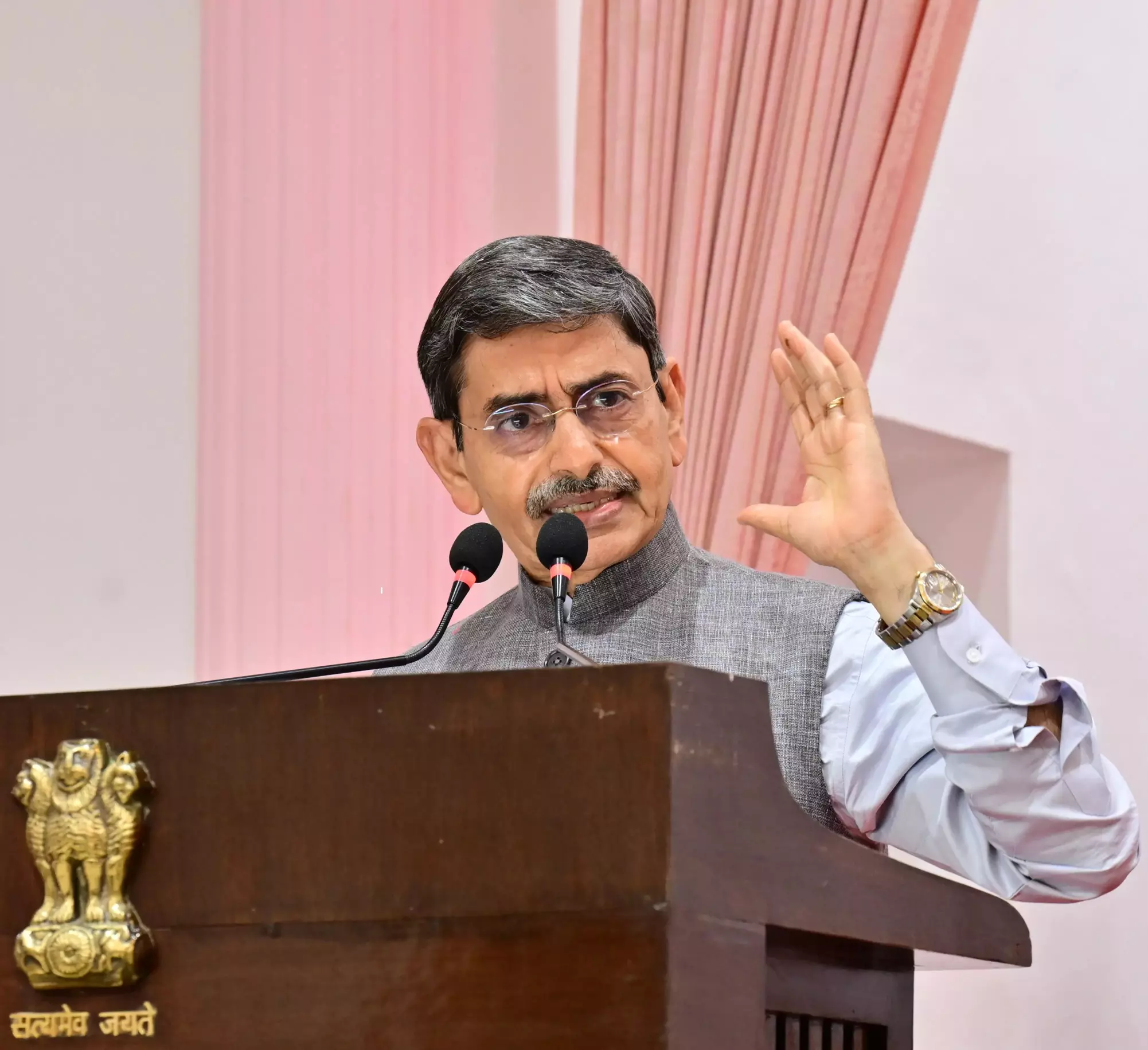
In a spate of transfers of governors announced late evening Thursday, the most interesting one is that of R.N. Ravi to West Bengal. The whole hurried exercise of transfers and postings may have been owed to the resignation of C.V. Ananda Bose as governor in Kolkata, ostensibly to pressure from the home ministry, but it is the nearness of elections in both Bengal and Tamil Nadu that Mr Ravi’s transfer becomes intriguing.
The joy in the corridors of power in Tamil Nadu may be palpable as Governor Ravi was a thorn in the flesh, his presence in the Guindy Lok Bhavan being a constant reminder of a live threat to Centre-state relations. Such damage has been wrought to federal ties as well as to basic principles of democracy that it is being posited that the Constitution will be a casualty wherever he is posted.
As governor, Jagdeep Dhankhar was an irritant enough in Kolkata but the relief at his promotion to vice-president, which brought some relief to West Bengal, is gone now with Mr Ananda Bose, who showed more of a non-confrontational attitude to the ruling party and its head, being forced to resign. Besides a saga of events taking place in a caustic, no-love-lost atmosphere between the chief minister and the Centre, issues over the revision of the poll rolls are still hanging and West Bengal is beset by a mood of conflict with New Delhi.
The Centre’s most unyielding representative, Mr Ravi, now heads to a volatile Bengal that is a virtual powder keg as the polls are nearing. No wonder then that the chief minister Mamata Banerjee sees red while recounting that a line had been crossed already in the Centre not consulting her before effecting the change in personnel.
As the Centre’s representative in the Chennai Lok Bhavan, Governor Ravi was the obstinate hand who refused to go by the niceties of the code of conduct expected to be followed by holders of high constitutional office, however decorative the post itself is as envisioned by the writers of the Constitution. His steadfast refusal to read the governor’s address to the Assembly was more of a theatrical gesture, but the harm he did in sitting on legislation while making pedantic references to his choices in actions on bills as governor was considerable.
His playbook entailing the bills passed by the Tamil Nadu legislature had become so irksome that the Supreme Court stepped in, passing strictures and ordering that the legislation passed a second time after the governor returned the bill to be deemed to have become law. Mr Ravi had carried on despite the rebuke by the top court and is now deemed to be the best man to man the assignment in Bengal at an inappropriate time.
While suffering the shenanigans of being played over its right to pass legislation, the Tamil Nadu government even appointed a panel under a retired judge which made many useful recommendations regarding the appointment of governors and how to avoid the confrontational atmosphere created by partisan actions of many of the Centre’s representatives.
Of course, considering the caustic vibes now between Opposition-ruled states and the BJP-led and NDA-ruled Centre, there is no question of changes to the Constitution ever being considered. Differences arising between a Centre-appointed governor and an elected state CM are not new. In Tamil Nadu, they go back to the early 1950s when Sri Prakasa was appointed governor. The state has become even more of a cause celebre after the capers of Mr R.N. Ravi.
