The verdict made no material difference to the original election after which the MLA went on to serve his term before going into political wilderness. But the high court was emboldened to point out that the top court may also have been to blame for a major part of the interminable delay and even seemed to admonish the process in terming the issue a “grave mockery of justice”
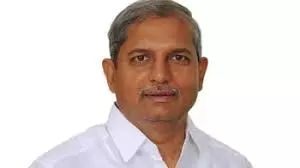
The wheels of justice are known to grind on ever so slowly, particularly in India. Even by those standards, there was a clear case of justice being undermined by judicial delay in an election dispute in the Radhapuram constituency in Tamil Nadu. Ten years later, after two more elections had been held to the state Assembly, the election of AIADMK MLA I.S. Inbadurai was overturned and DMK’s M. Appavu was adjudged the winner.
The verdict made no material difference to the original election after which the MLA went on to serve his term before going into political wilderness. But the high court was emboldened to point out that the top court may also have been to blame for a major part of the interminable delay and even seemed to admonish the process in terming the issue a “grave mockery of justice”.
Much the same could have been said of the disproportionate assets cases against the former Tamil Nadu chief minister J. Jayalalithaa and her aide that wound to a conclusion 20 years after any corruption may have taken place. But at least it could be said that justice was served in the case as Jaya’s aide Sasikala served out a four-year sentence after her patron had died.
An equally bizarre case may have played out in Telangana where a BRS MLA was declared to be not a citizen of India years after he had been elected and had served his term in the Assembly. C. Ramesh was fined and ordered to compensate his rival as he denied him an opportunity to serve by hiding his German citizenship while contesting the poll.
What these and many other cases point to is not just the extreme slowness of the process of election cases that are supposed to be dealt with in six months’ time but also a certain awkwardness in dealing with election petitions and DA cases that have to do with political leaders who may have perfected the art of dragging legal cases in order to enjoy the status quo. Such instances of judicial procrastination toys with the people’s will just as much as electoral malpractices tend to deny that will.
