Finance minister Nirmala Sitharaman stepped in to clarify that people-to-people UPI transfers will not be charged. She said that if the MDR is reintroduced, only commercial transactions valued beyond a threshold could come under the purview of the service charge. Analysts believe this threshold could be Rs 2,000
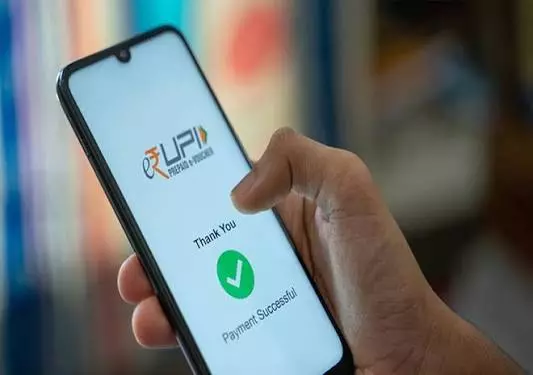
Seven years after the merchant discount rate (MDR) was discarded for UPI transactions, the Central government is all set to reintroduce a service charge for processing payments following the approval of an enabling provision through an amendment to the Payment and Settlement Systems Act, 2007.
The suspension of MDR in 2019 — coupled with the ease of transactions offered by UPI and worries surrounding currency notes during the Covid-19 pandemic — mainstreamed QR code payments and catapulted India into becoming the global leader in digital payment systems.
Within six years, UPI’s QR Codes have become the most ubiquitous feature in India. In the last financial year, the National Payments Corporation of India (NPCI) processed 24,162 crore UPI transactions, or 90 per cent of total digital transactions in the country. These transactions were valued at Rs 3,14,23,251 crore, accounting for 57 per cent of the total value of digital transactions in FY 2025-26. IMPS, CTS cheque clearing and NACH clearance together form 36 per cent of digital transactions by value.
As banks failed to make money from UPI despite its unparalleled dominance, they lobbied, with the support of the Reserve Bank of India (RBI), for the reintroduction of a service charge that could enable them to invest in infrastructure and maintenance. While ‘users pay’ is a generally accepted commercial principle, the prospect of charges on UPI has brought disquiet among customers as well as merchants in the country.
Finance minister Nirmala Sitharaman stepped in to clarify that people-to-people UPI transfers will not be charged. She said that if the MDR is reintroduced, only commercial transactions valued beyond a threshold could come under the purview of the service charge. Analysts believe this threshold could be Rs 2,000.
According to NPCI data, the ticket size of 86 per cent of UPI transactions is less than Rs 500, which translates to 20,778 crore transactions. Transactions with a ticket size between Rs 500 and Rs 2,000 account for 10 per cent, or 2,416 crore transactions.
Only four per cent of transactions — 966 crores in absolute terms — have a transaction value of more than Rs 2,000 each. However, these four per cent of transactions — with an average ticket size of Rs 20,000 — make up around two-thirds of UPI payments by value, or Rs 2 lakh crore, opening up space for competition, including from Visa and Mastercard.
Reports also suggest that the MDR on UPI will be lower than the fee charged by international payment processing companies. As Visa and Mastercard charge an MDR of between one per cent and three per cent, UPI’s MDR could be significantly lower at 0.5 per cent or 0.75 per cent.
The government contends that the MDR will be collected from merchants and not consumers. However, in practice, though illegal, many small and mid-sized merchants try to recoup the MDR from customers for accepting online payments, which would marginally increase the cost for customers. The government, therefore, needs to prevent this illegal practice. Otherwise, people will switch to cash payments damaging the country’s long-term goal of achieving a less-cash economy.