Bureaucratic reshuffles tied to controversial voter roll revision spark concern
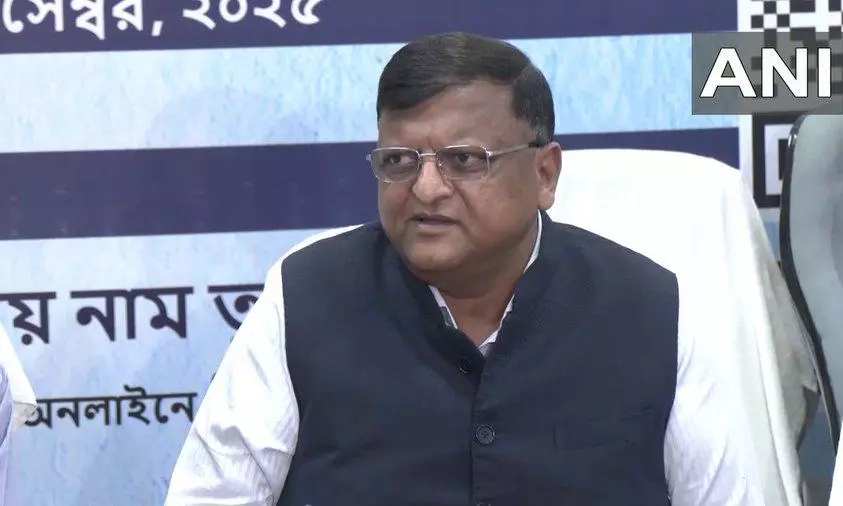
The appointments of West Bengal chief electoral officer Manoj Kumar Agarwal as the chief secretary and Election Commission’s special roll observer for the contentious special intensive revision (SIR) process as adviser to chief minister Suvendu Adhikari would not have come as a surprise to anyone but the message they send out is unlikely to inspire confidence in the government for a large section of the people.
Chief ministers and ministers are political executives; they do have the twin role of being apolitical in administrative matters while being political in the rest of the matters. The oath of office of the chief ministers and ministers hence commits them into acting without fear or favour or affection or ill-will. The bureaucracy, conceived as the backbone of the executive arm of the government, is expected to act independently and impartially every time. The idea is that the government belongs to all people, irrespective of the political affiliation of those at the wheel.
Democracy provides for structures that are not always perfect; the systems of checks and balances are hence introduced not for no reason. The bureaucrat is empowered with the right and responsibility to provide impartial advice to the political executive while taking decisions and to implement the decisions once taken. There is space for everyone to commit mistakes, and there is the mechanism to correct them, too.
The choice of the two top bureaucrats in West Bengal defies all those solemn ideas of governance. Especially since the duo has supervised an exercise which denied more than 27 lakh people their right to take part in the election to the state Assembly for no fault of their own. The Election Commission, under the direct supervision of these two, has invented a trick called “logical discrepancy” which even the Supreme Court of India was not convinced by to deny voting rights to people. Those who spell their surnames differently from their parents or siblings, or do not have an age difference pattern to the liking of the EC, have been thrown out of the voters’ list. Worse, the EC, under their direct supervision, failed to institute a corrective mechanism which can adjudicate on complaints in time.
The messy affair has left the unsuspecting citizens in their lakhs without their constitutional right to vote. Yet the very same officials now come to be sitting at the heart of the system intended to serve the very same citizens. It may also be mentioned that the Supreme Court has of late allowed former chief minister Mamata Banerjee to approach the court on the matter of 30 constituencies where the margin of the winning candidate is less than the number of deleted votes.
Legitimate doubts have been raised over the way the EC went about the SIR and the elections that followed. It is true that the BJP has won an overwhelming majority in the Assembly elections in the state but the appointment of two persons with doubtful integrity to key posts gives credence to the allegations of wrongdoing during the SIR and the election. Democracy is also about the trust of the people. The new West Bengal ministry has got it wrong on this count.