For four decades until the Industrial Relations Code, 2020 was enacted, courts, employers and workers relied on the triple test to determine whether an establishment constituted an industry. It covers all systematic activity organised through cooperation between employers and employees for producing or distributing goods or services intended to satisfy human wants
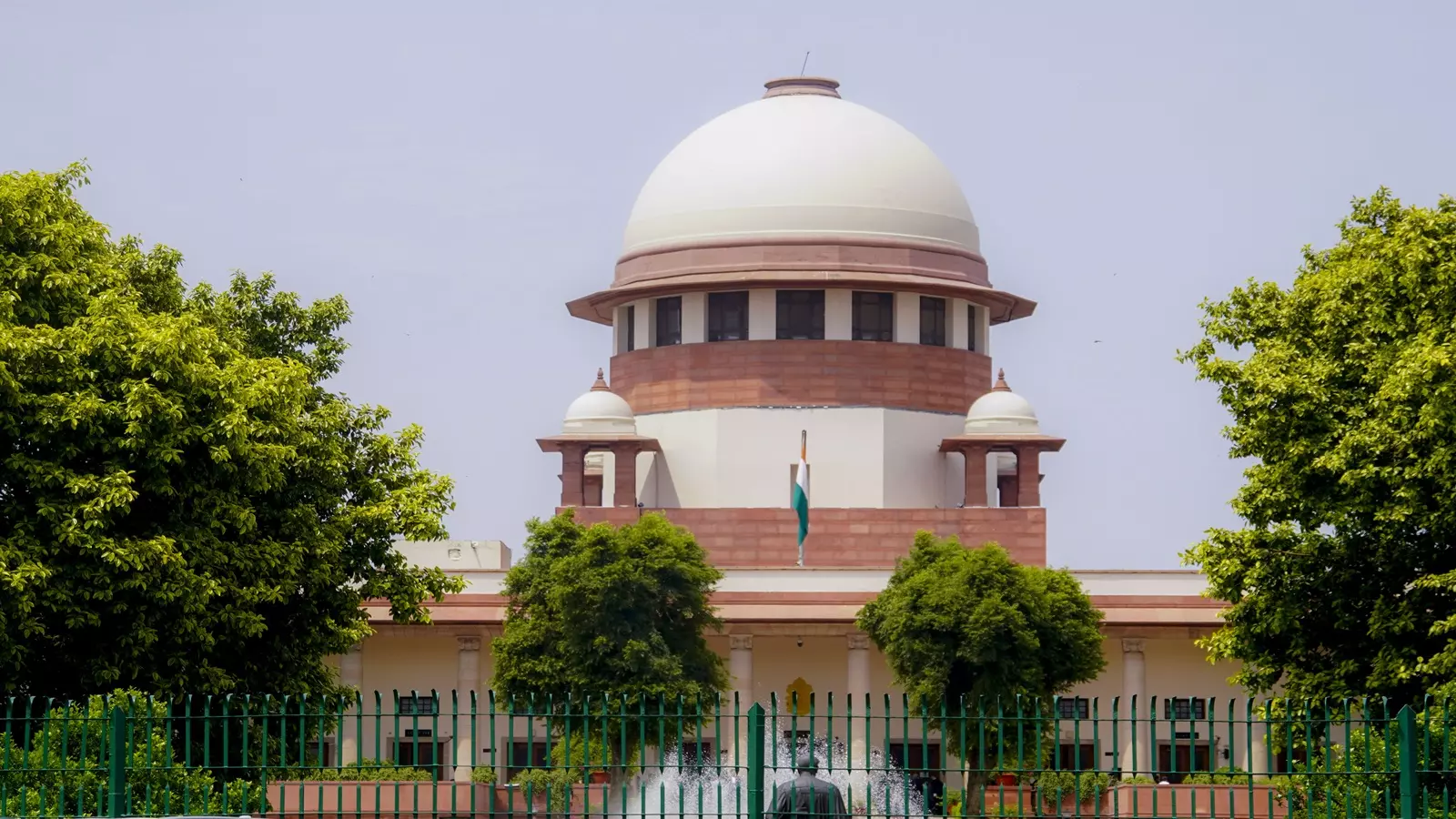
The nine-judge Supreme Court bench, which reviewed the 1978 seven-judge apex court bench’s definition of industry, may not have produced a single doctrinal answer to the referred matter, but it arrived at the most practical conclusion: to leave the definition, as determined by the 48-year-old triple test formulation, unchanged.
This judgment ends confusion that began in 2005, when the Supreme Court’s five-judge bench referred the current case to a larger bench. All pending cases instituted under the now-repealed Industrial Disputes Act, 1947, will now continue to be decided under it, and as per the “triple test” laid down in the 1978 Bangalore Water Supply judgment.
For four decades until the Industrial Relations Code, 2020 was enacted, courts, employers and workers relied on the triple test to determine whether an establishment constituted an industry. It covers all systematic activity organised through cooperation between employers and employees for producing or distributing goods or services intended to satisfy human wants.
Thousands of cases were filed across India based on this triple definition, framed by none other than the top court of the land. Lakhs of people would get affected if the Supreme Court suddenly decides to change the definition retrospectively.
Any change in policy applied retrospectively either by law or court verdict does not bode well for the country’s long-term development. Policy stability is one of the important requirements an investor looks for before taking an investment decision. However, if the law can be changed retrospectively in a country, investors consider investment in that country as a risky proposition.
Any decision to redefine the industry would have led to the reassessment of cases filed under the old law and could have bogged down courts burdening an already strained judicial infrastructure. Now that the issue is settled, the judiciary must expeditiously clear old cases to consign the triple test to legal history.