Starting his political career in 1911 as a member of the Salem municipality, he became a follower of Mahatma Gandhi and joined the Independence movement
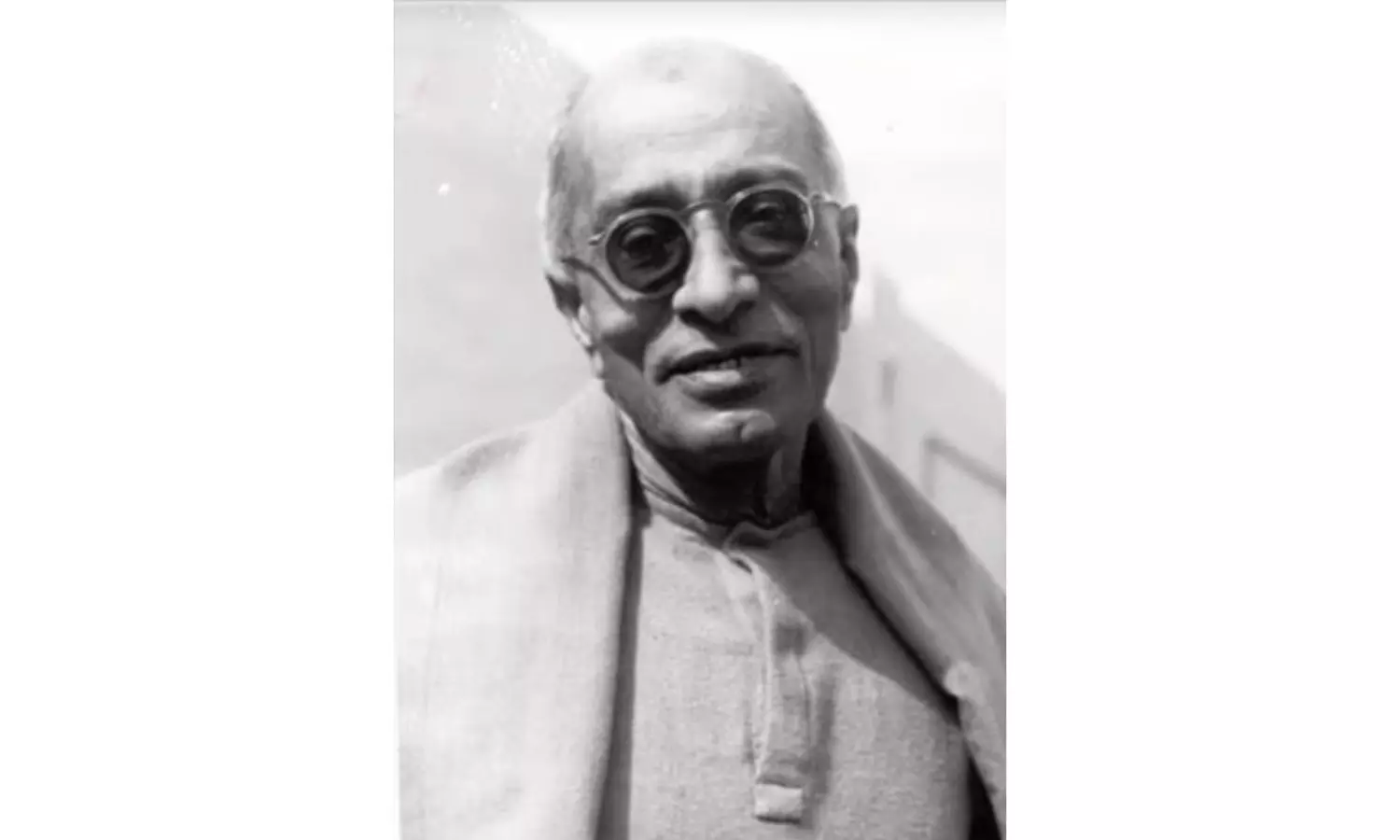
By unveiling the bust of Chakravarti Rajagopalachari, popularly known as Rajaji, in the same alcove where the statue of British architect Edwin Lutyens stood in the Rashtrapati Bhavan, the Union government has revived the memory of Rajaji, paving the way for the younger generation to know more about the genius and celebrate his contributions to the nation. Though Rajaji was among the few national leaders par excellence from southern India and one who made it to the top echelons as the only Indian governor general of the country, he is more of a forgotten hero.
Starting his political career in 1911 as a member of the Salem municipality, he became a follower of Mahatma Gandhi and joined the Independence movement. Among the plethora of reforms that he introduced in the Madras presidency, to which he became the premier, was prohibition. More importantly, he issued the Temple Entry Authorisation Indemnity Act of 1939 that removed restrictions on dalits and the backward class Shanars entering temples.
His tenure as Prime Minister of Madras, acknowledged by political historians as the best administered province in British India, had a flipside, too. The compulsory introduction of Hindi in educational institutions sparked the anti-Hindi protests the embers of which have still not been extinguished fully and the Modified Scheme of Elementary Education, 1953, under which class hours were reduced to enable boys to learn family crafts from parents and girls to familiarise themselves with housekeeping chores from mothers drew severe criticism, so did his closing down of 6,000 schools due to financial constraints. Though it was Periyar E.V. Ramasamy who spearheaded the anti-Hindi protests then, Rajaji remained a close friend of him till the end.
Rajaji is also credited with a cause for the victory of the DMK in the 1967 Assembly elections as he had struck a pact with DMK’s C.N. Annadurai and even campaigned for the party. He also gave the slogan “English ever, Hindi never” to those opposed to Hindi imposition, his earlier initiatives to bring in Hindi in schools notwithstanding. That was because Rajaji was a leader who always had his fingers on the pulse of the people, which the modern generation should know.