It’s not that Mr Modi is expressing his concerns on the infiltration issue and its impact on the local demography for the first time. His single most important campaign theme in Jharkhand earlier this year was also the threat posed to the local demography by the presence of infiltrators
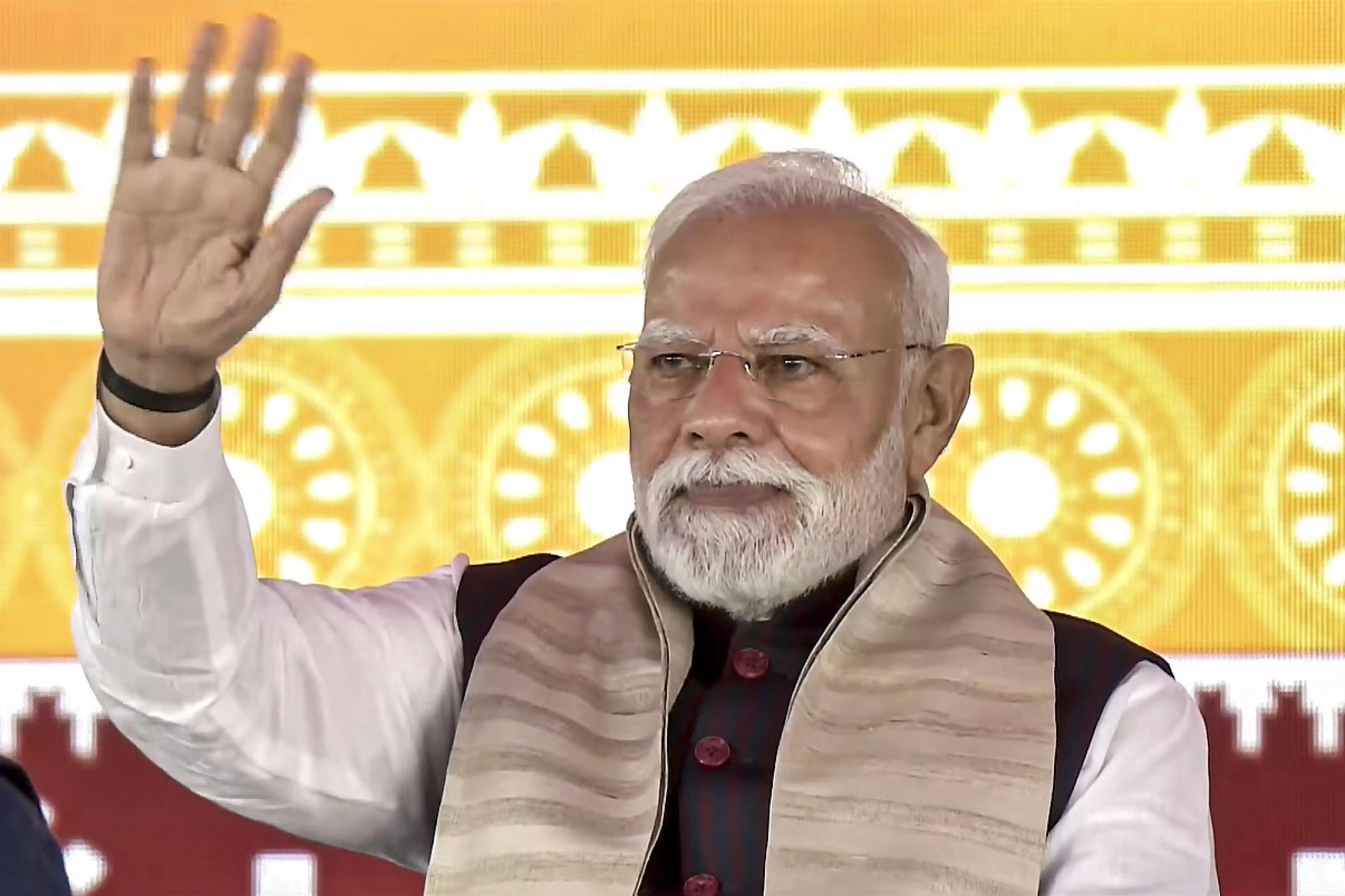
Prime Minister Narendra Modi has set the tone for the BJP’s election campaign focusing on the question of infiltration and championing the special intensive revision now underway in the state along with several other states and Union territories at the behest of the Election Commission. Mr Modi also trained his guns on the governance there, hoping that a repeat of the Bihar election campaign theme of “jungle raj” pays rich dividends in West Bengal as well.
It’s not that Mr Modi is expressing his concerns on the infiltration issue and its impact on the local demography for the first time. His single most important campaign theme in Jharkhand earlier this year was also the threat posed to the local demography by the presence of infiltrators. Though the plan did not work electorally and the border state predominantly inhabited by tribal people did not respond enthusiastically to his description of an impending danger, the indefatigable Prime Minister will now carry the theme to the next destination.
The BJP has placed the state high on the party’s agenda and has been making some inroads there as well. As the party has not been able to sustain its gains there which do not tally with the party’s performance in the other states, it follows that it will play every game in the book to win the state which also sends 16 members to the Rajya Sabha.
The Prime Minister would interpret the Trinamul Congress‘ objections to SIR as its complicity in facilitating infiltration and harbouring them to make electoral gains. Chief Minister Mamata Banerjee has been steadfast in her objections to the SIR exercise saying it is aimed at disenfranchising a large number of people, especially the minorities and the poor. The first list of deleted names from the state indicates that a large number of people from the Matua community are impacted by the process. It has been pointed out that several of them are unable to trace their names or those of their parents to the SIR conducted in 2002.
Infiltration is in fact an issue that’s largely handled by the Union government as its agencies man the border. None would have a case that infiltrators should have voting rights. But it is unconstitutional to use SIR as a tool to identify “non-citizens” and disenfranchise them. The Prime Minister talking incessantly about its potential to clean up the voter list of infiltrators may persuade a section of people to see the SIR as a means to introduce the National Register of Citizens by other means, triggering panic and more suicides. More alarmingly, it may encourage overzealous officials to come down harder on minorities. The government must make a clean breast of its intentions; pointing to infiltration hardly is a substitute for transparency.
The reference to jungle raj in Bengal by Mr Modi, too, is disputable. The theme of poor law and order indeed had takers in Bihar but whether it will get the same welcome in West Bengal is a question. Oddly enough, the Trinamul Congress, too, has been harping on the same theme alleging that the Left Front rule in the state had dismantled the very idea of rule of law. It remains to be seen as to whose allegation convinces the voter on D-Day.