West Asia conflict and Hormuz disruption push energy costs, strain households
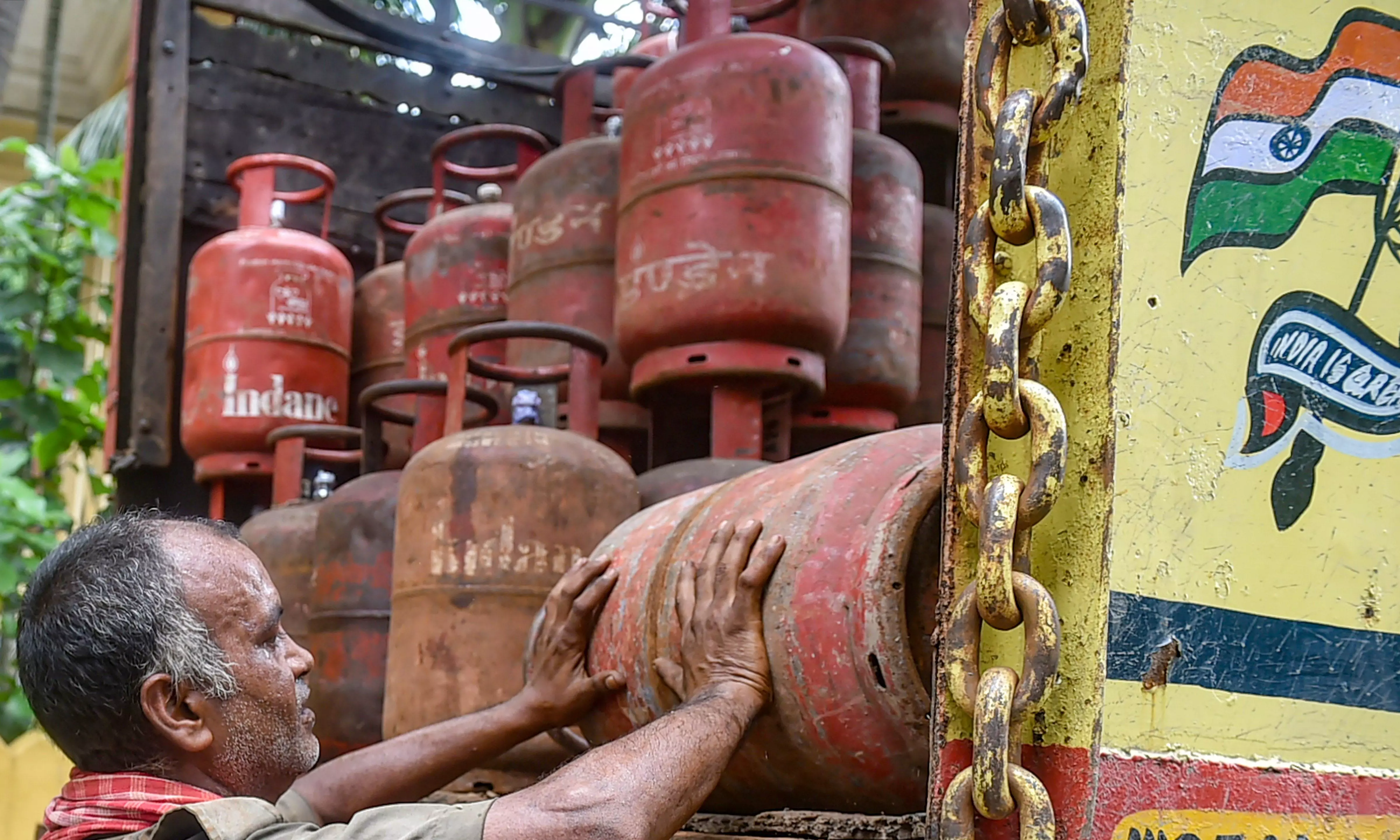
The decision of government-owned oil marketing companies to increase the price of domestic LPG cylinders is a stark reminder of how deeply India’s energy economy is tied to geopolitical turbulence beyond its borders. The hike reflects the immediate impact of global energy shocks from the US-Iran war on household budgets.
The widening of conflict in West Asia has disrupted oil tanker movement through the Strait of Hormuz, one of the world’s most critical energy corridors. Nearly half of the country’s crude oil imports and about 40 per cent of its LNG supplies transit through this narrow passage. Experts anticipate crude oil prices crossing $100 a barrel if the war in West Asia continues for an extended period.
At the macro level, crude oil has been the cause of almost every financial crisis that India has witnessed. After the fourth Arab-Israeli War in 1973, Opec increased crude oil prices by four times. It led to over 25 per cent inflation in India in 1974-75 and a substantial increase in current account deficit, forcing the country to seek an IMF loan to stay afloat. Following the 1979 Iranian revolution, oil prices doubled, which forced India to accept the IMF’s programme for economic liberalisation.
The 1990 Gulf War increased oil prices and lowered foreign remittances, leading to the Balance of Payment crisis in the country and subsequent economic liberalisation. In 2013, India entered the Fragile Five due to higher crude oil prices of $100 a barrel and US Taper Tantrums.
Yet, the government has not learnt its lesson. Despite having a war chest of $600 billion, India continues to be vulnerable to oil shocks. If the gas supply stops now, it will have a greater impact on households than in the past. The government, therefore, should encourage people to shed their dependence on fossil fuels for transport and cooking. Unless India does this, it cannot emerge as a great power.