The Regulations stem from an earlier Supreme Court directive to create a “very strong and robust mechanism” to tackle real incidents of discrimination that have had fatal consequences
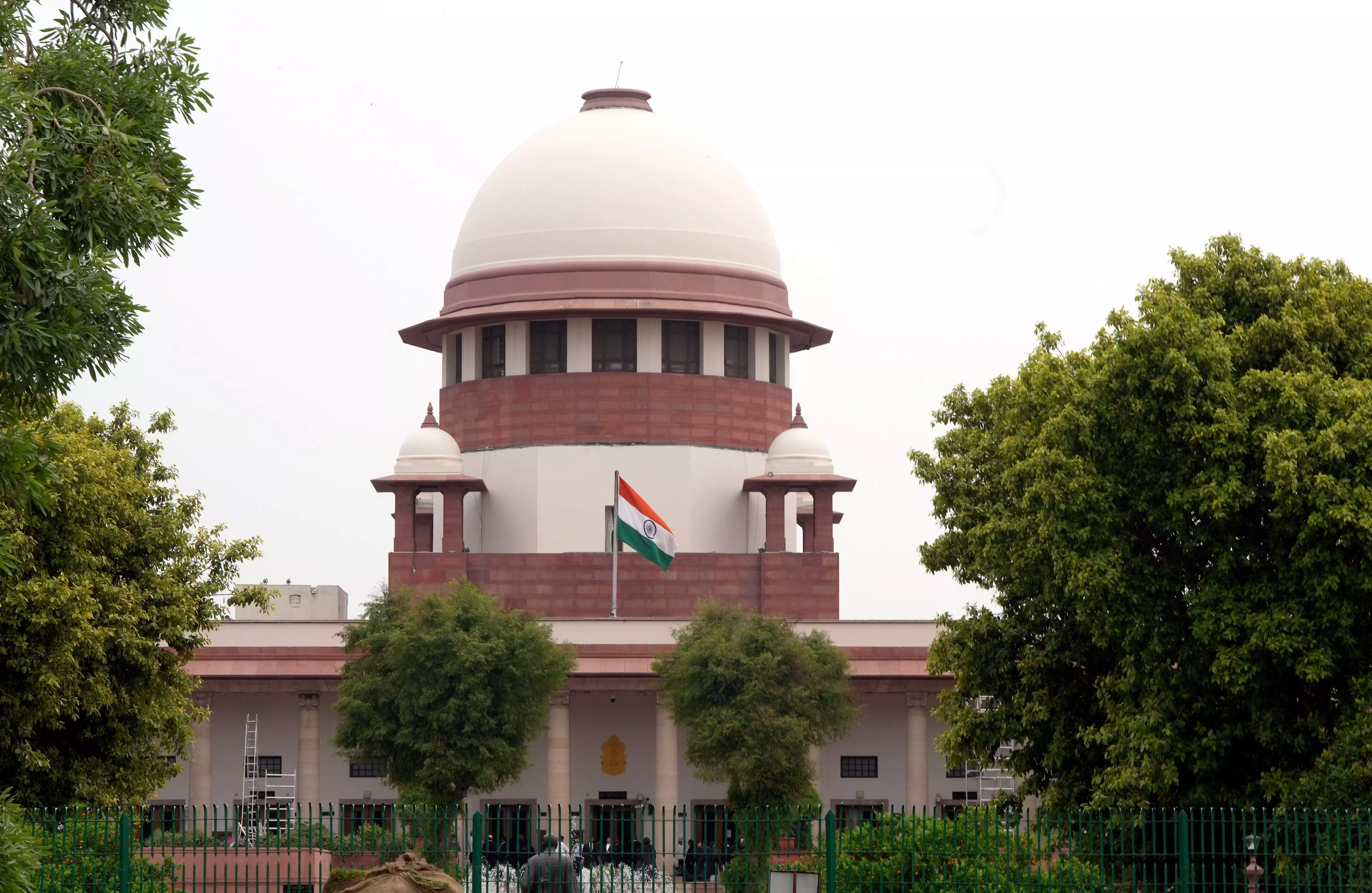
The Supreme Court order staying the implementation of the University Grants Commission (Promotion of Equity in Higher Education Institutions) Regulations, 2026, holding its language “vague” and its sections capable of “being misused”, has come as a serious setback to attempts to right some of the grievous wrongs committed on campuses in the name of caste. The Union government must act expeditiously, addressing the concerns raised by the apex court with a view to making the Regulations a fool-proof document that all right-thinking Indians can welcome.
The court has observed that the Regulations, which sought to address discrimination faced by students from the Scheduled Castes, Scheduled Tribes and Other Backward Classes on campuses, “will divide society and will lead to many very dangerous impacts”. It has also pointed out that the Regulations lack safeguards against potential misuse, as has been the case with several other such laws.
The order has come even as some parts of the country have witnessed protests against the Regulations, in a re-run of events that unfolded after the Union government decided to implement the Mandal Commission recommendations in 1990, providing reservations in government jobs and educational institutions for Other Backward Classes. The episode underscores the reality that even after 75 years as a democratic republic, India has not extinguished the flames of casteism, and efforts to do so continue to face serious challenges.
The Regulations stem from an earlier Supreme Court directive to create a “very strong and robust mechanism” to tackle real incidents of discrimination that have had fatal consequences. The apex court had suggested such a mechanism while hearing a public interest litigation filed by the mothers of Rohith Vemula and Payal Tadvi, two students who died by suicide after being unable to endure caste-based discrimination on their campuses.
Notified on January 13, the Regulations require all higher education institutions in India to constitute Equity Committees to eradicate discrimination against all stakeholders through appropriate preventive and protective measures. These committees are to be headed by institutional heads, include representation from various stakeholders — including communities the Regulations seek to protect — and are vested with powers to enforce their decisions. Failure to comply would invite punitive action from the UGC.
Two provisions in the Regulations have triggered protests. Regulation 3(c) defines “caste-based discrimination” as discrimination faced only by members of the SC/ST/OBC communities, excluding general category stakeholders, who protesters argue can also face caste-linked bias. Regulation 3(1)(f) defines “discrimination” as unfair, differential or biased treatment against any stakeholder on grounds such as religion, race, caste, gender, place of birth or disability, but does not include higher castes. Protesters have also contended that the representation accorded to SC/ST/OBC communities in the Equity Committees is itself discriminatory.
While the broader societal concerns flagged by the apex court may fall within the political domain, its suggestion to constitute a committee of experts to review the Regulations and introduce safeguards against misuse is both workable and necessary. This is a step the Union government must take at the earliest. Equity safeguards, as Tamil Nadu Chief Minister M.K. Stalin has said, are not a matter of choice but an unavoidable necessity.