Dhaka asking for Sheikh Hasina’s extradition — as well as that of her then home minister Asaduzzaman Khan Kamal — as she faces a death sentence for harsh action against protesting students and demonstrators can be put down to the compulsions Bangladesh faces in this regard
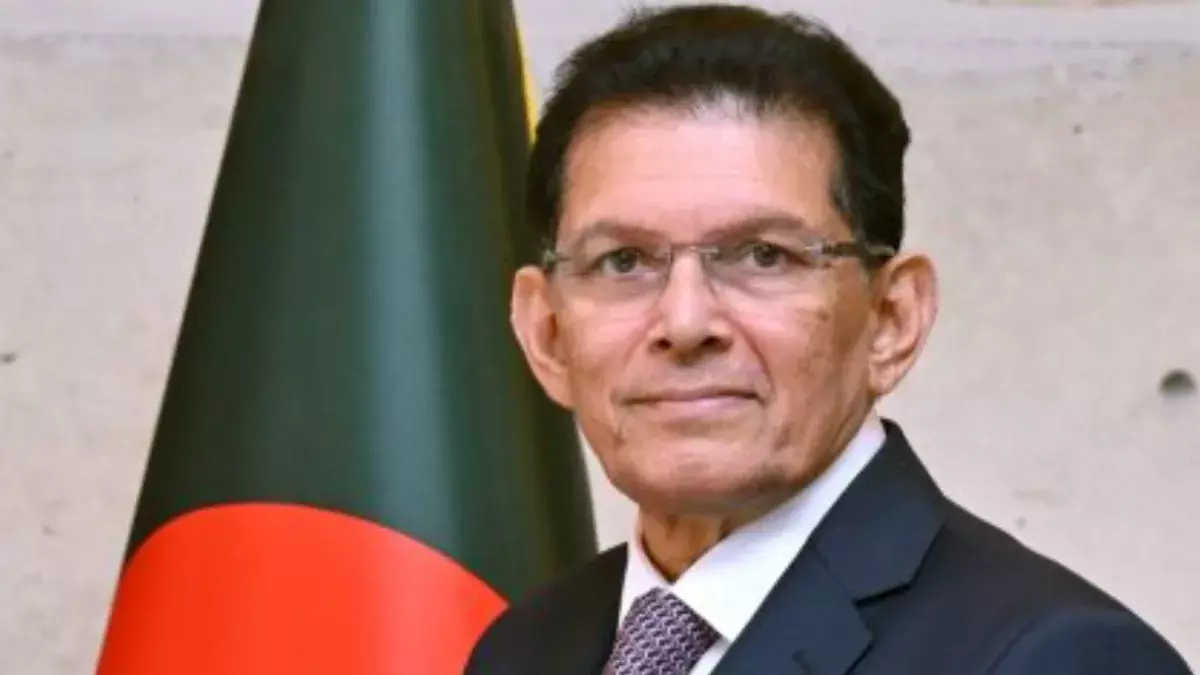
It is a welcome development that ties with Bangladesh are being rapidly reset since the government of Tarique Rahman took over from an interim administration that was totally inimical to regional cooperation in a mutually beneficial relationship. The resumption of the process of issuing visas by India, to be fast tracked for Bangladeshis visiting for business or medical reasons, is a good step in the direction of mending ties that had broken with the fall of Sheikh Hasina’s regime in August 2024.
The ties were being reset even before the Bangladeshi foreign minister Khalilur Rahman came on his three-day visit to New Delhi with Dhaka taking part in the current ‘IOS SAGAR’ navy exercise signalling cooperation in maritime and energy security.
India had made a good gesture in looking after Bangladesh’s emergency fuel needs by exporting diesel at a time when the passage of crude has been hit by the Iran war and all countries in the region are suffering from supply chain disruptions as well as rising prices. India will also be sending 40,000 tons of diesel this month to Bangladesh.
Dhaka asking for Sheikh Hasina’s extradition — as well as that of her then home minister Asaduzzaman Khan Kamal — as she faces a death sentence for harsh action against protesting students and demonstrators can be put down to the compulsions Bangladesh faces in this regard. The question of India sending away a former head of a country to face the gallows does not arise at all and yet it was Dhaka’s duty to ask and for India to simply listen to the request.
The visiting foreign minister may have conveyed that the new government that took office in February will pursue a “Bangladesh First” policy but that should not preclude the nation from enhancing trust in India and seek to benefit from the geographical nearness that makes good sense for much of the trade between the two nations.
Going back to the dark days of Dhaka’s confrontational animus towards India under its former chief adviser Muhammad Yunus, the legality of whose appointment India had never accepted, does not arise now that a stable BNP government is in place. The flexibility Bangladesh has chosen to display in promoting better ties with India while balancing its relations with China and Pakistan is a good enough sign now for India to look at positive rebuilding and, perhaps, selling wheat to Bangladesh whose agriculture production may also have been hit by the West Asia crisis.