Forex curbs may steady markets, but inflation and fiscal risks remain.
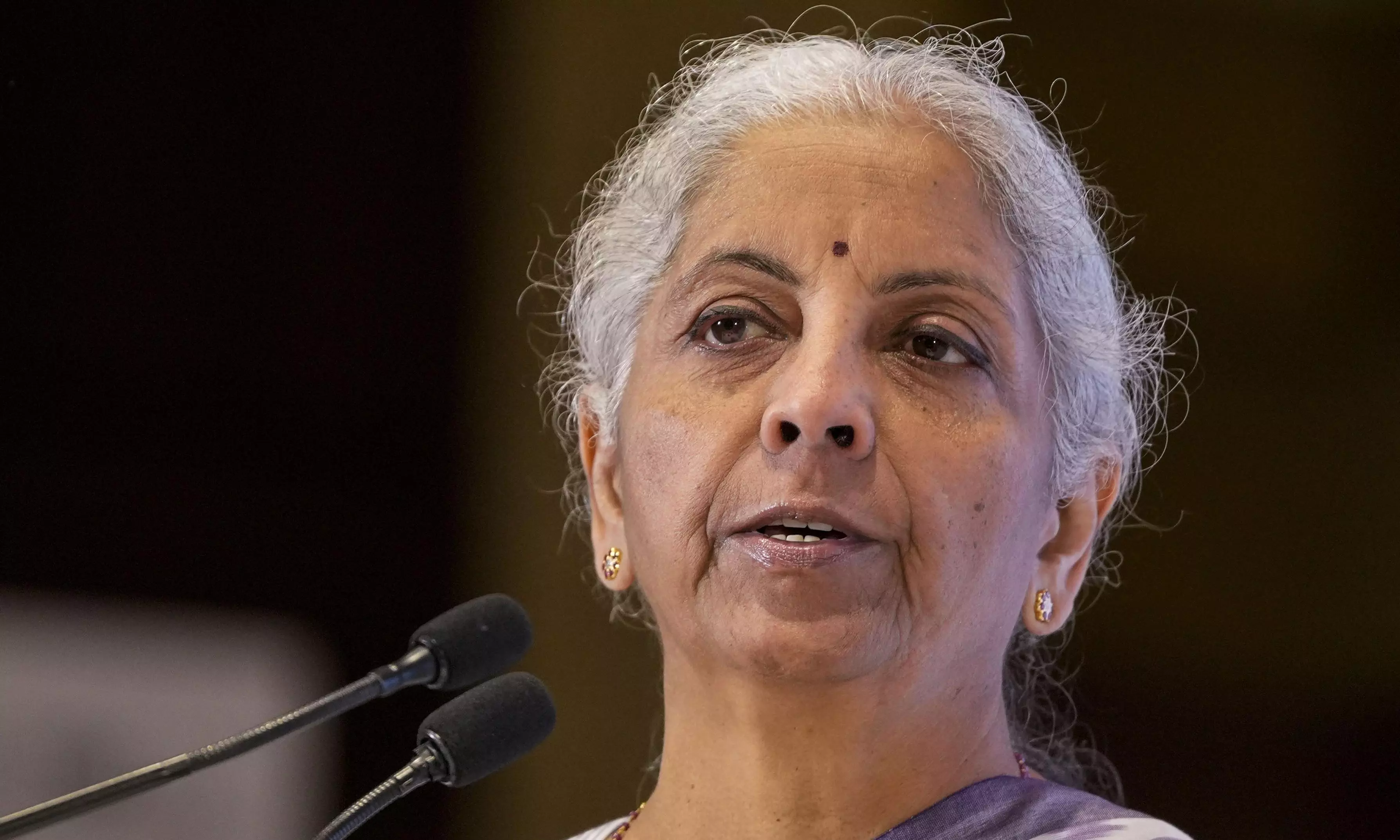
Finance Minister Nirmala Sitharaman and Reserve Bank of India governor Sanjay Malhotra, the heads of India’s financial and monetary establishments, have asserted that the Central bank will support the rupee to prevent excessive volatility and speculative activity in money markets.
While Mr Malhotra said the Central bank does not target any specific price level or band for the rupee, Ms Sitharaman said the rupee has depreciated “very significantly” over the past year and a half because of global uncertainties and the country’s macroeconomic fundamentals, including forex reserves, are strong.
The rupee is the second worst-performing currency among major Asian economies, with 2.8 per cent depreciation since April 1, 2026. Indonesia’s rupiah is the worst currency in Asia, with a comparative decline of six per cent in the same period.
The RBI’s measures, which have taken effect on October 12, have been successfully helping the rupee to stabilise. The special dollar window for public sector oil marketing companies and increasing cost of speculation in currency markets are sensible responses, which brought order into the money markets.
Tighter documentation requirements for derivatives, restrictions on rebooking cancelled contracts and the new reserve requirement seek to restrain transactions that amplify pressure on the rupee. These measures can restore discipline when expectations become overwhelmingly one-sided.
A market gripped by expectations of uninterrupted depreciation will adversely affect not only businesses but also the overall economy. Nevertheless, the RBI should also ensure that businesses protecting themselves against currency losses are not treated as speculators merely because they fear further depreciation.
Having controlled the demand side of the forex trade, the RBI faces a greater challenge in the form of rising inflation. Government data puts September’s wholesale inflation at 11.39 per cent, the highest since September 2022. The increase was mainly driven by rising prices of food, manufactured items, and fuel and power.
The higher wholesale inflation signals rising pressure across production costs. Though higher wholesale prices do not translate immediately into consumer inflation, a sustained rise in WPI will make the inflation outlook more difficult.
Theoretically, higher inflation will mount pressure on the rupee; a weaker rupee leads to outbound flight of portfolio investments, sparking a vicious cycle. While the interest rate could be used to contain inflation expectations and support the attractiveness of rupee assets, it does not offer a long-term solution. Excessive reliance on interest rates would impose additional costs on investment and consumption without resolving the original supply shock.
The government, therefore, must play a bigger role in complementing the RBI’s efforts through credible fiscal management, measures to ease food supply constraints and careful management of energy costs. Durable investment inflows matter more than repeated emergency mobilisation of foreign currency.
Before he became the Prime Minister, Narendra Modi had famously said there is business for the government to be in business and coined the slogan “minimum government and maximum governance”. It is high time his government puts those slogans into practice to attract long-term foreign investors into the country, which will stabilise the economy and also boost employment.