The biggest pressure is coming from abroad. The US’s 10-year Treasury yield recently touched 5.34 per cent, its highest since 2002. Persistent inflation, expectations of tighter monetary policy and concerns over swelling government debt are forcing investors to demand higher returns on US government bonds
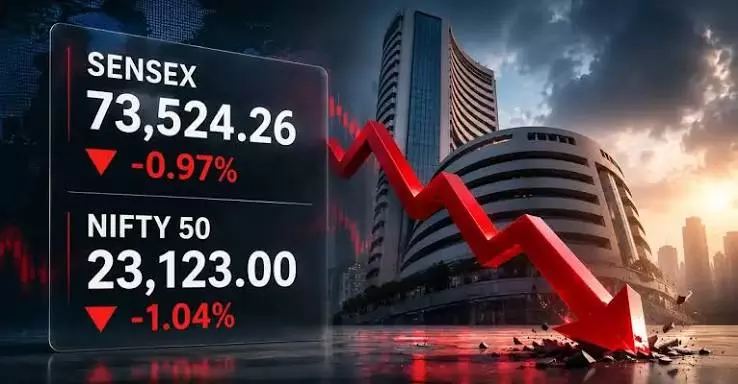
Indian stock markets have acquired an unenviable distinction this week with the Sensex and Nifty falling for eight consecutive weeks — the longest weekly losing streak in 25 years, surpassing the seven-week rout witnessed at the beginning of the Covid pandemic.
The Nifty has lost 8.7 per cent and the Sensex 8.4 per cent during this period. Though the decline is still in single digitals and not the kind of crash seen during earlier crises, the persistent fall points to a fundamental change in the investment environment caused by both global and domestic factors.
The biggest pressure is coming from abroad. The US’s 10-year Treasury yield recently touched 5.34 per cent, its highest since 2002. Persistent inflation, expectations of tighter monetary policy and concerns over swelling government debt are forcing investors to demand higher returns on US government bonds.
When supposedly risk-free US government debt offers such returns, emerging-market equities must promise considerably more to attract global capital. Due to higher US bond yields, global investors prefer them over stocks of the emerging markets. Other global factors affecting the Indian economy include higher crude oil prices, protectionist economic policies of major economies, and geopolitical uncertainties.
The Indian economy too is experiencing pain points. A weak monsoon due to the El Niňo effect has raised concerns about rural consumption and food inflation, while jobless growth and rising prices are eating into the spending power of the middle class, which was the backbone of the Indian economy. India’s dependence on foreign goods such as crude oil, fertilisers, capital goods among others increases its reliance on the US dollar, adversely affecting the rupee.
So when will bulls stage a comeback? Though the Indian economy may not collapse due to these factors, the return of achche din (good days) could be incredibly difficult as it will not be dependent on foreign capital alone. For which, India needs to restructure its economy to become agile, competitive, innovative and less dependent on foreign countries.
