If the SIR has cleaned up the rolls of duplicate and ineligible entries, it may be said to have served its purpose to an extent
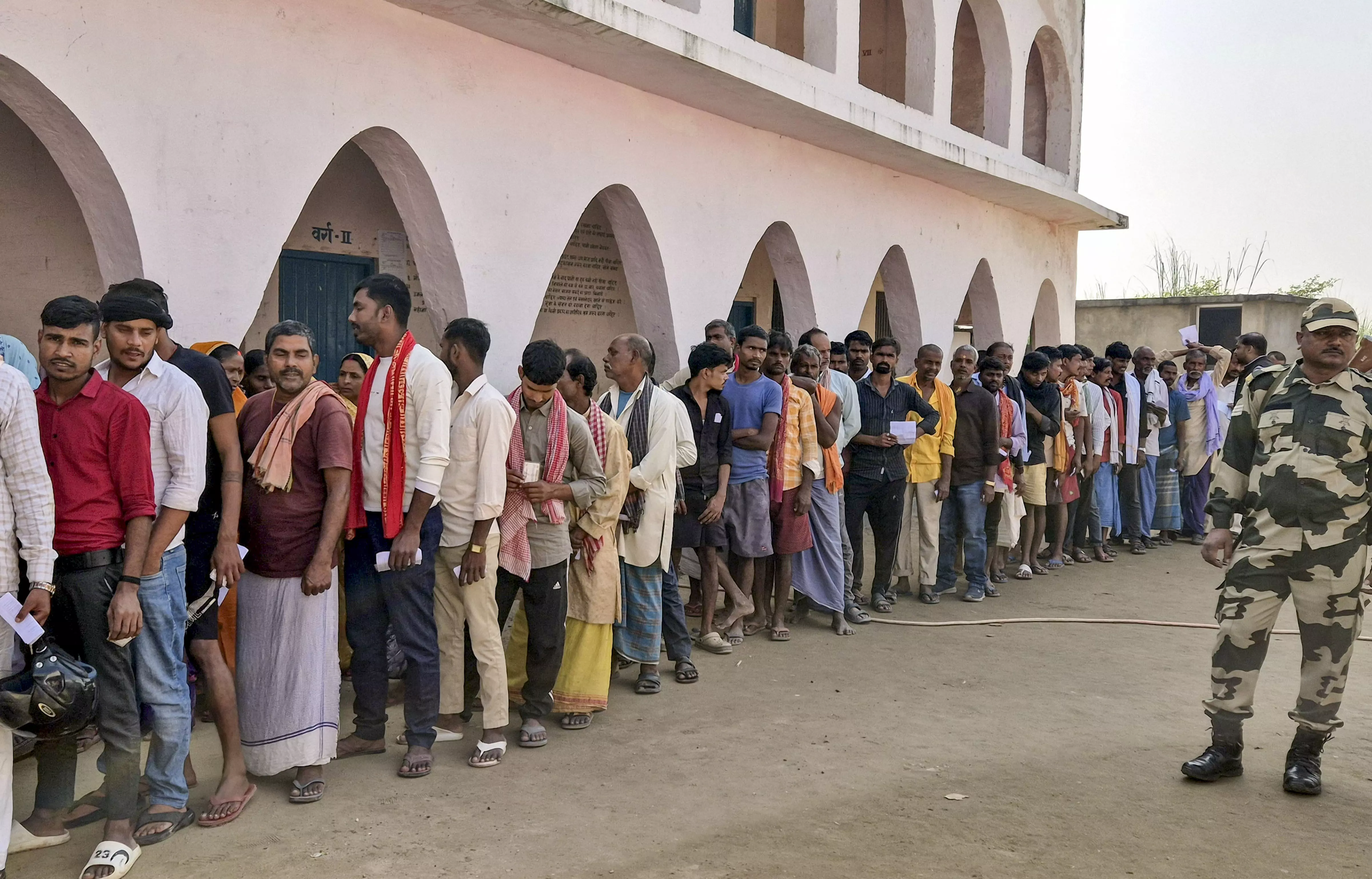
The turnout in the first phase of the Bihar assembly polls for 121 seats of 243 seats, at around 64.66 per cent, was the highest in any polls in the state since 2010. Close to 10 per cent more voters turned up at poll booths in these constituencies than in the Lok Sabha polls held last year.
Amazing as the statistics are, what makes them more intriguing is that the percentages are up substantially since the Special Intensive Revision exercise deleted around 15.3 lakh voters, around four per cent, in those 121 seats. Given the fact that the lists of those who voted or did not vote are never released, it is hard to find out how this greater awareness of the need to vote has come about.
Controversial as the SIR exercise has been to become the political hot potato in the wrangling between the ruling dispensation and the Opposition, the irony is hard to escape if it can be concluded that the poll rolls cleanup exercise raised the consciousness of the voters in a big state that is considered backward when measured against various development parameters.
If the SIR has cleaned up the rolls of duplicate and ineligible entries, it may be said to have served its purpose to an extent. Factors like the fear of name deletion if they did not vote this time may also have played a role in getting more voters to the booths though greater awareness from social media messaging, welfare schemes and women’s empowerment may have helped bring about this record.
The other question pertinent to Bihar is whether sections of migrant workers who were still on the rolls after SIR decided not to travel back home to vote despite the monetary inducements offered in cash for votes. The bigger national question, of course, is about where the migrant worker is to vote — in the state in which his place of work is situated or in his/her state of origin?
The issue of migrant workers tilting the demographics of constituencies outside their home state is another tricky one that crops up. There might be a solution if ever inter-state electronic voting is allowed, but to suggest that would be to poke another hornet’s nest in an already deeply politically polarised issue in India’s election process, which is controlled by a constitutional authority that has not always been the objective ‘neutral umpire’ that it professes to be.
The other leading point to arise from the first phase is the matter of women outnumbering the men at the ballot box. The reasons for this are crystal clear. Welfare schemes aimed specifically at women, like Rs 10,000 payments made through the chief minister’s women’s employment scheme to around 75 lakh women across the state, have played their role in getting them to vote much as the promise of government jobs from both alliances may have prompted members of the Gen Z to turn up.
Regular theories like larger turnouts suggesting greater play of the anti-incumbency factor may not be applicable as newer voters seem to have exercised their right. This reflects as much the hyperbolic media, traditional and social, coverage of the stakes involved in political power as well as Bihar’s shifting social and political landscape as a state apparently left behind for some time wishing to catch up.
Regardless of which alliance wins and how the third player in the fray, Jan Suraaj party led by Prashant Kishor, influences the verdict, a higher turnout of eligible voters is by itself a win for democracy.