Robust GDP growth masks uneven sectoral performance and highlights the need for more labour-intensive jobs.
The Indian economy has begun the financial year 2026-27 on an encouraging note by posting a 7.8 per cent growth rate in the April-June quarter. The economic expansion exceeded the Reserve Bank of India’s projection of seven per cent and the estimates of most analysts, despite geopolitical tensions, volatile energy prices and uncertain global trade.
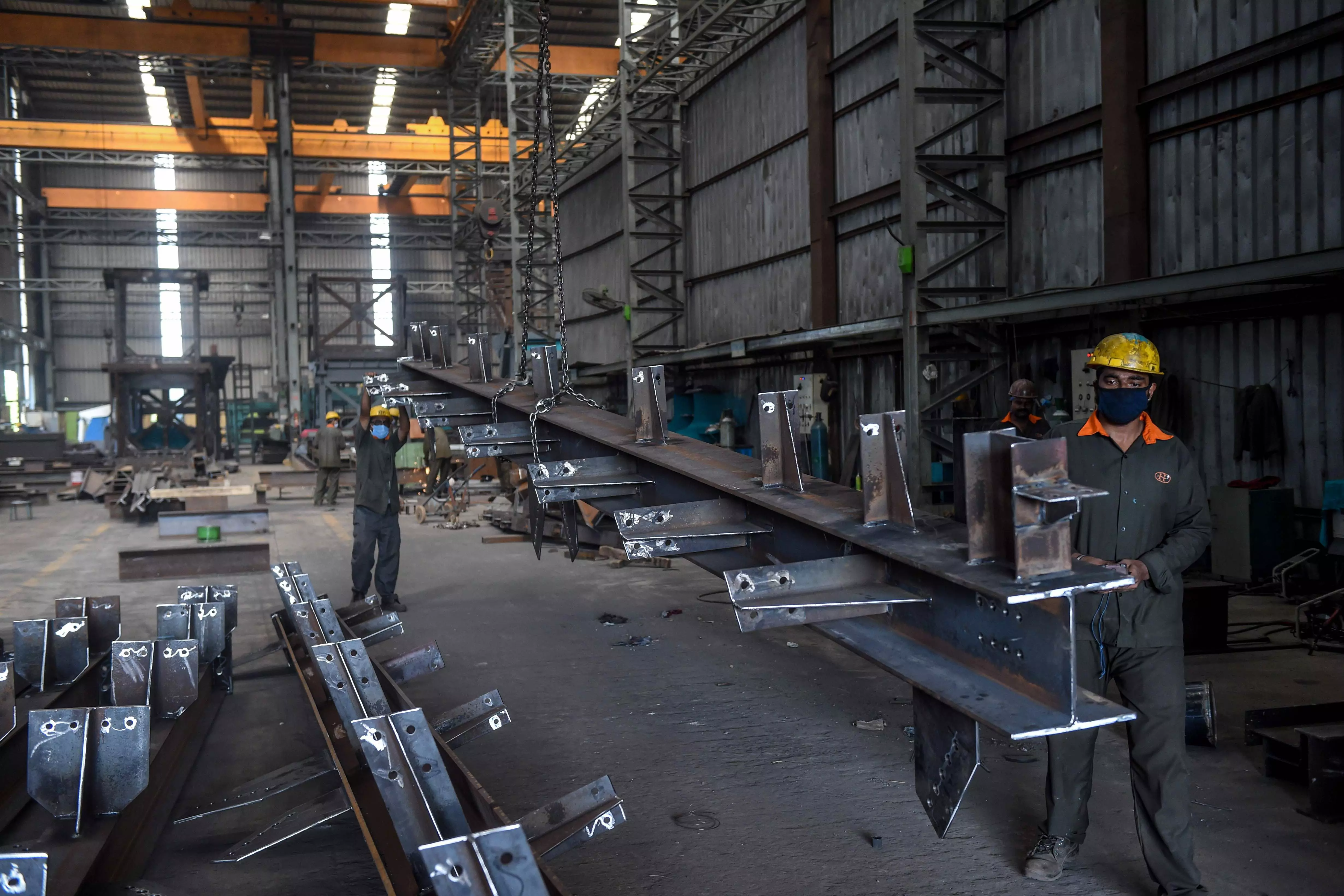
The economic growth was particularly reassuring for policymakers as it was aided by sectors such as manufacturing, real estate, information technology and BFSI. Financial, real estate, information technology and professional services topped the list with 12.1 per cent growth, followed by the manufacturing sector with 9.2 per cent, electricity with 8.9 per cent growth, trade, hotels, transport with 8.5 per cent and construction at 7.7 per cent.
Gross fixed capital formation, which indicates investment activity, rose by 11.9 per cent. Private consumption rose 7.1 per cent, which went up 30 basis points compared to last year, and exports grew 12 per cent. Real gross value added grew even faster than GDP, at 8.2 per cent.
In contrast, agriculture and allied activities, which employ a large section of the population, grew merely by 3.6 per cent, and the mining sector shrank by 2.4 per cent, underlining the danger of different parts of the economy moving at different speeds.
Economic growth is an important metric, but it cannot become an end in itself. While GDP measures the value of goods and services produced in a country, it does not reveal how the resulting income is distributed, or how the growth helped people.
If growth increases corporate earnings and government revenue without improving household incomes, it will eventually encounter social as well as economic limits. The government must, therefore, focus not merely on economic growth, but also on boosting labour-intensive sectors, which can generate jobs for people.