Govt limits domestic impact, but global crude surge may drive wider fuel price rise
The decision of oil marketing companies (OMCs) to increase aviation turbine fuel (ATF) prices is something waiting to come after global crude oil stubbornly remained above $100 a barrel in the wake of the US-Israel war against Iran.
State-run Indian Oil Corporation initially doubled ATF prices in Delhi to Rs 2.07 lakh per kilolitre for April, only to roll them back within hours to Rs 1.04 lakh/kl following government intervention. By limiting the increase to roughly 25 per cent for domestic carriers, the government has effectively absorbed — or deferred — the remaining burden within the public sector OMCs. Foreign airlines, however, will pay a full price of ATF without any relief.
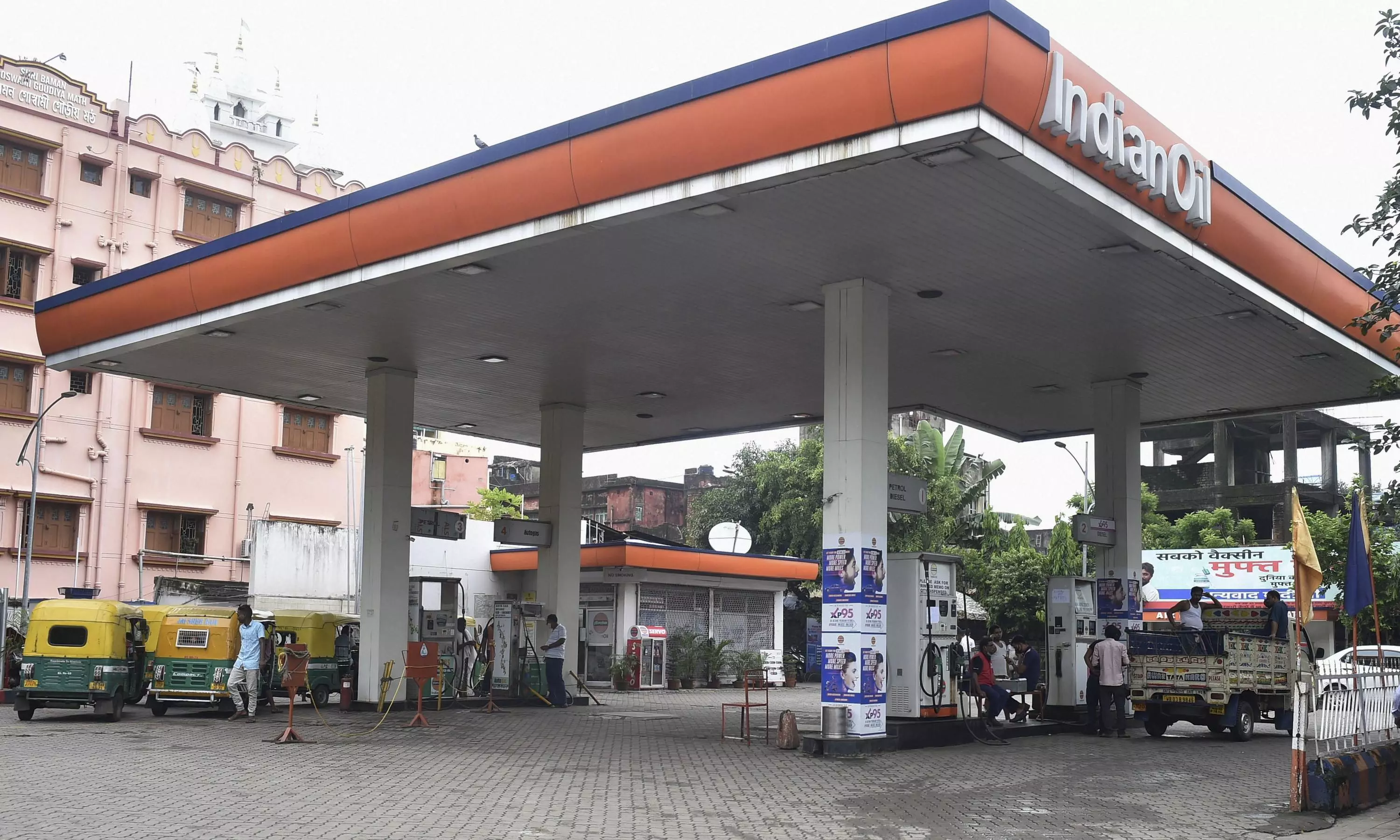
Similarly, OMCs have increased the prices of commercial LPG, premium petrol and diesel. The prices for 5-kg mini cylinders have risen by Rs 51, and 19-kg commercial cylinders by Rs 218, premium petrol by Rs 11 a litre, and premium diesel by Rs 1.50 a litre.
The price hike in jet fuel will lead to a significant increase in airfare and may affect people, especially those planning to go on a holiday in the summer. Similarly, higher commercial LPG prices may affect the business of eateries. However, the magnitude of the global crude oil price is too heavy to be absorbed by either oil marketing companies or airlines or anyone else.
People, therefore, should be prepared for the inevitable — an increase in prices and the worst. For the last five years, the world has been reeling under various hostile acts, be it in kinetic or trade form. West Asia is one of India’s major trade partners, and its disastrous impact of this war on this region would adversely affect the country’s economic growth, especially through exports and remittances. If the West Asian oil producers decide to keep oil prices elevated to recoup war losses, India will have a difficult issue to deal with.
