Move after NSA detention highlights need for talks on Ladakh demands
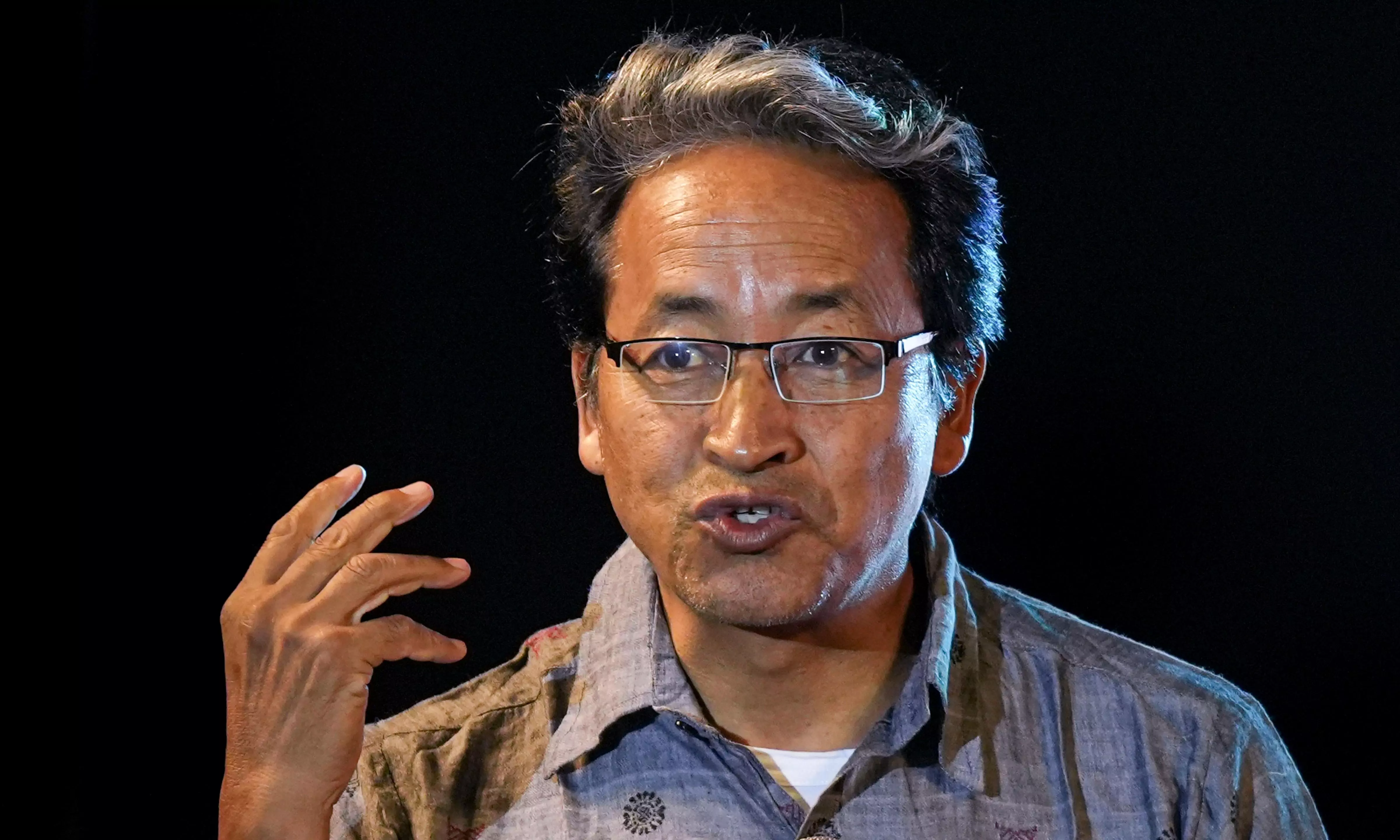
The Union government’s decision to release from jail climate activist in Ladakh, Sonam Wangchuk, six months after he was arrested under the draconian National Security Act to “facilitate dialogue” is a welcome move, and moreover, a welcome realisation on the part of the government about the folly of taking a confrontationist attitude towards legitimate demands of the people.
Mr Wangchuk was arrested on September 26 last year for leading protests demanding statehood for Ladakh and constitutional safeguards under the Sixth Schedule and for the protection of the fragile ecology of the region and the rights of indigenous people living there.
While the government can be faulted for the abuse of the law and for the wrong perception of the role of “dialogue” and negotiation on contentious issues, what stands out before the Indian public is the singular inability of the Supreme Court of India to act in time to protect the fundamental rights of people, given that the petition against his detention has been pending before it ever since October 3, a week after his arrest.
The inaction on the part of the apex court becomes all the more poignant in that it was it was obligated to act in defence of the citizen under the Constitution. While Article 21 states that no person shall be deprived of his life or personal liberty except according to procedure established by law, Article 32 authorises the Supreme Court of India with the right and authority to enforce the fundamentals rights. It may be remembered that Dr B.R. Ambedkar described Article 32 the heart and soul of the Constitution, as it guarantees the citizen the right to move the Supreme Court directly for the enforcement of fundamental rights.
That the apex court is yet to decide the case of Mr Wangchuk’s incarceration even after the government realised its folly and chose to release the citizen reflects the institutional failure of the judiciary in performing the solemn responsibilities the Constitution has conferred on it. One can only hope that Fr Stan Swamy and Sonam Wangchuk are exceptions and not the rule; it is too short a time for one to forget the consternation of court when a school textbook mentioned about the challenges of the Indian judiciary.