Actor’s intense performances and social work leave an enduring legacy in Hindi and Marathi cinema
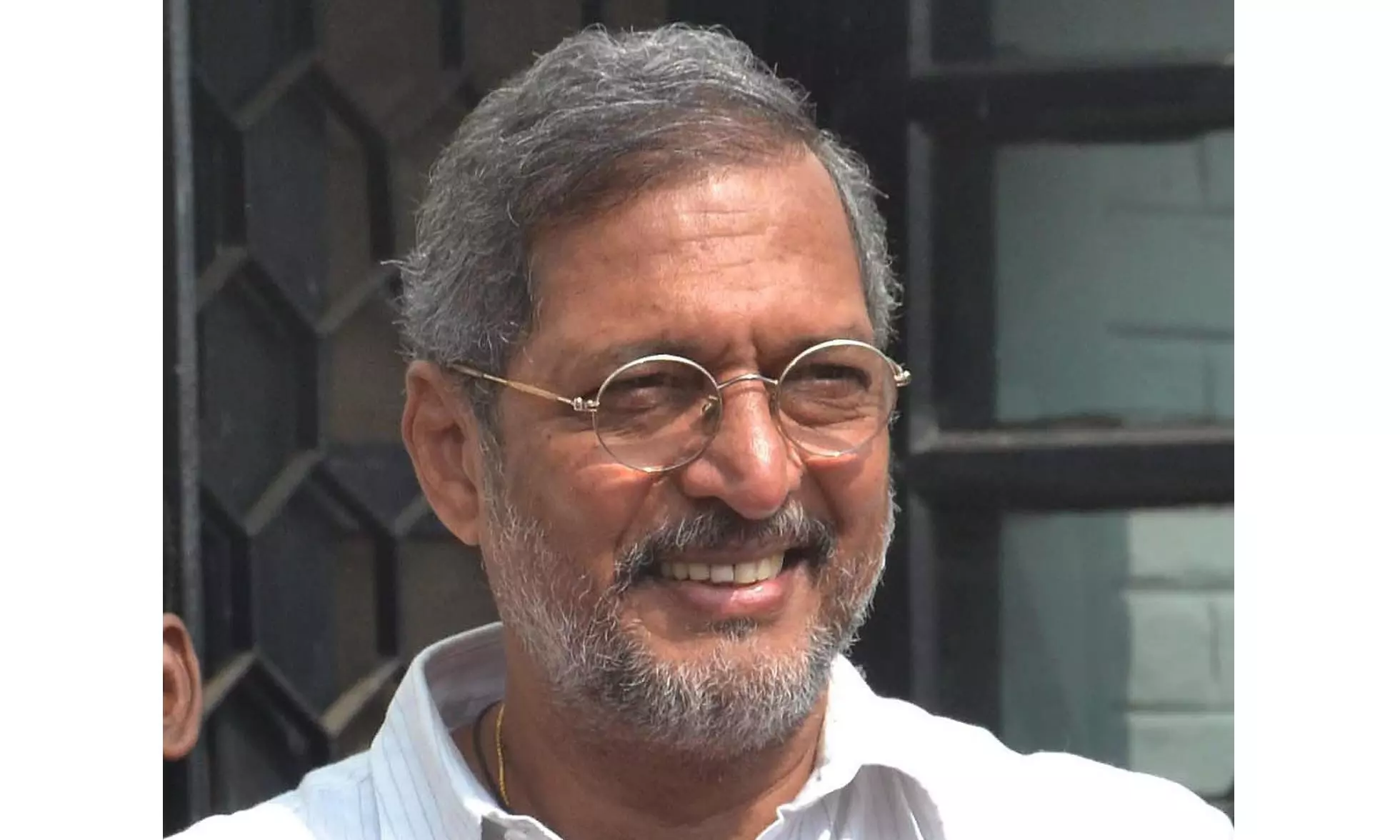
The sudden passing of Nana Patekar at the age of 75 leaves a void that no performer in Hindi or Marathi screen history can easily fill. In an industry often dominated by polished glamour and predictable heroism, Patekar was a trendsetter — he reminded Indian cinema that performance need not be glossy to be powerful.
Born Vishwanath Patekar and trained at the Sir J.J. Institute of Applied Art, he started as an actor in theatre, carried the discipline of the stage into cinema and treated performance as craft. His breakthrough performances in Ankush, Pratighaat and Vidhu Vinod Chopra’s Parinda disrupted traditional paradigms of screen performance. As Anna Seth in Parinda, he redefined the Indian cinematic villain — earning him his first National Film Award. He went on to win two more national awards and a Padma Shri.
Krantiveer, Prahaar: The Final Attack, Salaam Bombay!, Ab Tak Chhappan and Welcome revealed different facets of an artiste who resisted being confined to a particular kind of role. He could play rage without becoming theatrical, vulnerability without becoming sentimental and comedy without surrendering his intensity. In his later years, his soul-stirring turn as an ageing theatre actor in the Marathi masterpiece Natsamrat showcased a masterclass in tragic restraint. His face, voice and extraordinary command of silence could dominate a scene.
Off-screen, Patekar was as uncompromising as the characters he played. He trained with the Indian Army to prepare himself for the role in Prahaar: The Final Attack. At the peak of the Kargil war in 1999, he used that same experience to convince then defence minister George Fernandes to let him work for the Army. He spent around 60 days with the troops in conflict zone.
His social consciousness was not a public relations exercise; through his NAAM Foundation, he worked tirelessly for rural development and agrarian relief in drought-stricken Maharashtra, standing alongside farmers when they needed his voice the most.
Uninterested in the trappings of stardom, he lived with deliberate simplicity and spoke his mind without mincing words.
That Maharashtra chose to accord him a funeral with full state honours was fitting recognition of a career that enriched Marathi theatre as well as Marathi and Hindi cinema.
The lights have gone out on one of Indian cinema’s most unmistakable voices. What remains is the body of work — angry, tender, flawed, unforgettable — that cannot be measured merely in films, awards or memorable dialogues. And that is how an artiste must be remembered.