The party has not learnt much from the dismal dividend it harvested after implementing two top items on its agenda, the construction of a Ram temple in Ayodhya and the scrapping of Article 370, in the last parliamentary election
Implementation of a uniform civil code is part of the long term agenda of the BJP, and the party has been unequivocal in its objective ever since its inception. It has not yet spelt out the details of its idea behind such a code but the adoption of such codes in some states points to the direction in which the party is taking its avowed objective.
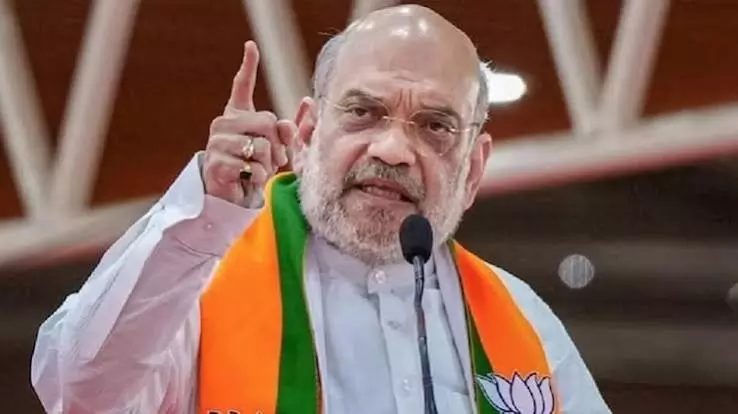
It is in this background that Union home minister Amit Shah has declared that the National Democratic Alliance (NDA) which the BJP leads would make efforts to implement the UCC in all 21 NDA-ruled states before 2029 when the Lok Sabha elections are due. Thus, Mr Shah has given away one of the main poll planks of his party to seek a record fourth term for it and the alliance when it goes back to the people in three years.
It is true that the directive principles of the Constitution (in Article 44) promise that “the State shall endeavor to secure a uniform civil code for citizens throughout the territory of India”. It is an ideal that the founding fathers of the republic placed before its future generations to aim for, knowing full well that reconciling the differences that exist among various segments of the people so that they willingly adopt a uniform code calls for humungous efforts. The target cannot be a mechanical implementation of the idea but an uplift of every section of society to the best possible civil law that ensures justice to every person under the protection of the Constitution.
How far the country has travelled in that direction is anybody’s guess but the BJP sees in this move an opportunity to find an “other” that will nourish its divisive politics. The party has not learnt much from the dismal dividend it harvested after implementing two top items on its agenda, the construction of a Ram temple in Ayodhya and the scrapping of Article 370, in the last parliamentary election. However, such empirical data need not stop it from furthering its Hindutva goals.
Implementation of a UCC at the national level calls for an amendment of the Constitution, which the NDA cannot undertake given its numbers in Parliament. So the ruling party is trying to keep spirits high by this piecemeal adoption of such a code in states where it is in majority and runs the government. Such individual codes may carry their limited social points but can hardly make a positive impact on the lives of the people.
But the BJP may find the going tough if it thinks it can steamroll its pet project as differences have already cropped up among its powerful allies in the states. The Janata Dal (United) in Bihar has made it clear that it will not allow its implementation though it supports UCC as a concept. The Telugu Desam Party that rules Andhra Pradesh is confused: While it says it is committed to the idea, it wants more discussions. It is the hard politics that comes in the way of these two parties — which together helped the NDA command a majority in the Lok Sabha — raising their hands unconditionally to the suggestion of Mr Shah.
The BJP will be doing a service to the nation if it can launch a national debate on this topic and let all come to a consensus instead of taking a circuitous route.