At the centre of the controversy was a bronze figurine, one of the most celebrated artefacts of the Indus Valley Civilisation. However, as the figurine was depicted unclothed, the NCERT clothed it, ostensibly because it would be viewed by children of an impressionable age
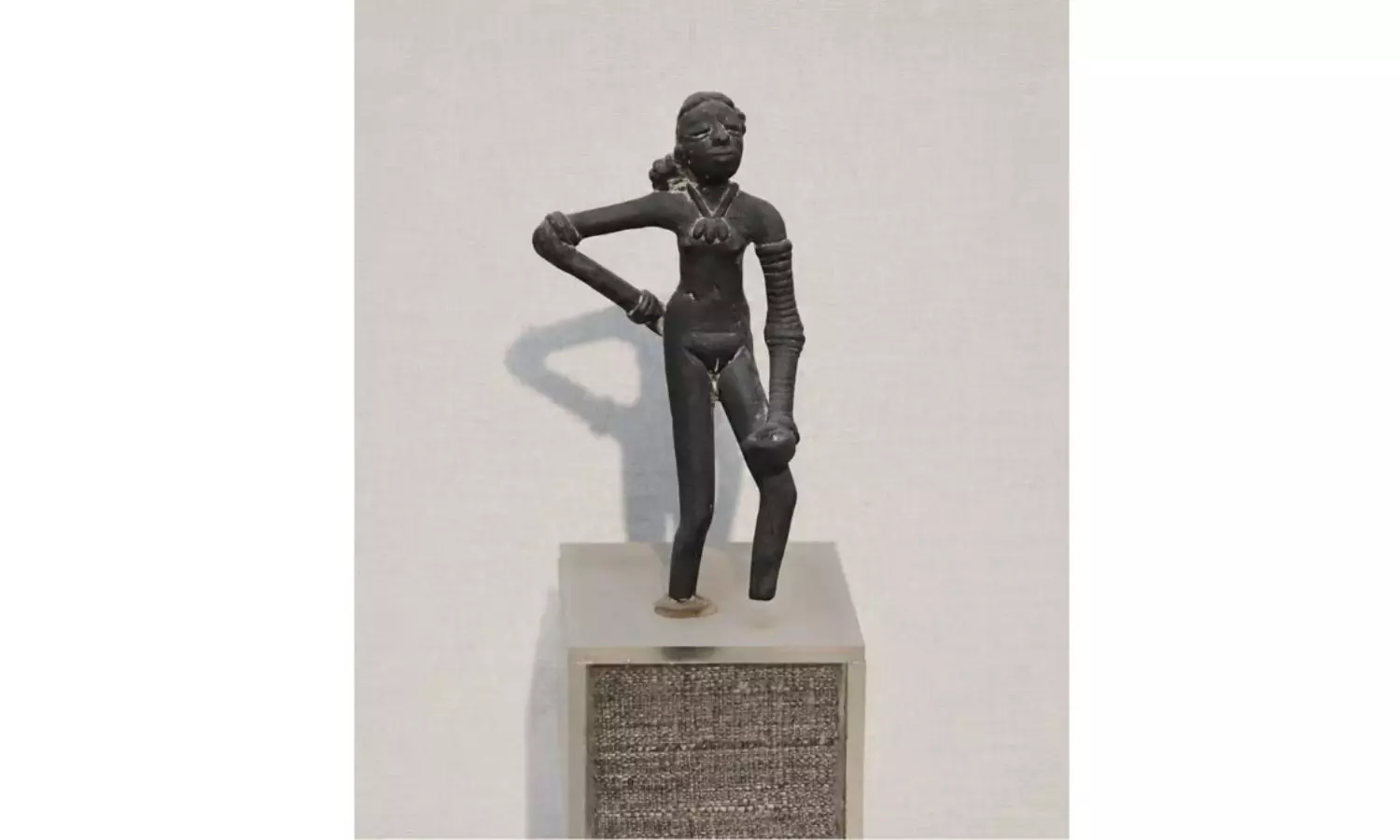
The decision of the National Council of Educational Research and Training (NCERT) to visually alter the image of the iconic 4,500-year-old Dancing Girl figurine in its Class 9 textbook highlights the extreme levels of sanitisation being imposed in India in recent times.
At the centre of the controversy was a bronze figurine, one of the most celebrated artefacts of the Indus Valley Civilisation. However, as the figurine was depicted unclothed, the NCERT clothed it, ostensibly because it would be viewed by children of an impressionable age.
A similar concern was raised in May by Solicitor General Tushar Mehta during the Supreme Court’s suo motu hearing on the presence of cartoons in some NCERT textbooks. The Solicitor General said that while there was no objection to cartoons in general, their inclusion in school textbooks raised concerns as they would be viewed by children of an impressionable age.
On the surface, the anatomical depiction of the figurine, on a standalone basis, is too trivial an issue to discuss nationally. However, if the tendency to alter the past to suit the present becomes the norm, it is too serious an issue for the country to ignore.
Unlike the Victorian style, Indian sculpture had, for millennia, been quite open in its pictorial depictions. If the NCERT had its way, a student studying Indian heritage and culture would be seeing India through a Victorian or an Arabic lens — two cultural traditions that do not allow open portrayals of the human body.
Education helps people think clearly and solve problems. If children are fed incorrect information, they will arrive at incorrect conclusions, which will undermine the very purpose of education. Governments and other entities responsible for education should therefore allow children access to unfiltered knowledge and enable them to develop into well-rounded individuals.
