The fall of a sixth PM in the 10 years since a referendum led to Brexit may be a clear enough indication that Britain had suffered economically from the isolation it thrust upon itself; ironical since tearing away from the European Union did not bring much relief from the influx of illegal migration
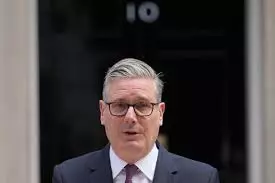
Politics is such a brutal profession, especially in a more visual and open age of a virulent media and an omnipresent social media, that a backlash builds with the speed of the Internet and Britain’s Keir Starmer — the decent sort who may have been a proficient enough Prime Minister in the 20th century when governments operated mostly behind closed doors — becomes the fall guy.
The fall of a sixth PM in the 10 years since a referendum led to Brexit may be a clear enough indication that Britain had suffered economically from the isolation it thrust upon itself; ironical since tearing away from the European Union did not bring much relief from the influx of illegal migration.
Sir Keir Starmer’s failure at not keeping migrants out and not exploiting energy sources in the North Sea were adduced as reasons for his downfall by his frenemy across the Atlantic Ocean. It was almost with glee that the US President Donald Trump seemed to greet the news of another change coming up at No. 10 Downing Street. The sad part is that a lachrymose Mr Starmer, in coming forward to put in his papers, seemed to accept on his own that he had floundered.
Recency bias may have exaggerated Mr Starmer’s sins, as in his appointing the Jeffrey Epstein-tainted Peter Mandelson as Ambassador to the US and accepting freebies like tickets to Taylor Swift concerts and Arsenal’s football matches, barely two years after leading the UK Labour Party to resounding victory over the Tories who themselves were castigated by the public for such sins as Covid-time partying while UK was in lockdown.
Mr Starmer’s failure may have lain politically in imagining the rightist Reform Party, led by Nigel Farage, as Labour’s main threat and economically in being willing to tax the slightly better off pensioners to pay more for their winter heating and raising taxes overall to serve public systems better to negate what the Tories may have cost the UK in their austerity drive.
The choking of the economy became the bigger flashpoint, which the Labour Party may have missed in its zeal to do the exact opposite of what the Tories, with their string of PMs after David Cameron walked into the trap of the referendum, may have been trying. “It’s the economy, stupid” may have been the best analysis of what was going wrong in Britain but about which Labour could do little after staging a great comeback following a decade and a half in the wilderness.
Sucked into the Ukraine war for fear of Russia casting its eyes further and going to the aid of Mr Volodymyr Zelenskyy with money, arms and encouragement though wisely keeping off the Iran war despite Mr Donald Trump’s sarcasm, Britain may have needed a very strong Prime Minister to steer it in such times of great external challenges, including rising oil and gas prices, besides the internal bickering that the nation is famous for. Mr Starmer wasn’t the one.
In the end, mutiny in his own party scorched him as a career politician, former Cabinet minister and popular mayor of Manchester, climbed into the top power equation quickly. Andy Burnham from Manchester beat Reform convincingly in a by-election to become an MP and challenge the Prime Minister ahead of other contenders who had been eyeing Mr Starmer’s seat.
It is to be seen how Mr Burnham performs for a nation that is tired of economic stagnation, afraid it is spending too little on defence and unsure about its future even as the Labour Party itself worries about its own future when the Greens and Reform Party are gaining ground. Can the PM-in-waiting call off Labour’s war on the rich and still get Britain to prosper is the big question.