The audacity of this government with a history of jailing political opponents including chief ministers and ministers for months on end misusing laws, especially PMLA, with no shred of an evidence of their culpability, is unsettling
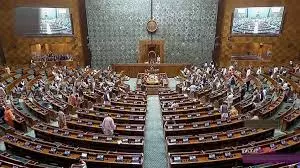
The three bills including the 130th Constitution Amendment bill moved by Union home minister Amit Shah in the Lok Sabha on Wednesday providing for unseating elected representatives from positions of executive power should they remain in custody for 30 days in a case punishable with five years of imprisonment does not aim at “elevating the declining level of morality in public life and bringing integrity to politics” as the minister would like to claim, but is an assault on principles of democracy and natural justice, an abuse of the law and judicial processes and an attempt to undermine the Constitution.
Presumption of innocence is a foundational principle of natural justice and the hallmark of democracy. Article 21 of the Indian Constitution which mandates that no person shall be deprived of his life or personal liberty except according to procedure established by law is based on this principle. In one stroke, the government now seeks to undermine them all. While eminent jurists go by the dictum “bail is the rule and jail is exemption” before trial, there are entries in our statute book, including the Prevention of Money Laundering Act, 2002, which make bail next to impossible even for a willing judge. In fact the Supreme Court had struck down Section 45 of the Act holding it ultra vires the Constitution but the government brought it back with some deft tinkering.
The audacity of this government with a history of jailing political opponents including chief ministers and ministers for months on end misusing laws, especially PMLA, with no shred of an evidence of their culpability, is unsettling. The bills are nothing but an attempt to give such abuses of the law and the judicial processes a constitutional coating.
Democracy empowers people to elect their rulers, and no administrative intervention can challenge it, but these laws authorise investigating agencies to do just that. If the government is so set on “elevating the declining level of morality in public life”, it could strengthen the system to fast-track cases against elected representatives. Evidently, it has not chosen to do so.
The Constitution envisages that the Indian Union will function on federal principles with clearly demarcated areas of operations for the Union and state governments. There are enough powers available with the Union government to restrain a recalcitrant state government should the need arise, of course with constitutional safeguards. These laws, however, place state governments at the mercy of the Union government through its agencies.
It may be remembered that the mandate the BJP sought from the people was 370 seats in the Lok Sabha in the 2024 elections (400 paar for NDA) which would have empowered the party to amend the Constitution but the people, in a shift from their own choices in the earlier two occasions, refused the party even a simple majority. But the saffron juggernaut is not in a mood to get the message. Instead it is determined to enforce its writ on this large country instead. The NDA knows pretty well that it does not have the numbers to see the bills through and the INDIA bloc which needs only 181 votes in the Lok Sabha to defeat it has 234 members. The government must now clarify what it wants to prove with this legislative excess.
Upholding morality in public life and fighting corruption are ideas that always have takers. But throwing the baby out with the bathwater is not the idea sensible people would opt for. Democracy does not offer rulers such luxuries either.