Critics say citizens are being asked to bear burdens after years of high fuel taxes.
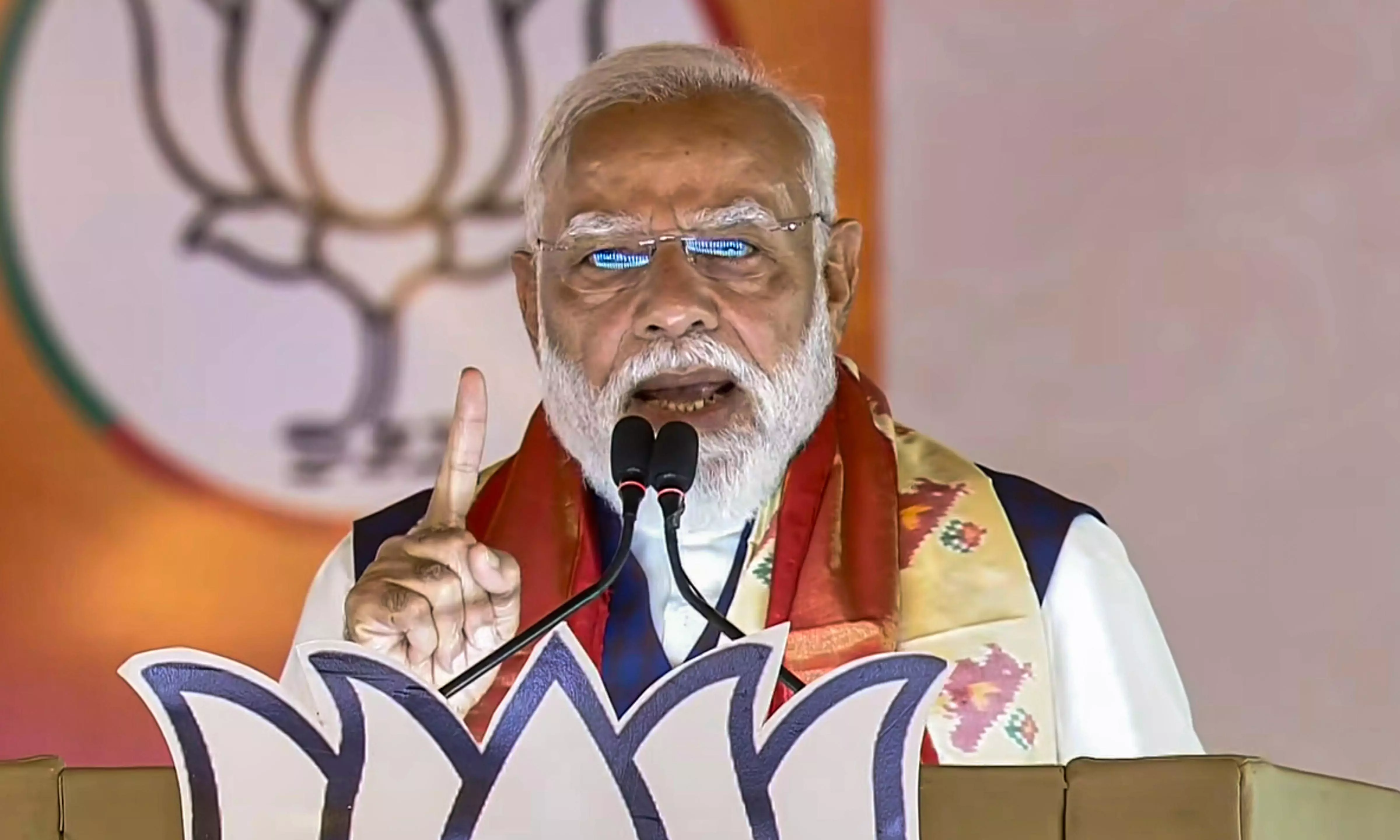
The Prime Minister’s call for austerity to tide over the Iran war effect on global oil prices will not be universally welcomed. This is a throwback to the days of the Covid pandemic when society had to make sacrifices for its survival in the face of an existential threat. To ask people to tighten their belts again and reduce fuel consumption and even cooking oil is suggestive of awkwardness in governance because the Indian consumer never benefitted when the oil prices were low for years.
Prime Minister Narendra Modi had a raft of suggestions, including reviving working from home, carpooling, greater use of the Metro and public transportation and using less fertilisers. This is a bit hard to take because the government snatched all the savings when oil prices were low, raising lakhs of crores of rupees for infrastructure and welfare spending, etc. Purposeful as the money used for development may have sounded, the truth is that the Indian citizen was hit in the pocket to pay for everything.
Austerity is a great ideal as man has been known to be stripping the planet of its precious resources to sustain human lifestyles. But millions cannot be expected to return to the days of an abstemious old India when its leaders kept asking people not to consume. The national effort called for now does not gel because the modern era has seen people accustomed to a few small luxuries and comforts beyond ‘roti, kapda aur makaan’.
Truth be told, the financial figures are startling as the government has been shielding citizens from the impact on oil and gas prices caused by the choking of the Strait of Hormuz by an Iranian blockade and a US counter blockade. With India importing nearly 90 per cent of its petroleum needs, the fuel bill rose to $121.8 billion in 2025-26 and oil companies are now bleeding at Rs 1,000 crore a day in under-recovery since oil prices surged from $70 at the start of the war on February 28 to nearly $120 a barrel. Also, as the rupee has slid from 91 to 95, India has been facing a double whammy of high oil prices and the rupee sliding vis-à-vis the dollar.
Since a price rise at the petrol pump cannot be staved off for too long lest the finances of oil companies are run into the ground, the head of the government is coming out with a call for 140 crore people to make sacrifices. Reality seems to be biting openly at a time when the polls are over in five states, but the government is chary of accepting that fuel prices must rise even if it would appear to be an admission of failure.
War creates force majeure conditions, but should people suffer just because the optics of a price rise will not suit the rulers? Should even food security be compromised to reduce the use of fertilisers that are required to ensure people do not have to go hungry for lack of food on the table? India’s lust for gold is too well established, but does it not strike those calling on people to resist the lustre of the gleaming metal that lakhs of people could lose their livelihoods, which will also happen across the economy if consumption in the world’s fastest-growing major economy comes down.
It would be more prudent to come clean on the situation and give the petroleum refiners relief by granting a rise in the cost of petrol and diesel and expect the people to grin and bear it as a war-like situation persists in West Asia. There may be an environmental need to cut down on carbon footprint but that applies to all, including India’s VIPs who should also be seen to sacrifice something.