Leaders face war crises, trade tensions, and rising oil costs in the Rocky Mountains summit
Leaders of the first world are gathering for a G7 meeting in the Canadian Rockies. This might be eerily appropriate as they meet in a rocky place while the world finds itself in wobbly times with a war in Europe raging into a fourth year and a new one that has just broken out in the Middle East with Israel guilty of opening a second front in attacking Iran, besides its sustained operations in Gaza Strip.
In normal times, the leaders, despite their collective diminishing share of the global GDP that the G7 countries represent now, would have prioritised talking of ways to stop the Ukraine war and stop the Israel-Iran conflict from escalating into a bigger war. They will probably be too busy now trying to mollify the US President Donald Trump to set right what tariff walls may potentially do to their exports and their economies.
Having chosen a time to attack Iran directly and in far more serious way than in previous targeted dropping of explosives from drones that caused a flutter last year, Israel must feel free to keep on the warpath with the same playbook with which it dealt with Hamas and Hezbollah in weakening their leadership and their attack capabilities. And Trump has virtually given them a carte blanche in his lauding them as well as warning Iran about dragging the USA into the conflict.
Exploring possible solutions to the wars like mediating to bring about a ceasefire may be the last thought in the minds of six leaders of the G7 who are caught in the strange dilemma of having to deal with Trump and his idiosyncrasies while also wishing to distance themselves from over dependence on the USA as an unreliable ally and bellicose trading partner.
Amid all this, Prime Minister Narendra Modi’s lone voice may be ringing out that this is not the era of war but they rage on nevertheless, with death threats being handed out freely against Iran’s Ayatollah and Trump even as the latter claims credit for sparing the life of Iran’s ‘supreme leader’ Ayatollah Ali Khamenei by stopping the Israelis who, in their extensive intelligence operations, seem to have put assassins on Iranian soil with a credible plan to carry out the hit.
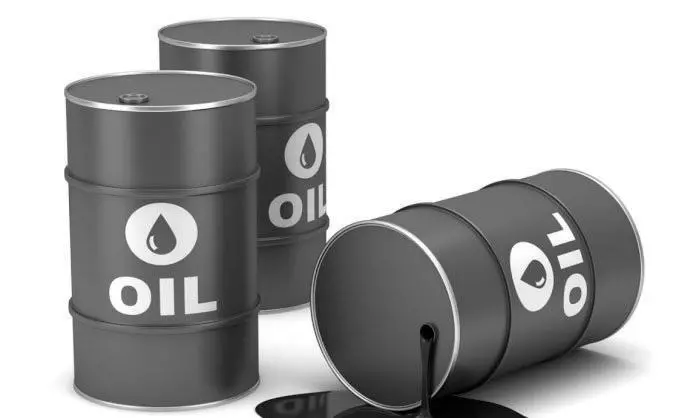
As Israel claims to have hit the Quds headquarters, the world’s latest war is nowhere near pausing, but then no conflict is an independent event in an interconnected world. What is happening to the oil prices as Israel has turned the region into a war zone in which it has also hit Iran’s major oil and gas infrastructure, should be of concern to all nations, especially India, which imports almost all the oil it consumes in an expanding economy.
Having risen 12 per cent in just the last week, as indicated in the $74 price per barrel of the benchmark Brent crude, oil prices are choppy today. While the alarmists predict a possible $120 price for oil, which has not been seen in decades, a spike in prices is inevitable and may be to an extent as to hit India’s oil bill and its current account deficit.
If difficulties arise in transporting the oil sourced from major suppliers in Iraq, Saudi Arabia and UAE and with India able to source lesser amounts of cheap Russian oil because of restrictions on ships carrying crude out of Russia, the world’s second largest crude importer after China, might have to scramble to keep its basket of oil purchases, which also includes US light crude, at reasonable price levels and to bring it in to fulfil a demand of 5 million barrels a day of oil.