Rohingya habeas plea response raises concerns over constitutional protections for all persons.
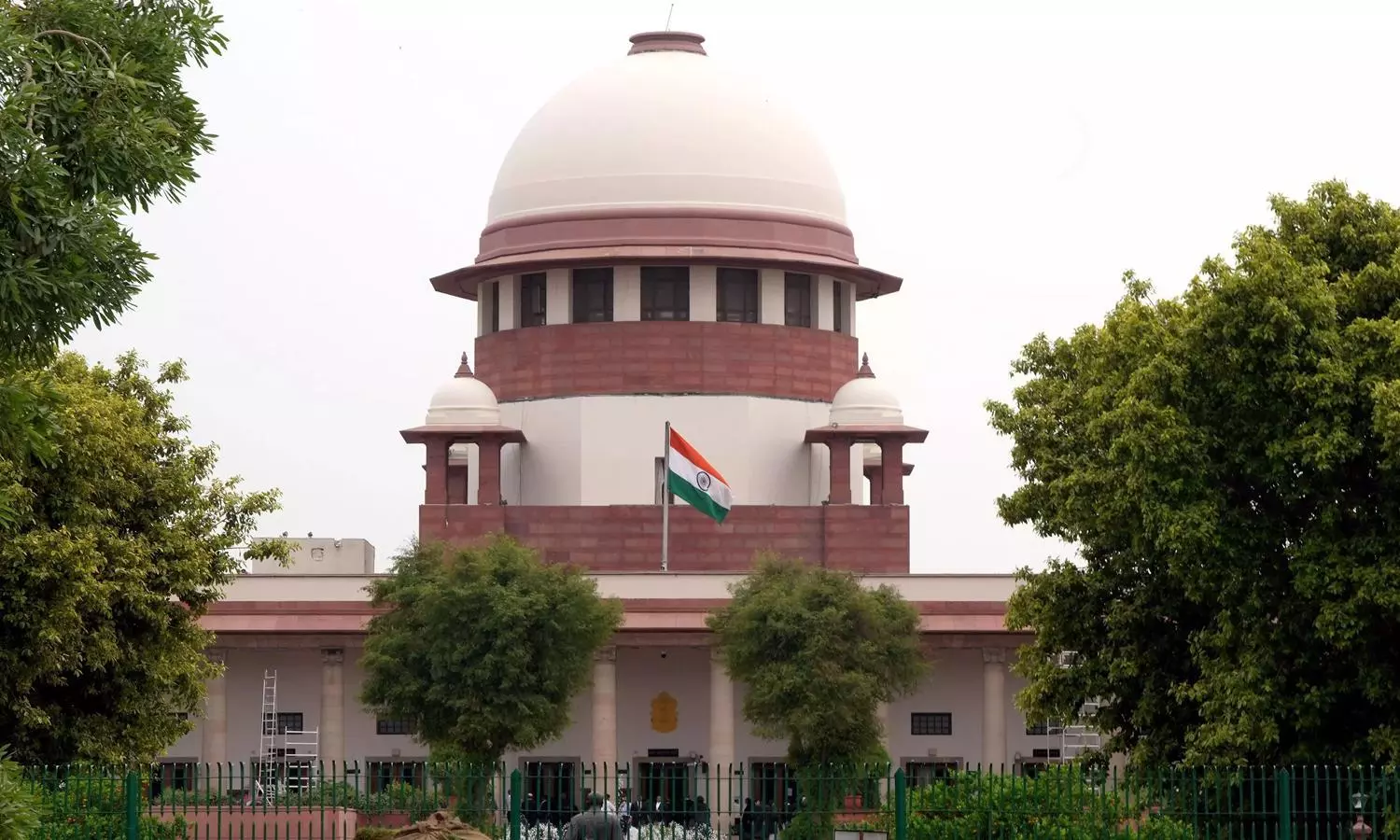
The Constitution has appointed the Supreme Court of India as the final interpreter of that foundational document and empowered it to ensure that the rights enshrined in it are not trampled by the government. The court, on its part, has always insisted on sticking to the principle of separation of powers while fulfilling its mandate.
However, the response of the apex court the other day to the habeas corpus petitions for five Rohingyas who were allegedly picked up by Delhi police in May this year was in breach of all expectations. The court appeared to be outraged by the presence of these people, who face racism in Bangladesh on Indian soil. The bench, comprising Chief Justice of India Surya Kant and Justice Joymalya Bagchi, was doubtful if constitutional protections could be extended to undocumented people. It was uncomfortable to refer to them as refugees and reminded the counsel that the law has defined refugee status and wanted to know if these people are indeed granted that status. Referring to the porous eastern and northern borders, the bench also asked to check if courts and governments should “roll out a red carpet” for illegal entrants “when millions of Indian citizens continue to struggle for basic welfare entitlements such as food, education, housing and medical care”.
To be clear, the question of how to treat non-citizens in the country is fully the mandate of the executive on the basis of government policies and laws passed by the legislature. How to address the physical needs of the Indian citizens and to design ways to spend the resources also come in the domain of the executive branch of the government. The court was, however, asked the limited question as to if it can order the State to present before it the people it is alleged to have detained and ensure that their treatment follows due process.
While deciding the question, the court can be governed by two articles of the Constitution, which offer certain fundamental rights to all, irrespective of their status, whether they are citizens or not. They are Article 21, which mandates that “no person shall be deprived of his life or personal liberty except according to procedure established by law” and Article 14, which holds that “the State shall not deny to any person equality before the law or the equal protection of the laws within the territory of India”. These articles are categorical that the state is mandated to treat some rights such as the right to life and the right to equality as fundamental wherever its writs are run. It prohibits the State from detaining people without due process.
Then there is Article 32, which the chairman of the drafting committee of the Constituent Assembly, Dr B.R. Ambedkar, called “the heart and soul of the Constitution”. It “guarantees” an individual “the right to move the Supreme Court by appropriate proceedings for the enforcement of the rights conferred by this Part.” Section 2 of the Article states that “the Supreme Court shall have power to issue directions or orders or writs, including writs in the nature of habeas corpus, mandamus, prohibition, quo warrant, and certiorari, whichever may be appropriate, for the enforcement of any of the rights conferred by this Part”.
It will only be in the service of the letter of the law as well as its spirit if the Supreme Court of India takes the lead in enforcing fundamental rights guaranteed under the Constitution and leaves policy decisions to the executive only.