Patralekha Chatterjee | Is India’s Reputation in Pharma Starting to Fray?

Deaths in Madhya Pradesh highlight recurring lapses, weak regulation, and unequal access to safe medicines
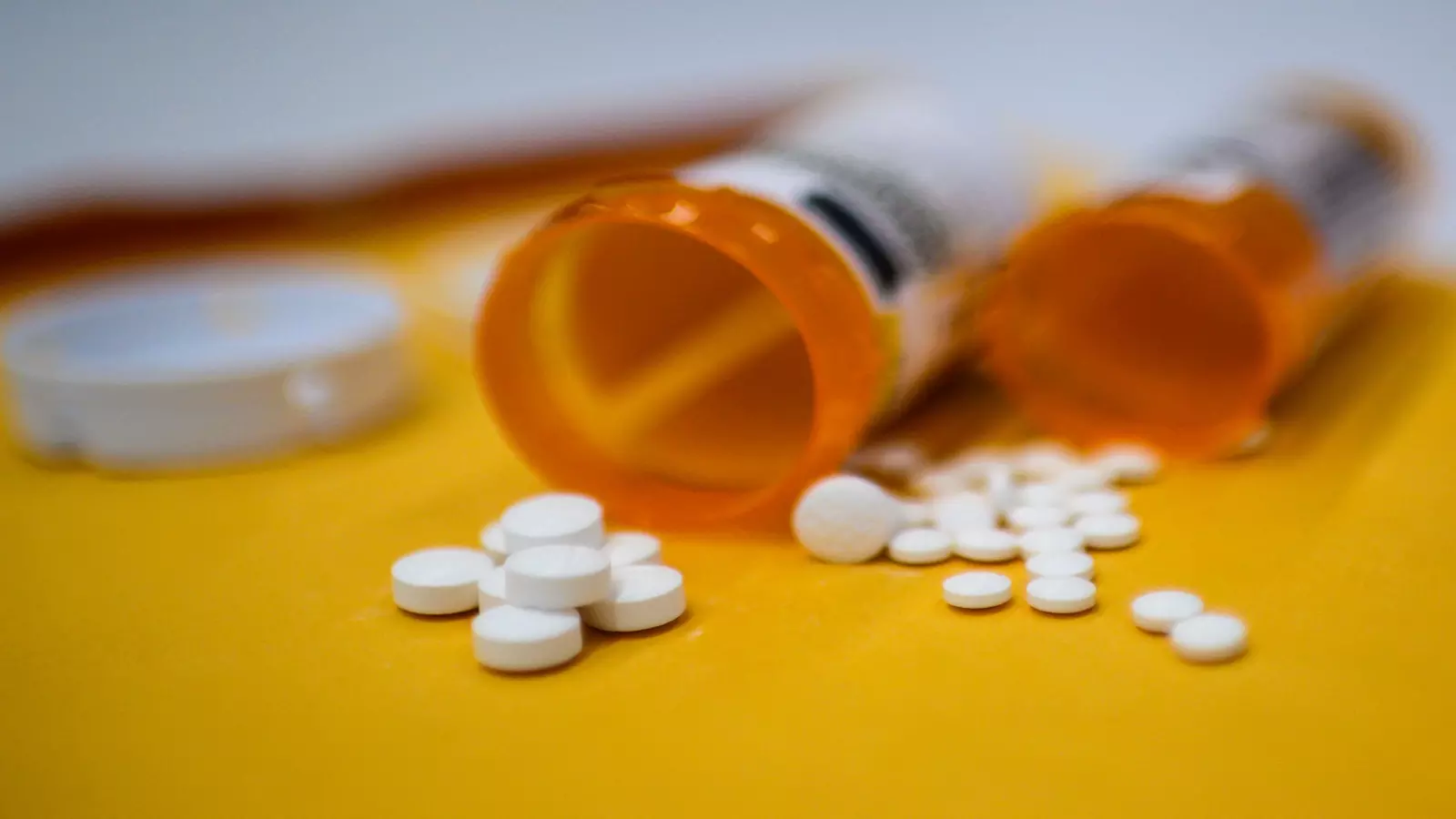
Three-year-old Usaid’s last words, “Anaar ka meetha daana”, a nursery rhyme, trailed off unfinished. He died hours later, one of several children in rural Madhya Pradesh, under five, killed by a cough syrup contaminated with diethylene glycol (DEG), a toxic industrial solvent. The poison spread through supply chains, claiming around two dozen young lives.
India had a great story to tell. In the early 2000s, Cipla’s breakthrough in HIV treatment and low-cost antiretroviral (ARV) drugs positioned Indian pharma as a saviour of the Global South. That narrative is now strained by repeated contamination incidents and fatalities. These recurring tragedies expose deep regulatory gaps and stain the reputation of a country long hailed as the “pharmacy of the world”. India’s pharmaceutical industry, the world’s largest supplier of generic medicines by volume, is once again under global scrutiny.
Chhindwara, Betul and Pandhurna -- districts where Usaid and others came from -- are predominantly rural, with large tribal populations. The children were given syrups contaminated with DEG, a cheap and toxic substitute for pharmaceutical-grade propylene glycol. Coldrif, Respifresh TR and ReLife were the identified syrups. Coldrif was made by Sresan Pharmaceuticals in Tamil Nadu; Rednex and Shape Pharma were also flagged. Sresan’s owner was arrested and its licence permanently cancelled, according to the state’s health minister. A doctor who prescribed the syrup was also arrested; though medical bodies argue that regulators, not doctors, are to blame.
Local regulatory neglect has local and global consequences.
Over 100 children globally have died due to DEG-laced syrups made in India. The timeline is bleak: Gambia, 2022. Uzbekistan, the same year. Jammu & Kashmir, 2020. Gurgaon, 1998. Mumbai, 1986. Each time, the pattern repeats: tainted syrups, dead children, arrests, outrage then silence. Not one person in India has been imprisoned for these deaths. In 2022, Indonesia jailed Afi Farma officials for DEG -- and EG-tainted syrups that killed many children.
What did India learn? Earlier as now, investigations typically find the same failures: unqualified staff, untested water, no data monitoring, no quality checks. India’s fractured regulatory structure -- where the Central Drugs Standard Control Organisation handles policy and exports, while state regulators manage inspections and enforcement -- creates space for negligence and blame-shifting. Drug-testing labs are underfunded and ill-equipped. Central and state drug regulators have faced scrutiny over lapses and alleged corruption.
The reflex to blame the “system” while shielding commercial interests is wearing thin. The recent DEG-poisoning cases have spurred the World Health Organisation to express "deep concern.” India informed WHO that three cough syrups made in Tamil Nadu and Gujarat were contaminated with toxic diethylene glycol (DEG), that the medicines have been recalled from the market and manufacturers are being instructed to stop production of all medicines. Meanwhile, Gambia has mandated pre-shipment quality testing on all pharmaceutical products exported from India, according to a June 2023 report in Health Policy Watch. The US Food and Drug Administration confirmed in October 2025 that DEG-contaminated syrups from India hadn’t entered the American market, but it’s closely monitoring the situation.
“The latest DEG-contaminated cough syrup saga which has led to deaths of many poor children in rural and tribal areas in multiple states in India once again highlights compliance gaps,” says Dr Anant Bhan, global health policy and bioethics expert.
While not all Indian pharmaceutical companies should be smeared, persistent gaps in the regulatory framework mean that rigorous testing and oversight -- especially for quality, efficacy, and safety of cough syrups and other medicines -- is often lacking. This is compounded by the urgent need to eliminate irrational combinations of medications, Dr Bhan points out.
“DEG-contamination is an old story. The latest incident could potentially question the credibility of India’s pharma manufacturers and the regulatory system in the country even if this time round, the cough syrups were not exported. It is very important to show that such incidents are taken very seriously. It is critical that every medicine made in India meets a quality threshold. It is unacceptable that children die. This time, poor children in rural areas in India died. In earlier instances, a few years ago, victims of adulterated cough syrups were children in Africa and Central Asia. There are huge lessons to be learnt and a very important question that comes up -- do all lives have equal value?” he adds.
India has the infrastructure to ensure safe drugs. What it lacks is political will and regulatory accountability. Dinesh Thakur, public health advocate, and co-author of The Truth Pill: The Myth of Drug Regulation in India, asks the obvious: “If these so-called ‘cough syrups’ were adulterated as we know, why don’t they cause harm to children of people who live in Defence Colony in Delhi?”
It's not as if parents who live in posh areas do not administer cough syrups to their children. But as Mr Thakur points out, “people of means probably buy these products at pharmacies which do not stock cough syrup made by small and medium pharma companies. The pharmacies and chemist shops in larger cities stock cough syrups made by large Indian pharma companies, which to a reasonable extent, follow Schedule M of the Drugs and Cosmetics Act 1940.”
Schedule M, which outlines Good Manufacturing Practices (GMP) for drug quality, safety and efficacy was revised in 2023 after repeated contamination incidents.
This bifurcation -- where safety is a function of geography and income -- raises uncomfortable questions about equity and accountability. It also exposes a regulatory blind spot: domestic distribution. India’s small pharma manufacturers typically supply largely to the domestic rural market.
But it’s possible to prevent such tragedies from recurring. First and foremost, there must be transparency. As Mr Thakur says, all inspection and testing data from state and Central drug labs should be made public within a reasonable timeframe (a few days).
Public health experts have long advocated for rescinding the Jan Vishwas (Amendment of Provisions) Act 2023, which amends the Drugs and Cosmetics Act 1940 to decriminalise the first offence of making and distributing substandard or adulterated drugs. They argue that replacing jail time with a monetary penalty further erodes what little deterrence existed earlier in India’s drug regulatory system.
What the recent tragedies expose is not just regulatory failure but India’s starkly two-tiered healthcare system. In one India, quality medicines save lives; in the other, unsafe, adulterated syrups kill children. Safety must be a right, not a privilege. If India wants to lead the Global South, it must first ensure its medicines -- exported or domestic -- are safe. This is not just about global scrutiny -- it is a moral obligation to protect every life.