Kamal Davar | Pashtuns Caught In Crossfire As Pakistan, Afghan Forces Go To War

The example of the tribal Pathans (also called Pashtuns) is an apt example of such a brave, self- respecting, hardy people spread over Afghanistan and Pakistan, who have become severe victims owing to geopolitical chasms emerging between these two neighbours, besides many local factors which have arisen off and on
A war-like situation has emerged along the 1893 British-ordained 2,611-km Durand Line, the border between Pakistan and Afghanistan, which the latter doesn’t recognise as one, with kinetic conflicts occurring for over a year, and especially over the past few days. The Pakistan Air Force bombarded what it called the Tehreek-e-Taliban (TTP) terror camps in Afghanistan in retaliation for Afghan airstrikes on Pakistan’s border posts. The PAF has reportedly struck Kabul, Kandahar, Nangarhar and Paktia Afghan positions, including a major ammunition dump of the Afghan Taliban.
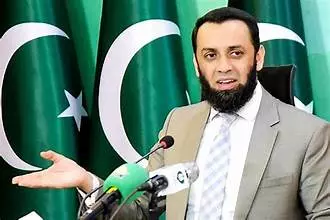
Pakistan’s information minister Attaullah tweeted his country’s military “conducted intelligence-based, selective operations” against seven TTP camps. Pakistan has officially claimed that it had eliminated over 70 militants, which the Afghan military spokesman has denied, saying dozens of women and children were killed and a madrasa destroyed. Afghan Taliban spokesman Zabihullah Mujahid has, meanwhile, claimed that Afghan forces had also launched a massive counter-offensive against Pakistani military positions along the Durand Line and killed a large number of Pakistani soldiers, and even captured seven posts. Pakistan, some media reports said, has admitted losing a F-16 aircraft in these strikes. The fact remains that the ceasefire sponsored by Qatar and Turkey in October last year has become inoperative, and the prolonged confrontation between the two neighbours has opened a new flashpoint in the South Asian region.
Tracing the history of such conflicts, it is pertinent to note that the Indian subcontinent’s nations are interspersed with countless tribes, ethnicity, languages, castes and religions with some of these diversities located in more than one nation. But instead of these races living in harmony with each other, despite their many commonalities, including in culture and heritage, there exists fratricidal violence which is attributed to the conflicting geopolitical interests of their nations or some leader’s misplaced ambitions. The example of the tribal Pathans (also called Pashtuns) is an apt example of such a brave, self- respecting, hardy people spread over Afghanistan and Pakistan, who have become severe victims owing to geopolitical chasms emerging between these two neighbours, besides many local factors which have arisen off and on. That despite the fact that Afghanistan and Pakistan are both diehard Islamic nations with Sunni Muslims as the majority in both. This has not prevented them both from engaging in frequent border clashes, terror strikes and movement of people crossing into each other’s territories. Most analysts ascribe this to their fierce sense of independence and an aversion of the Pathans as a clan to any kind of state authority. Pakistan has also announced the return of nearly three million Pathans to Afghanistan, a step that has been denounced by many Pakistani Pathans as discriminatory in nature.
Among the many tribes that constitute the Afghan tribal mosaic, Pashtuns are the largest ethnic faith, while even in Pakistan they are the second largest ethnic group. The currently ruling Afghan Taliban, since the unceremonious exit of US forces from Afghanistan in 2021, are predominantly Pashtuns but they do have some differences with the other Afghan tribal communities like the Tajiks, Hazaras, Uzbeks and Turkmen.
After the fall of the Taliban government in 2001 and till 2021, Pashtuns have been discriminated, to some extent, by different local Afghan governments. Nevertheless, the ruling Taliban in Kabul have been now trying to reach out to the other tribes to maintain a modicum of unity to govern Afghanistan, but some differences exist, which Pakistan’s Inter-Services Intelligence (ISI) has been endeavouring to exploit. The fact remains that there does exist religious and social differences between the Sunni-dominated Taliban and the Shia-dominated Hazaras and other Shias in Afghanistan.
The Pashtuns in Pakistan, meanwhile, do feel discrimination from the local population, especially Punjabis and Pakistan’s security forces. The voice for Pashtun rights, such as the Pashtuns Tahafuz Movement (PTM), denies that Pashtuns in Pakistan are linked with any form of militancy or secessionist movements within Pakistan, and largely blame the Pakistan Army for acting against the PTM and their cadres and creating social and political chasms with others in Pakistan. The Sunnis and Shias in Pakistan also suffer from a major divide, and it is a not so an infrequent occurrence of Shia mosques being targeted and dozens of innocents being killed without any reason.
During the October 2025 operations too, India had exhorted the two nations to solve their problems by negotiation and conveyed the same to the Afghan foreign minister, who was then visiting India. With the nations at war with each other, India too is impacted, both in security and economic interests. As on other occasions, Pakistan (the citadel of global terror) has accused India of involvement in Afghan affairs, forgetting that for ages, the people of Afghanistan respect India for the simple reason of its policy of non-interference in the internal affairs of any country, and for its substantial soft power forays into Afghanistan. However, this conflict, if prolonged, will disrupt trade between India and Afghanistan and onwards towards the Central Asian Republics, and also disrupt India’s development work inside Afghanistan.
This unfortunate, meaningless conflict has inflicted casualties to women and children and many other innocent civilians which India has condemned, whilst reiterating its support for Afghanistan’s sovereignty and territorial integrity. Pakistan, in the last two years, in particular, has been most uncomfortable witnessing the growing warmth in New Delhi-Kabul relations. India’s external affairs ministry has rightly noted Islamabad’s discomfiture as Pakistan’s vain attempt to “externalise its internal failures”.
Overall, as India correctly remains unentangled in the Afghan-Pakistan conflict, it must support Afghanistan’s quest to ensure its territorial integrity and carefully monitor any attempts by Pakistan to escalate terrorism into India. New Delhi also needs to make all efforts to increase its economic footprint in this vital strategic expanse.
The writer, a retired lieutenant-general, was the first head of India’s Defence Intelligence Agency, and is a strategic analyst