How Surat used the 1994 plague as a catalyst for improving local administration is a stirring tale.
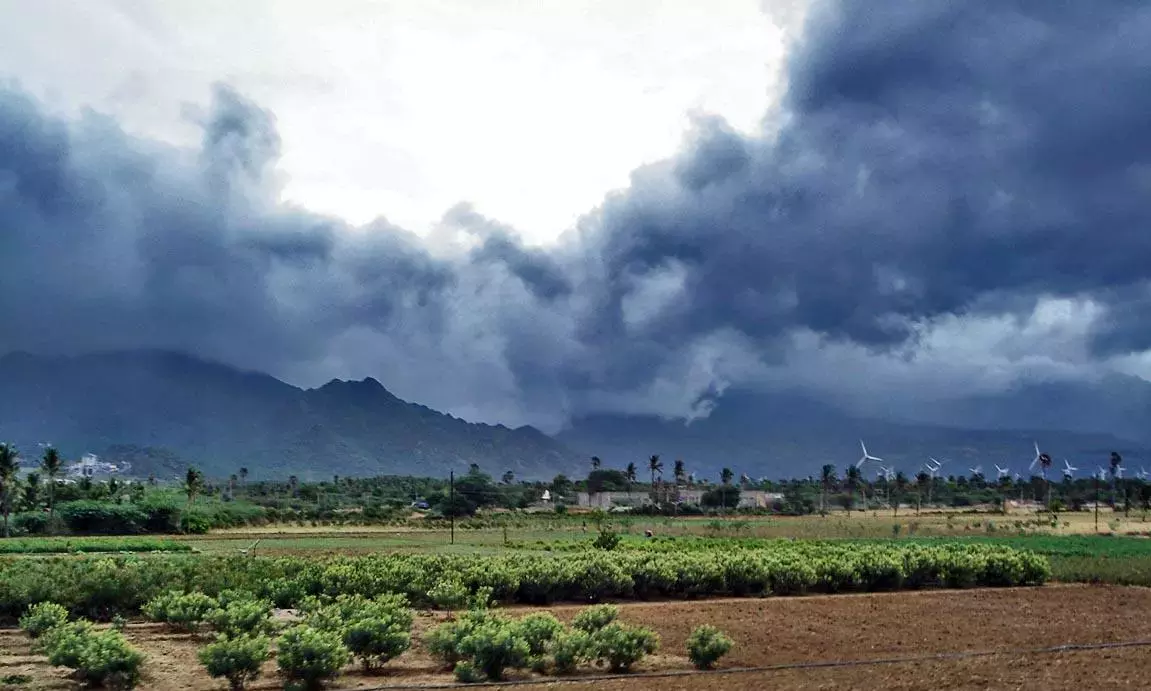
In 1994, Surat exploded onto the front pages of newspapers worldwide in the aftermath of a virulent plague. More than 50 people died. Hundreds of thousands, including migrant workers, fled the city in fear; businesses shut down. The spread was soon controlled. But the plague raised serious concerns about the city’s public health infrastructure, and the local government’s capacity to manage it.
How Surat used the 1994 plague as a catalyst for improving local administration is a stirring tale. Two government officials, S.R. Rao and S. Jagadeesan, who served as Surat’s municipal commissioners in quick succession in the mid- and late-1990s, overhauled trash collection and street cleaning, enforced hygiene standards in food establishments and upgraded slums with paved streets and toilets. These and other changes turned Surat from a filthy, flood-prone, disease-ridden city to one of the cleanest in the country today.
I visited Surat in 2015 to see how the city had sustained its remarkable post-plague turnaround. Speaking with numerous government officials, researchers, and frontline workers, I discovered a powerful lesson for urban leaders across the developing world. As one senior municipal official crisply summed it up: “Political will, funding and micro-planning. That’s what turned the city around.”
The images of Surat from that 2015 trip replay like a slideshow in my mind as I process recent reports about serious flaws in the city’s road infrastructure. Roads have repeatedly caved in across different parts of Surat following the onset of the monsoon, triggering multiple accidents across the city. Several vehicles, including a water tanker, and a school van, were trapped in the cave-ins. In one incident, a section of the road collapsed, trapping the wheel of a state bus in a large sinkhole and putting the lives of 35 passengers at risk.
How does a city which so inspired the world come to this? Surat is still among India's top cleanest cities. But here is the paradox: Surat residents dodge recurring potholes and monsoon damage. Repairs run into thousands annually, but the cycle continues.
This gap -- strong in some metrics, shockingly poor in others, mirrors the wider Indian infrastructure and urban story.
Consider Dehradun. Part of the shiny, new 213-km Delhi-Dehradun Expressway, built at a cost of around Rs 12,000
crores, caved in recently following overnight rainfall. Inaugurated by Prime Minister Narendra Modi on April 14, 2026, this is a flagship project. The National Highways Authority of India (NHAI), which blames water stagnation after rainfall, constraints in commissioning the permanent cross-drainage system at the location, has suspended key personnel and issued show-cause notices. Why such a road was thrown open to traffic without drainage being fully fixed remains a mystery.
Mumbai, India’s financial capital, tells an even starker tale. Despite massive investments, every monsoon brings flooded roads, submerged tracks and crater-like potholes. The megacity could do with a pothole atlas.
Bombay high court observations have repeatedly flagged the “deplorable condition”, with deaths linked to potholes and open manholes becoming annual features. Under various administrations -- including periods of BJP-Shiv Sena alliances -- core issues of drainage, concretisation pace and maintenance persist. Encroachments, clogged nullahs, and concretisation without adequate stormwater planning worsen flooding.
A major accident involving more than 15 vehicles was recently reported on the Mumbai-Ahmedabad national highway in Maharashtra's Palghar district after a large pothole on a flyover allegedly caused multiple tyre bursts within a span of 10 to 12 minutes. These examples are not isolated failures. They reveal systemic challenges in how India builds and maintains urban infrastructure amid explosive growth. The roots run deep. Clearly, corruption exacerbates the problems. Procurement is a core issue. The dominant L1 (lowest-bidder) system encourages unrealistically low quotes. Contractors cut corners on materials, thickness, compaction, or sub-base to stay profitable. Roads pass initial inspections, but fail under rain, traffic, or soil stress. Lifecycle costing -- factoring total ownership over 10-15 years --rarely drives decisions; initial capital expenditure does. Drainage and site-specific engineering lag badly.
In Surat and Mumbai, inadequate integration of drains allows seepage that weakens foundations. Dehradun’s Himalayan foothills add landslides and expansive soils. Black cotton soil in parts of Gujarat, or Mumbai’s coastal reclaimed land, demands tailored stabilisation. Generic designs often ignore this, leading to heaving, cracks, and rapid pothole formation. Fragmented agencies compound it: one builds roads, another manages utilities or drains, resulting in repeated digging with sloppy reinstatement. Growth, outpacing planning, is the overarching pressure.
Cities like Surat have boomed through migration and industry. Mumbai and Dehradun face similar sprawl. Traffic loads --especially overloaded trucks -- exceed many designs.
The Narendra Modi government’s national missions, such as Smart Cities and highway expansion, exude scale. Where they often lag is in maintenance, with numerous examples of shoddy, substandard workmanship, not visible in ribbon-cutting ceremonies, but after the first monsoon showers. Smart Cities achieved high completion rates on paper, but critics note uneven sustainability -- assets degrading quickly due to poor handover, local capacity shortfalls or planning silos. The emphasis on big-ticket announcements and central schemes has outpaced ground-level enforcement of standards, municipal empowerment, and routine maintenance.
The same factors -- shoddy workmanship, corruption leaks, and weak accountability that produce monsoon road cave-ins also hobble India’s manufacturing ambitions. In a world where buyers demand consistent quality, reliability, and timely delivery, India’s reputation for “good enough, but not great” infrastructure raises costs and risks. Factories face power outages from unreliable grids, delayed logistics on pothole-riddled roads and supply chain disruptions from poor urban planning. These erode margins, deter precision manufacturing investments, and make it harder to climb value chains in electronics, autos, or exports. Slip-ups in quality is not just a civic issue. It affects global competitiveness.
Ambitious visions help launch projects, garner headlines, but they don’t guarantee resilience, or global competitiveness. Climate realities -- intense monsoons, heat softening bitumen --demand higher standards than many projects meet.
India is investing heavily in infrastructure to drive growth and “ease of living”, Billions flow into missions. Yet citizens experience daily friction: time lost in traffic, vehicle damage, safety risks. Pothole-related accidents and deaths occur with grim, monotonous regularity. Solutions are known: quality-weighted bidding, mandatory, integrated drainage planning, performance-based maintenance with real penalties and incentives, soil-specific engineering, and better inter-agency coordination and crackdown on corruption.
Surat’s 1994 story shows that an administration with vision can reverse decline. Its current strengths in cleanliness prove continuity matters. Mumbai and Dehradun illustrate that without addressing procurement, drainage, and maintenance fundamentals, even high-profile projects can deliver only partial victories.
The road to “Viksit Bharat” is littered with potholes. The key question: Can grand infrastructure rhetoric translate into roads that pass the monsoon test?
