Devi Kar | Retro Attractions: Going Back To The Past Can Often Be A Style Statement!

Retro food items, retro music and retro gadgets and gizmos not only feed nostalgia but may enhance our lifestyles
I had earlier written about some of the things that don’t change in a fast-changing world. Soon afterwards, I was introduced to Morgan Housel’s book Same as Ever. Housel says that human behaviour and emotions have remained the same through the ages. Fear, greed and positive response to incentives are unchanged.
I recently came across an interesting bit of news that I linked with this concept of unchanging behaviour. I read that the markets have of late become full of retro tech articles blended with modern features. This claims people are rediscovering the “imperfect charm” of older gadgets. Among those that have made a comeback are electronic typewriters working on wi-fi. Laptops, it seems, don’t give that comfortable tactile “feel”. Besides, serious writers don’t want distractions generated by computers: they want to concentrate on their writing. There is also the instant camera (like Polaroid), which produces a photograph instantly, which you can hold and show almost immediately, and then paste it in your physical album. Again, the landline phone is back with a difference. Again, people want to go back to holding the receiver close to the ear and keep the old-fashioned instrument on a corner table as a style statement. Many want to get away from the screen, online conversations and video calls. I hear the boombox of the 1980s has made a reappearance, and there is a “massive resurgence” of vinyl records. Our young digital natives like “tactile ownership”.
The trend of returning to the old and familiar is a kind of “back to the future” corrective attempt to improve the days ahead. Examples of this are moving away from digital tools in the classroom, the banning of social media for children, the comeback of paper and pen or pencil, printed books, and plain reading and listening without the help of audio visuals. The difference is that modern teaching-learning strategies are adopted and technology is selectively used so that the “old” experience has the advantage of modern functioning.
I know for sure that children’s attention span and concentration improve substantially if we withdraw some of the stimuli that modern classrooms have.
Since recording lessons and listening to them “later” is so easy that the ability to focus and assimilate has taken a beating. Many have already become cripplingly dependent on Artificial Intelligence. A kind of dumbing down is certainly there. So, going retro is more than an emotional need.
“Detoxification” is a term that is often used to rid the process of cleansing the impurities in our bodies which accumulate from time to time as a result of unhealthy eating. One of the methods is straightforward fasting. Another is to go on a healthy diet plan which requires us to avoid rich, spicy and oily food and to drink plenty of water to flush out our system. Now with the multiple ways in which technology and different devices have taken over our lives, we have taken to detoxifying our minds and bodies. It’s not people are turning into total Luddites but they engage more with the physical world.
An interesting recent article rang alarm bells. The writer said today’s children believe that the cyber world is the real world, where they live. It is these fears that are making educators insist on increased physical activities and interaction with Nature.
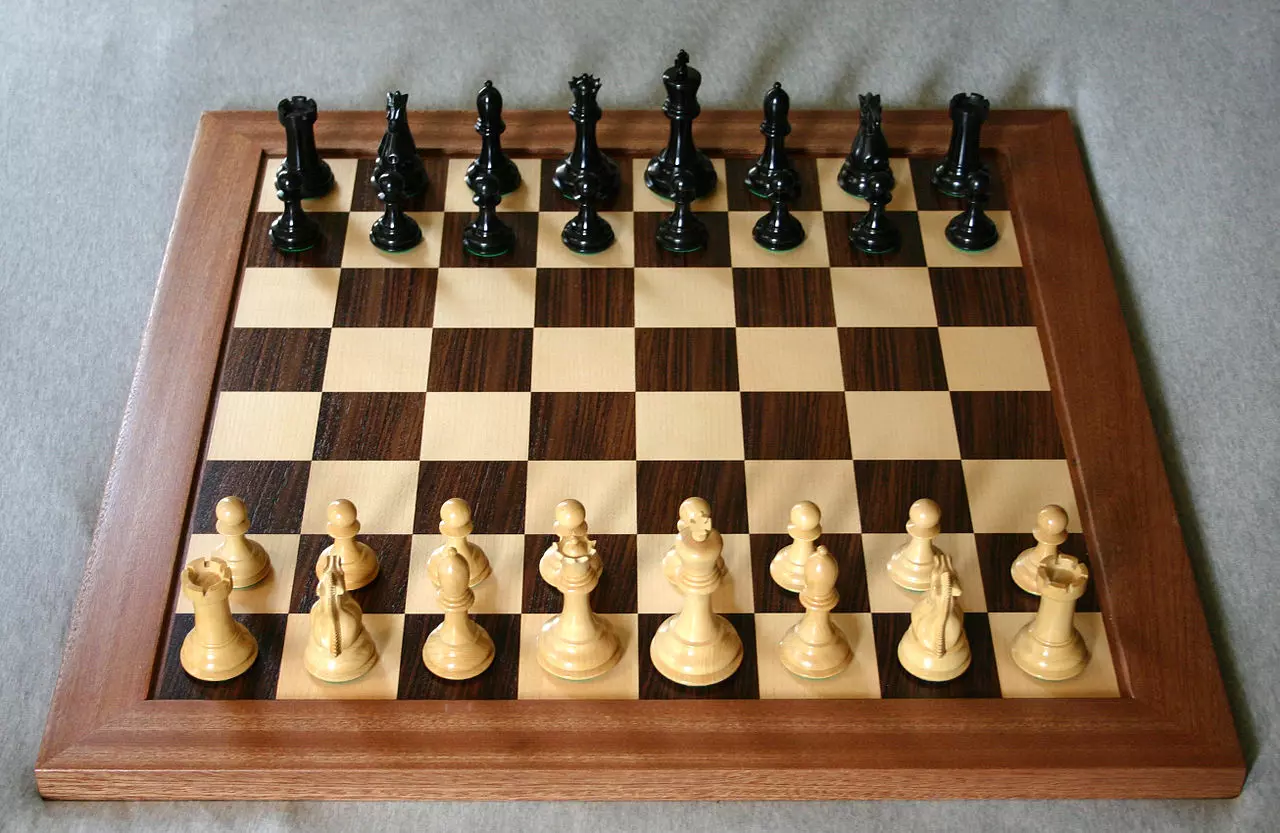
Schools today realise children are dependent on their devices for various kinds of entertainment, for help with their studies and of course to communicate, so the onus is on them to wean students away: here too, it is back to Nature. In order to keep children away from video games, traditional games such as kho kho, hopscotch, hide and seek, blind man’s buff and indoor games like carrom are being resurrected. Chess and table tennis have always remained popular, but unfortunately many of the sports and games are pursued for competitive reasons and for older students to enrich their CVs for the all-important college applications.
As far as studies are concerned, no matter how many new teaching-learning methods come up, we tend to go back to the old and trusted strategies such as drill and practice, mental mathematics, free-hand drawing, map reading, and so on. We must also understand that technology failure can happen: your GPS can give up on you, your calculator can malfunction, your TV can go on the blink but we cannot afford to stand around acting helpless. So, at times we need to resort to old practices and depend on our own mental faculties.
Talking of adopting old methods and practices, the current war between Iran and the United States illustrates how Iran has been using age-old war strategies while confronted with modern and sophisticated weaponry. The control of the Strait of Hormuz is effectively restricting essential supplies as blockades used to do.
Asymmetric warfare, proxy war, diffused fighting and endurance are helping Iran in the conflict with the US, rather than conventional warfare with modern weaponry. In this context I am reminded of Churchill. He said that he did not know whether there would be a Third World War, but if there was one, the Fourth World War would be fought with sticks and stones. Churchill implied that the weapons of the 20th century were so lethal that, if used seriously, there would be untold destruction and man would have to start all over again.
Going back to the old and familiar is a widespread and ever-present phenomenon. Retro food items, retro music and retro gadgets and gizmos not only feed nostalgia but may enhance our lifestyles. All I can say is that if children, as well as adults, adopted some yesteryear courtesies and manners, including refinement of language, society would seem less crass and boorish.
The writer is a veteran school educator based in Kolkata