Chandrakant Lahariya | Poliovirus Which Was Left In Sewage Only A Warning, Not A Panic Signal

This is why the Ghaziabad episode must be read as a surveillance success. Poliovirus is shed in stool and can therefore be detected in wastewater before any child presents with paralysis. Environmental surveillance gives public health authorities an early warning system, especially in dense urban settings where the virus may circulate silently
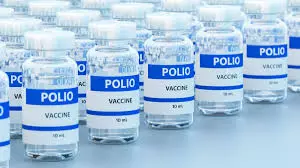
On June 9, 2026, the local health authorities in Ghaziabad district of Uttar Pradesh reported the detection of vaccine-derived poliovirus type 1 (VDPV1) in a sample from a sewage treatment plant. This is precisely the kind of event for which India’s poliovirus wastewater, or environmental, surveillance system was designed. India has remained free of wild poliovirus since January 13, 2011, and was certified polio-free by the World Health Organisation’s Southeast Asia region in 2014. While this report may sound unsettling, it should not be misunderstood. This is not wild poliovirus, but vaccine-derived poliovirus, and that distinction is central to public interpretation and the policy response.
Wild poliovirus is the naturally circulating virus that once paralysed thousands of Indian children every year. Vaccine-derived poliovirus, or VDPV, has a different epidemiological meaning. It can emerge when the weakened live virus used in the oral polio vaccine circulates for a prolonged period in under-immunised communities, mutates over time, and reacquires the capacity to cause disease. In a well-immunised population, the vaccine virus does not get such an opportunity, because transmission chains are quickly interrupted. Therefore, the detection of VDPV in sewage does not indicate that India is facing an imminent wild polio outbreak. It indicates something more specific and actionable: there may be pockets of unvaccinated or inadequately vaccinated children in the catchment population.
This is why the Ghaziabad episode must be read as a surveillance success. Poliovirus is shed in stool and can therefore be detected in wastewater before any child presents with paralysis. Environmental surveillance gives public health authorities an early warning system, especially in dense urban settings where the virus may circulate silently. India began systematic wastewater surveillance for poliovirus in Mumbai in June 2001 and in Delhi in May 2010, making it one of the early adopters of such surveillance in Asia. This system complements acute flaccid paralysis surveillance, which monitors sudden onset of weakness or paralysis among children and has long been the backbone of polio eradication work.
India’s experience shows why such vigilance remains indispensable after certification. Wild poliovirus was last detected in Indian sewage in Mumbai in November 2010 and in Delhi in August 2010, shortly before the country recorded its last clinical wild poliovirus case in Howrah, West Bengal, in January 2011. Since then, India has retained its polio-free status, but the surveillance system has continued to pick up signals that require immediate response. Vaccine-derived poliovirus has been detected in sewage in the past, including in Kolkata in April 2022 and later in 2024 in West Garo Hills of Meghalaya state, leading to intensified vaccination and investigation drives. Such detections are not unusual in the final phase of polio eradication; they are reminders that absence of clinical disease is not absence of risk.
The global environment reinforces the need for continued caution. Wild poliovirus Type 1 remains endemic only in Pakistan and Afghanistan. Pakistan has continued to report both clinical polio cases and poliovirus-positive sewage samples in recent years, reflecting persistent transmission in difficult political, security and social environments. India shares historical, geographic and migratory linkages with the region, and its internal migration flows, seasonal labour movement, religious travel and dense informal settlements create conditions in which any lapse in immunisation coverage can become consequential. This is one reason the World Health Organisation and the Global Polio Eradication Initiative continue to treat the international spread of poliovirus as a Public Health Emergency of International Concern.
The standard response to such a detection is well established and should be implemented with administrative seriousness but without public panic. The immediate priority is intensified door-to-door vaccination in the affected catchment areas, with special attention to children under five whose immunisation status is incomplete or uncertain. Health workers must verify records, identify missed children, and vaccinate wherever required. Repeat sewage sampling is essential to determine whether the virus has disappeared or continues to circulate. Genetic sequencing should clarify its lineage and whether the finding represents recent vaccine-virus shedding, prolonged circulation, or a complex transmission chain. Acute flaccid paralysis surveillance should also be strengthened in hospitals, clinics and communities to rule out any clinical case.
The Ghaziabad VDPV1 detection also points to a larger structural concern in India’s urban health governance. The areas served by a sewage treatment plant are not merely geographic units; they are social maps of vulnerability. Fast-growing cities such as Ghaziabad have large migrant populations, informal housing clusters, unregistered settlements and mobile families who may be missed by routine immunisation services. These are not usually communities that reject vaccination. More often, they are inadequately reached by public systems, municipal planning, primary care networks and trusted communication. The finding of VDPV in sewage is therefore not only a virological event; it is also an indictment of the unevenness with which urban India delivers basic preventive health services.
India’s polio-free status has been maintained not by good fortune, but by a sustained, expensive and administratively demanding public health effort. The lesson from Ghaziabad is not that polio has returned, nor that the eradication programme is at great risk. The lesson is that eradication is not a certificate framed on a wall; it is a daily discipline. As the memory of polio fades, the temptation will be to treat vaccination campaigns as routine, surveillance as technical housekeeping, and missed children as statistical residue. That would be a serious mistake. The detection in Ghaziabad’s sewage should be seen for what it is: an early warning produced by a functioning system, and a reminder that India’s achievement against polio will remain secure only if every vulnerable child is reached, every signal investigated, and every complacency resisted.
Dr Chandrakant Lahariya is a practicing specialist in “preventive and cardiometabolic medicine” and an expert in vaccination and health policy. He has worked with the World Health Organisation and the UN System for nearly 18 years.