Bhopinder Singh | A Role With Spine: Rethinking What a ‘Figurehead’ Can Do in Today’s Age

Monarch and President differ, but both shape politics within constitutional limits
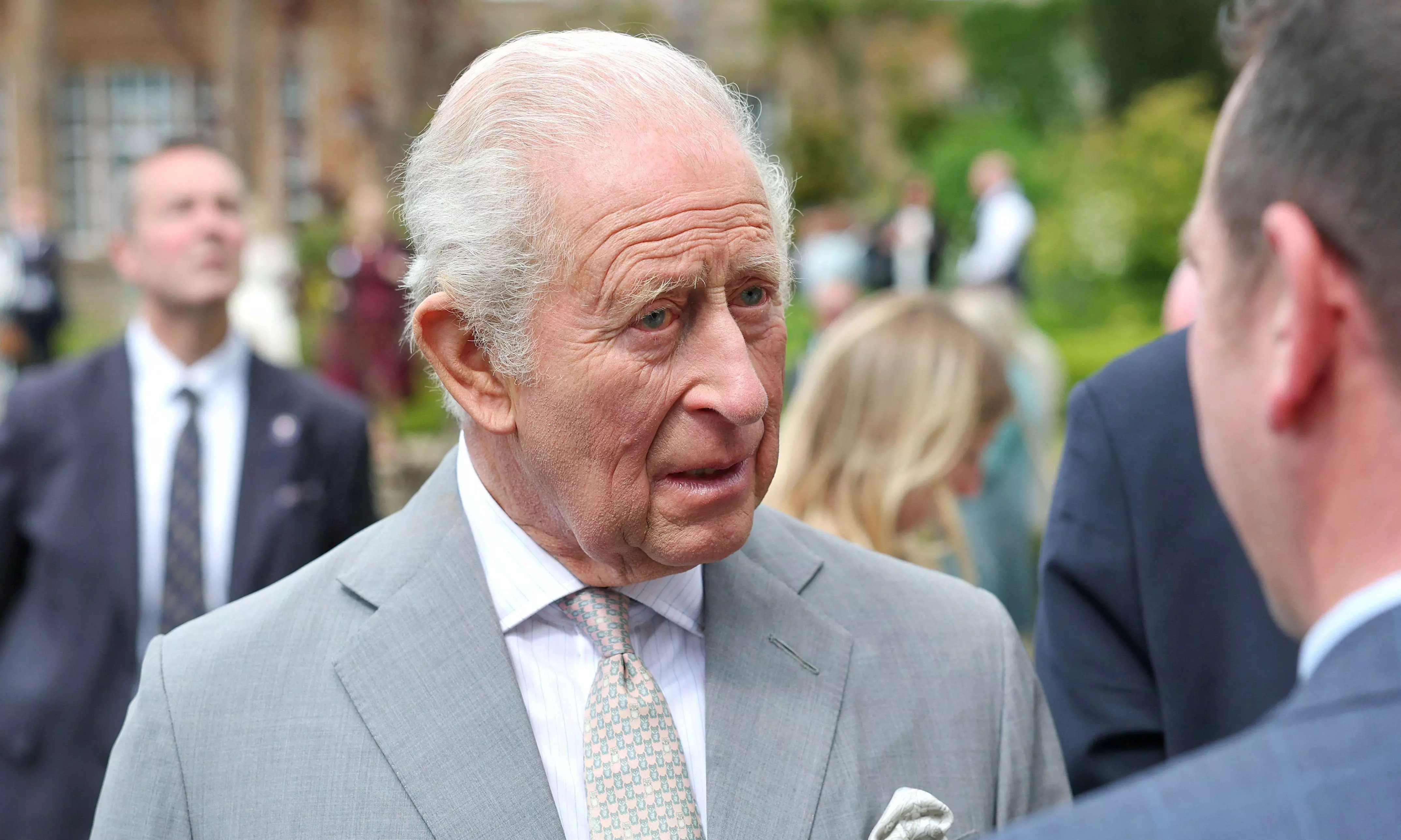
Both India and the United Kingdom follow the Westminster parliamentary model, but they adapt it in different ways. The former is a parliamentary republic, while the latter remains a constitutional monarchy. Britain’s head of state is a member of a hereditary royal family, while India’s President, otherwise known as the Rashtrapati, is elected for a five-year term by the country’s legislators. Both forms of government ensure there is a separation of the ceremonial head and the political executive. Both the British monarch and the President of India act on the “aid and advice” of the Prime Minister and the council of Ministers on almost all matters of state. They are also expected to remain above partisan and day-to-day politics, and they come from very different constitutional designs and levels of discretion. Essentially ceremonial and symbolic, their restrained positions as heads of state elicits much curiosity about their personal preferences and concerns, beyond the measured ways of their conduct.
King George III (1760-1820) was an unusual monarch who tried to shape national policies against government direction, such as by supporting control over the American colonies and backing military resistance or his opposition to Catholic emancipation.
King William IV dismissed the Whig government, even though it still had significant parliamentary support. Later, Queens Victoria and Elizabeth II were to have their own instances of strong personal concerns to the discomfiture of their respective Prime Ministers -- such as during the weekly meetings of Queen Elizabeth II and Margaret Thatcher. In the Indian context too, there have been instances of tense reactions by the likes of Dr
Rajendra Prasad, Giani Zail Singh, Dr A.P.J. Abdul Kalam, among others. But perhaps the Rashtrapati who used the constitutional discretion of his office most visibly was the distinguished man of letters, K.R. Narayanan. He remained the most publicly engaged to shape the moral and constitutional voice of his office, while operating within what he himself called the “four walls of the Constitution”. Whether an individual chooses to remain the proverbial “rubber stamp” or asserts himself or hrerself as the highest conscience-keeper of the nation, mostly depends on the individual and not on the institution.
A clear sign of the level of positive engagement was the extent of any personal view expressed by either the British monarch or the President in India, beyond being simply a “mouthpiece” for government policies. While both positions are often limited by drafts of speeches written by their respective governments – such as the King’s Speech at the State Opening of Parliament or the President’s address under Article 87 of the Constitution of India -- they do have the option to express themselves in other platforms, occasions and informal speeches in the country or abroad. They also have the option to express concerns privately with their respective Prime Ministers on matters concerning the welfare of citizens or matters of governance -- such as Queen Elizabeth II’s uncomfortable questioning of Prime Minister Harold Wilson on the looming economic-industrial unrest, or K.R. Narayanan’s private letters to Prime Minister Atal Behari Vajpayee following the 2002 communal riots in Gujarat. At such critical junctures of a nation’s history, the monarch or the Rashtrapati has thankfully chosen to be the primary voice with editorial control, and not just a passive reader.
Recently, Britain’s King Charles III delivered a carefully crafted and loaded address to the US Congress that got spoken about what all was implied, beyond the platitudinal pleasantries. It was an unusually political and topical speech, though delivered in trademark English humour. It was replete with subtle rebuttals, such as underlying the importance of Nato, Ukraine and warnings of isolationism. Mention of the Magna Carta, with its implicit referencing to institutional checks and balances, was very tellingly and cleverly delivered. As indeed was the King’s own love for Britain’s recently-mocked Royal Navy by President Donald Trump. Clearly, beyond the charm offensive and opening jokes like “I’m not here as some kind of cunning rearguard action!”, King Charles was on a mission to land some strong counter-messages to the unhinged Trump administration. It was refreshingly candid with its blink-and-you-miss-it references to the Jeffrey Epstein files, with his wording to “support victims of some of the ills that, so tragically, exist in both our societies today”. By the end of the speech, perhaps the stifled voices of the American Opposition were on their feet to applaud King Charles III, a lot more enthusiastically than the folks from the Trump administration.
It’s obvious that the speechwriters were amply clear on the task to be achieved with the carefully calibrated speech by the King. More important, this task would have had King Charles III’s unequivocal and complete concern underwritten and endorsed by himself.
While it would have been a collaborative effort between Ten Downing Street, Buckingham Palace and the Foreign Office, it was pleasantly and unusually practical and political. By the end of the speech, the entirety of the selfish vibe surrounding the “America-First” spiel was put to question, not by the executive office of the British PM, but by the ceremonial head of state. However, this could only be possible as King Charles is known to take active interest in contributing to ideas, themes and personal reflections, while working with a team of professional speechwriters and government officials. It’s the same spirit of contributing to constitutional morality or national diplomacy that drove a President like K.R. Narayanan to stay awake late at night to improvise, add, and layer the text of a governmental draft, before delivering the same.
The writer is a retired lieutenant-general and a former lieutenant-governor of the Andaman and Nicobar Islands and Puducherry