Anita Anand | The Other Side Of Travel: Could We Choose To Opt Out Of The Tourist Trap?

Travel, we are told, is a great way to explore different countries, people, and cultures, and to learn about them
Planning a trip? Checking off your bucket list? Feeling FOMO (Fear of Missing Out)?
Take a moment and ask yourself: Do I truly need to go on this trip? Why do I have a bucket list? What have I, or might I, be missing? What am I trying to escape from?
Travel, we are told, is a great way to explore different countries, people, and cultures, and to learn about them. Once, it was a magical experience. Over the past 40 years, with increasing globalisation, the Internet, and social media, every experience is now shared on screens, small or large. Not much has changed or is new.
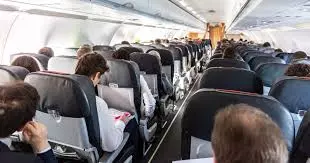
Travel feels less magical than it once was, especially when it comes to airline travel.
Flights are crowded, seat spaces have shrunk, and the processes of booking, check-in and flying are quite stressful. Upon arrival at your destination, most hotels look similar, and the food is often quite familiar. If it’s not familiar, then it’s too unfamiliar. Vegetarians, vegans, and others with dietary restrictions often complain about the lack of choices. On the ground, if you have booked through a travel agent, there is a chance that you may not receive the tour you booked or pay what you expected. Sometimes, local language, food and customs can be challenging to understand and adapt to.
Many tourists have enjoyable and memorable experiences, but they are uncommon. When expectations are high, satisfying them can be difficult. Luckily, both good and bad memories fade into the back of our minds.
Among other factors, tourism can be sparked by a bucket list or the fear of missing out (FOMO). A bucket list is a record of experiences people wish to achieve before they die. Fear of missing out (FOMO) is an anxiety that an exciting or interesting activity might be happening elsewhere, often caused by social media posts. If people had these experiences, could they die with peace of mind? Or be happier? It’s hard to tell.
The most critical issue in travel today is overtourism. Coined around 2016, it’s a buzzword referring to the overcrowding of tourists in a holiday destination. The term was added to the Oxford Dictionary in 2018 and was named the word of the year. It asks: Is this place affected by more tourists than it and its inhabitants can support? The answer in most cases is a resounding yes.
Current tourism trends, which contribute to overtourism, are influenced by mass culture, where travellers choose destinations based on social media, influencers, TV shows and movies. Instagram and selfie tourism (it’s a thing!) happen when an area experiences an increase in visitors due to social media exposure and others’ desire to replicate the images they have seen on Instagram or TikTok.
Studies conducted in 2018 and 2023 show that social media exposure influences tourism and is linked to conspicuous consumption. Overtourism causes conflicts with locals, who often see tourism as disruptive and burdensome. Additionally, tourists frequently find the crowds, of which they are part, annoying.
How significant is the tourism industry? Over 1.4 billion people travel worldwide each year, a number that is rising quickly. The World Tourism Organisation predicts that by 2030, the international flow of tourists will exceed two billion.
The global tourism market, that was valued at $12.4 trillion in 2023, is now expected to reach $23.1 trillion by 2032. Rising living standards and increased mobility drive market growth. Governments worldwide invest in tourism infrastructure and marketing to attract international visitors, thereby boosting the sector by improving the accessibility and appeal of travel destinations.
It is becoming increasingly difficult to challenge the growth of tourism and overtourism. Experts forecast that increased global mobility and rising disposable incomes will expand the market, as tourism offers substantial opportunities for economic development and job creation, making it one of the world’s largest economic sectors. They claim it generates revenue, promotes cultural exchange, fosters peace and helps preserve natural and cultural heritage. But does it? Is the world truly a more peaceful place because of tourism? Are natural and cultural heritages genuinely being preserved, or are they being destroyed?
India’s tourism and hospitality sector is projected to generate revenue exceeding Rs 5,12,356 crores ($59 billion) by 2028, and Foreign Tourist Arrivals (FTAs) are expected to reach 30.5 million by that year.
Although there is awareness, serious debate and some consensus about sustainability and environmental respect in travel and tourism circles, it is minor compared to the rapid growth in the number of travellers and environmental degradation. Citizens in countries and cities have actively protested against tourism, and in response, limited policy safeguards have been implemented. Governments are aware of the financial benefits that tourism offers. Examples of safeguards to protect the ecological balance of tourist sites include introducing ticketing systems and fines for misconduct, booking in advance for popular attractions, and requiring upfront deposits for entry to countries and tourist sites.
However, this is just a drop in the ocean in the fight against overtourism fever.
Let’s ask a more relevant question: Why do we want to be tourists? What will the tourist experience do for us? Will it make us happier, more content? Will we become better human beings -- more understanding, forgiving, and peaceful? The growing discontent, anxiety, depression, wars and conflicts among us suggest otherwise.
The Zen Buddhists remind us that the way out is within. By understanding ourselves, we move closer to understanding the world around us. Can we choose to be responsible tourists and visit areas where the ecological balance is fragile, and the ecosystem’s capacity is not exceeded?
Or choose not to be tourists at all? The call is ours.
The writer is a development and communications consultant