Anil Tyagi | Lateral Entry: Great Talent Hunt vs The Constitution

The so-called lateral entry model, which envisaged hirings by the department of personnel and training (DoPT) to outsiders, rather than via state IAS and allied cadres, sidestepped a crucial component of the Constitution, i.e., reservations for Scheduled Castes, Scheduled Tribes and Other Backward Classes
It was a convincing experiment borrowed from the West, especially the US of A. Civil services in most nations was on shaky grounds: too bureaucratic, too rigid, sometimes more powerful than the legislature as was reflected in British series like Yes Minister and Yes Prime Minister, and a bit rusted as well as corrupt. Like the White House, Raisina Hill decided to follow suit, and recruit the so-called technocrats, the specialists from the outside, especially the private sector, into government’s top ranks. Such expertise, skills and efficiency would obviously break the stranglehold of the civil services, and inject it with fresh, hot, and boiling blood. But, alas, like most decisions with grand intentions, this one too ran into a giant, seemingly insurmountable obstacle, the Indian Constitution.
The so-called lateral entry model, which envisaged hirings by the department of personnel and training (DoPT) to outsiders, rather than via state IAS and allied cadres, sidestepped a crucial component of the Constitution, i.e., reservations for Scheduled Castes, Scheduled Tribes and Other Backward Classes. An administrative reform became a political minefield. It was not just the numbers. It was the arithmetic and calculations too, along with a mind-blowing complexity. According to the 2011 Socio-Economic Caste Census, there are more than 46.7 million castes, with different names and spellings. It was a stark reminder that reservations were a ticking appointment-bomb, which could explode in the face of any neutrality-based administrative appointment mechanism.
The Union Public Service Commission (UPSC) was forced to withdraw a major recruitment notification, which exposed the inevitable collision between market-driven talent hunt and constitutional equity. There was no option but to press the pause button. DoPT extended the tenures of 17 government officials, which will go on till late 2026 and early 2027. Among the joint secretaries who benefited are Balasubramanian Krishnamurthy in revenue, Samuel Praveen Kumar in agriculture, and Manish Chadha in commerce. Directors and deputy secretaries including Govind K. Bansal, Sagar Rameshrao Kadu, Mandakini Balodhi, Kapil Ashok Bendre, Shekhar Chaudhary, Neeraj Gaba, Hardik Sheth, Bidur Kant Jha, Gaurav Kishor Joshi, and G. Sarathy Raja across several ministries.
A via-media was found, standalone recruitment, which wriggled around reservations, and could be done without attracting attention. Yet, the lateral-entry experiment received another traumatic blow. It sadly struggled to retain the talent it was designed to attract. Rigid government pay scales, limited increments, uncertain performance rewards and friction derailed the aspirations of private-sector aspirants.
Rajasthan’s trio: One throne, two viziers
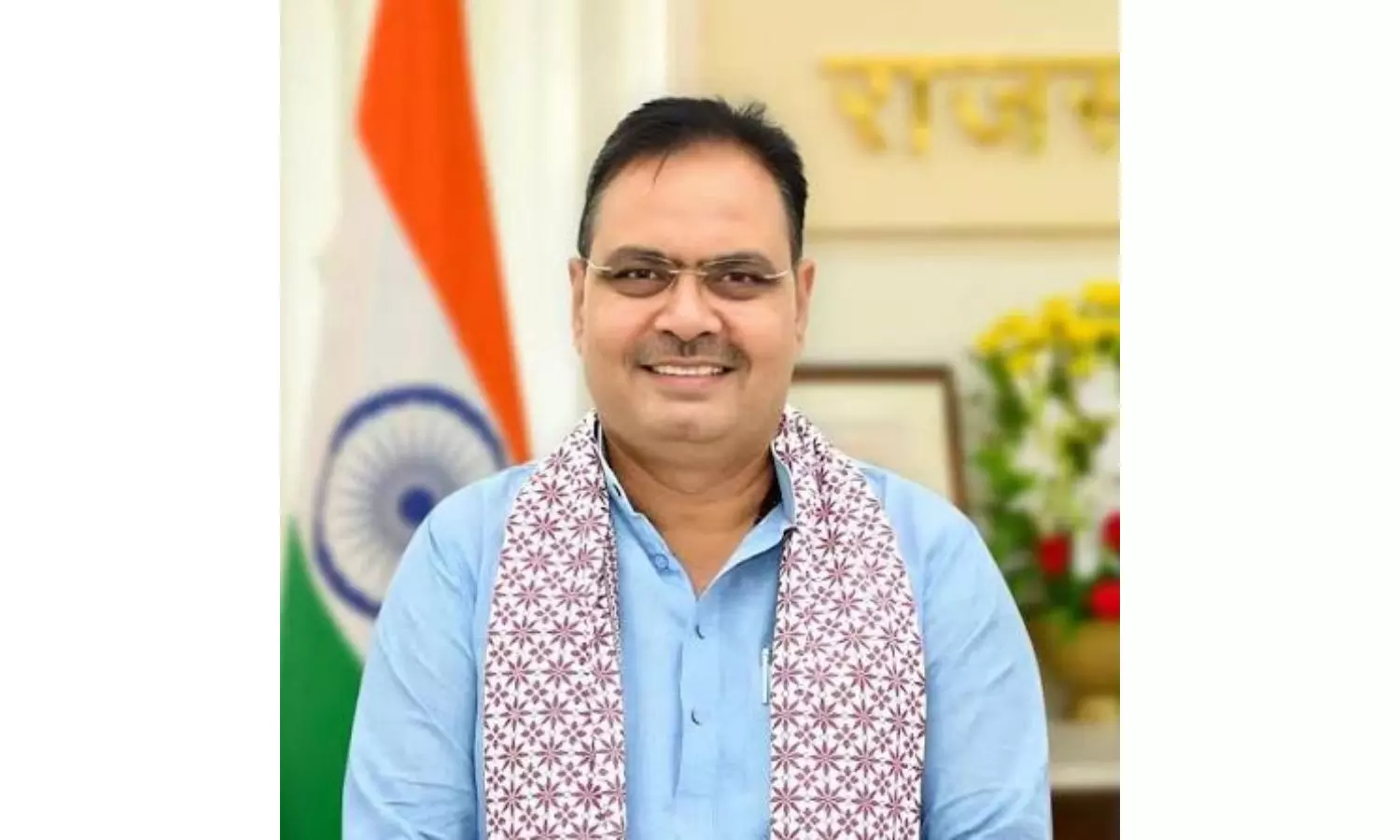
In the strange theatre of Indian politics, like in a true democracy, anyone can rise from the deeply lows to superlative heights. This, in short, is the story of Bhajan Lal Sharma, the Rajasthan chief minister. He has deep RSS roots, and spent decades as a BJP worker, thrice as district president of the youth wing, and as the party’s state vice-president, and general secretary. At 27, he became the sarpanch of his village, Atari. In 2023, he entered the Rajasthan Assembly for the first time and, within days, became the chief minister. He is believed to enjoy the tacit backing of Union Home minister Amit Shah. Bhajan Lal’s two trusted lieutenants, his viziers, effectively run the state. V. Srinivas, the 1989-batch IAS officer, is chief secretary, and received an extension till February 2027. Akhil Arora, the 1993-batch troubleshooter, is the additional chief secretary in the chief minister’s office, the second-most powerful post. Together, with the blessings from the ‘king’, the trio dismantled old camps, repositioned experienced officers, and forged a new alignment that depended on delivery, investments, and centralised control. Until now, things proved to be smooth, too silken. Now comes the real test: ongoing elections to 309 urban local bodies, including 10 municipal corporations (September 9 and 11). There is another challenge. The OBC Commission’s new survey has reduced the percentage of these castes from the oft-believed 52 per cent to 43-45 per cent, or an overall reservation closer to 19 per cent, rather than the expected 21 per cent. Although the full report remains unpublished, the anger is simmering. Bhajan Lal’s future seems unsteady. Although he is the de jure chief minister, the de facto authority rests with his two lieutenants, and Mr Amit Shah.
Foreign ambassadors go beyond briefings
Diplomats posted in New Delhi are currently on a limb. After the Gen Z movement in July, subsequent political turbulence and the government’s efforts to connect with the youngsters, the foreign ambassadors do not know where to seek credible and insightful information. Confronted with restricted access and official narratives they do not entirely trust, they have turned towards traditionally unreliably reliable sources, the Indian media. Outgoing German ambassador Philipp Ackermann, former UK National Cyber Security Centre chief Lindy Cameron, UK high commissioner, outgoing Swedish ambassador Jan Thesleff and Australian high commissioner Philip Green reportedly engaged Delhi’s media through interactions, dinners and personal conversations. Their questions were loaded. What happens now? What are the options before the government? What will happen in forthcoming state elections in 2027? Their obsessive interest is in Uttar Pradesh, and the future trajectory of chief minister Yogi Adityanath. To add to the mysteries and intrigues, there is a buzz, both within the political and media circles, about the recent dinners hosted by the US ambassador Sergio Gor, possibly the most powerful and connected diplomat in the Capital.
The writer is a senior journalist and alumnus of the Delhi School of Economics. He is the editor of gfiles, India’s first magazine on civil services and governance. @AnilTyagilive.