Airlines can quote domestic fares six or seven times their normal levels on the pretext of dynamic pricing.
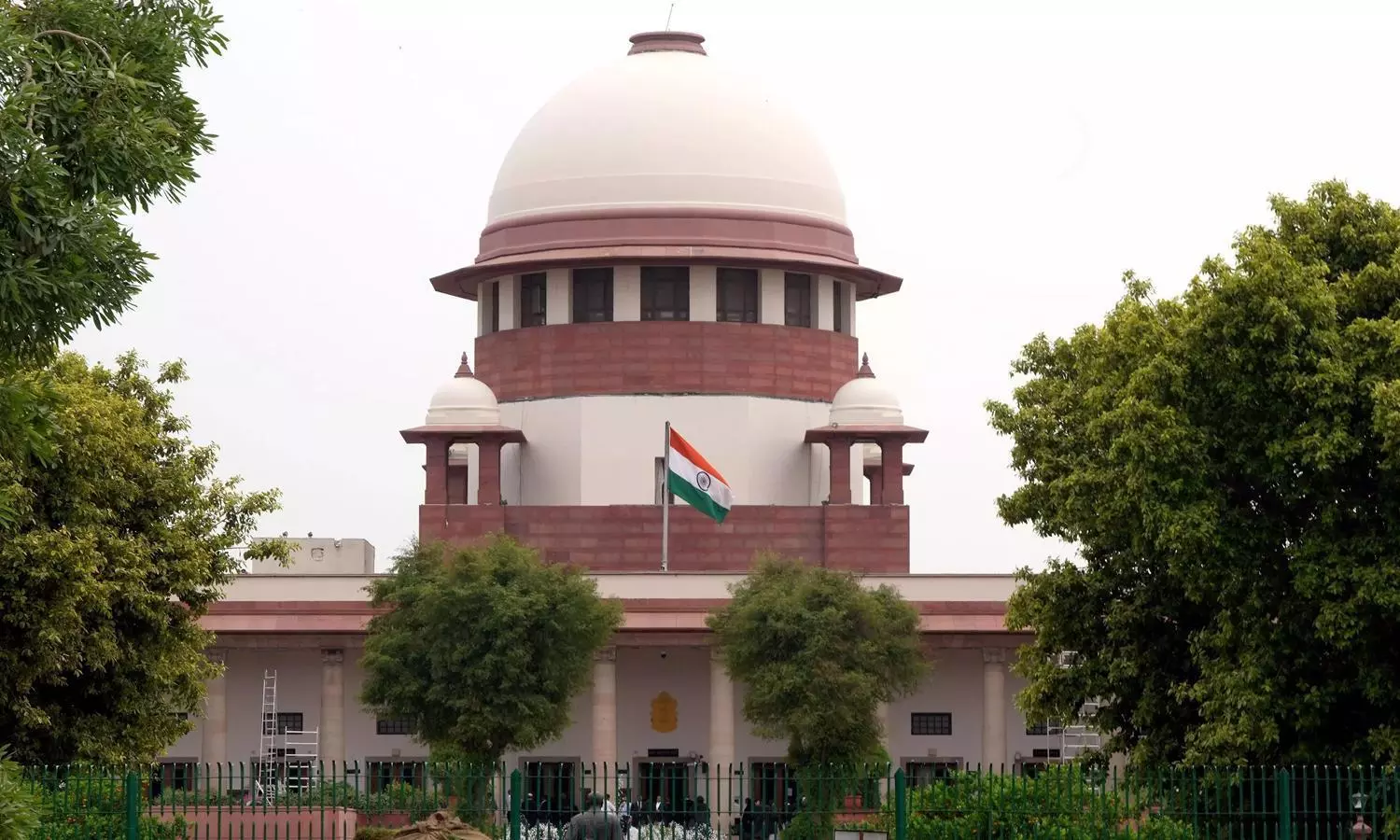
The Supreme Court’s refusal to an urgent hearing against exorbitant airfares during the Diwali season has brought into focus a disturbing reality: Airlines can quote domestic fares six or seven times their normal levels on the pretext of dynamic pricing.
Reacting to a plea for hearing an interlocutory application (IA) filed in a one-year-old writ petition on the same subject, a Supreme Court judge quipped, “Don’t travel by air.” Yet, according to the IA filed in the Supreme Court, a Delhi-Kolkata ticket is priced at Rs 78,694 against a normal fare of around Rs 10,500 — an increase of nearly 650 per cent. While dynamic pricing is an accepted practice worldwide, it does not mean that the government leaves airlines entirely free to charge whatever they please. A survey of airfare pricing in the seven largest countries in the world shows that India is the only country that reported nearly 650 per cent rise in airfare during the festive season.
Compare this with the United States where an academic study found that holiday airfare premiums ranged between 4.3 per cent and 83.1 per cent. In the EU, the festive surge hovered between 20 per cent in Hungary to 170 per cent in Portugal. China maintains government-guided pricing on designated routes and economy class while allowing market-based fares elsewhere. Australia monitors airline prices, costs and profitability through its competition regulator, while Brazil collects actual ticket-sales data and investigates suspected anti-competitive pricing practices.
The aviation industry may argue that high peak-season fares compensate for lower prices during lean periods. But last year, the Supreme Court disapproved of exploitative prices during Kumbh Mela and threatened to intervene if the Central government did not frame a new policy. Though the government has come up with new aviation rules, the Bharatiya Vayuyan Niyam, 2026, which will come into force from January 1, 2027, the Rule 135 of the Aircraft Rules, 1937, empowered the Directorate General of Civil Aviation to act against excessive or predatory tariffs.
Airlines are entitled to reasonable profits, of course, but not immunity from scrutiny. Therefore, they should submit detailed information on actual ticket prices, booking patterns, seat availability and operating costs. The regulatory mechanism should monitor route-wise fares, identify abnormal increases and investigate whether pricing algorithms are operating within a reasonable range. The government should ask airlines to announce an upper limit for the surge price.