Then the author walks the reader through the months preceding the attack to get an idea of how it occurred. Second, it’s from the point of view of the average citizen, the citizen whom neither the attacker nor the regime cares about, but who has to learn to survive the pain and shortages and inflation brought about by both
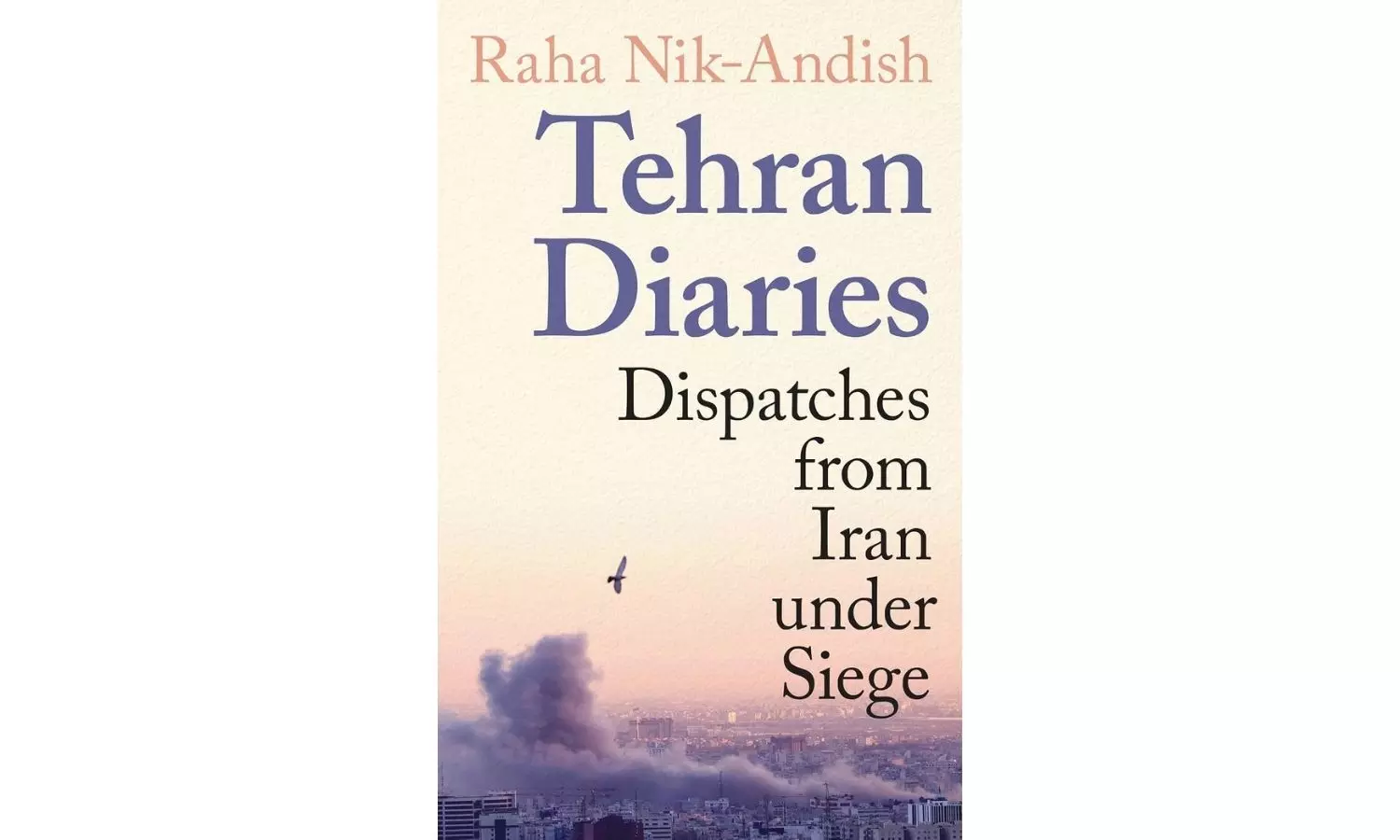
Two matters strike the reader of this slim book as unique right from the beginning. First, this book goes backwards in time. It starts with the death of Ayatollah Ali Khamenei in Operation Epic Fury in February 2026, and the aftermath in the suburbs of Tehran: the brief, muted celebration and the savage response to that from the intelligence agency, the Basij. Then the author walks the reader through the months preceding the attack to get an idea of how it occurred. Second, it’s from the point of view of the average citizen, the citizen whom neither the attacker nor the regime cares about, but who has to learn to survive the pain and shortages and inflation brought about by both.
There are, of course, disturbing questions about the book itself. How did the author smuggle this material out of Iran, what with the Internet down and physical movements being monitored by a bunch of most fanatic and sadistic law enforcement agencies in the world? The name is a pen-name: the author’s name remains secret. But then, there are personal details in the book that might hint to the regime who he might be. In the book is a story of a friend of the author whose teenage son was arrested by the Basij, his cellphone confiscated, and himself imprisoned for having messages on his phone supporting the Woman protests. In the course of getting his son out of trouble the friend discovers that the intelligence agencies have agents going through the crowds wearing watches with cameras in them, recording faces and actions...
The author is a guest lecturer at university. Guest lecturers are paid 35,000 tomans, roughly 35 US cents, per hour. Full-time lecturers, on the other hand, get the equivalent of roughly $300 to $400 a month, which is still not enough. He has to supplement his income from teaching by working as a part-time driver for a taxi aggregator, Snapp!. Driving a cab puts him in touch with passengers, from whom he acquires new stories, points of view.
As the threat of war increases, so does inflation, and so do hardships. And so does the role of the Basij in day-to-day life, culminating, soon after the beginning of the war, in violence by the Basiji themselves: a passenger in the author’s cab laughs at a group of Basiji after the death of Khamenei, resulting in the cab’s windows being smashed and the passenger being arrested.
In-between, the author meets an old flame, Laila, who now has a government job. From her, he understands how conservative a candidate must be to hope to get any such job: Laila, once a relatively free spirit, now conforms in matters of dress and speech. Survival matters more than freedom.
From these conversations, he learns that one of the constants in Tehran is the government’s playing with history. He learns too that it doesn’t work: “The state has built the billboards but the billboards have not rebuilt the state. We live in a state of uncertainty, exhaustion and psychological fracture.”
The two darkest notes, however, come at the end — or, if you look at it chronologically, at the beginning. First, his father dies in a hospital, and is buried in a cramped plot with others of the family because plots are expensive: graves have become an investment. And, second, a cemetery worker who washes bodies sells the eyes of those recently deceased to those in need...
Tehran Diaries: Dispatches from Iran under Siege
By Raha Nik-Andish
Hachette
pp. 90; Rs 250/-
