According to Delhi police officials, two separate FIRs have also been registered against the Al Falah University over alleged irregularities flagged by the UGC and NAAC.
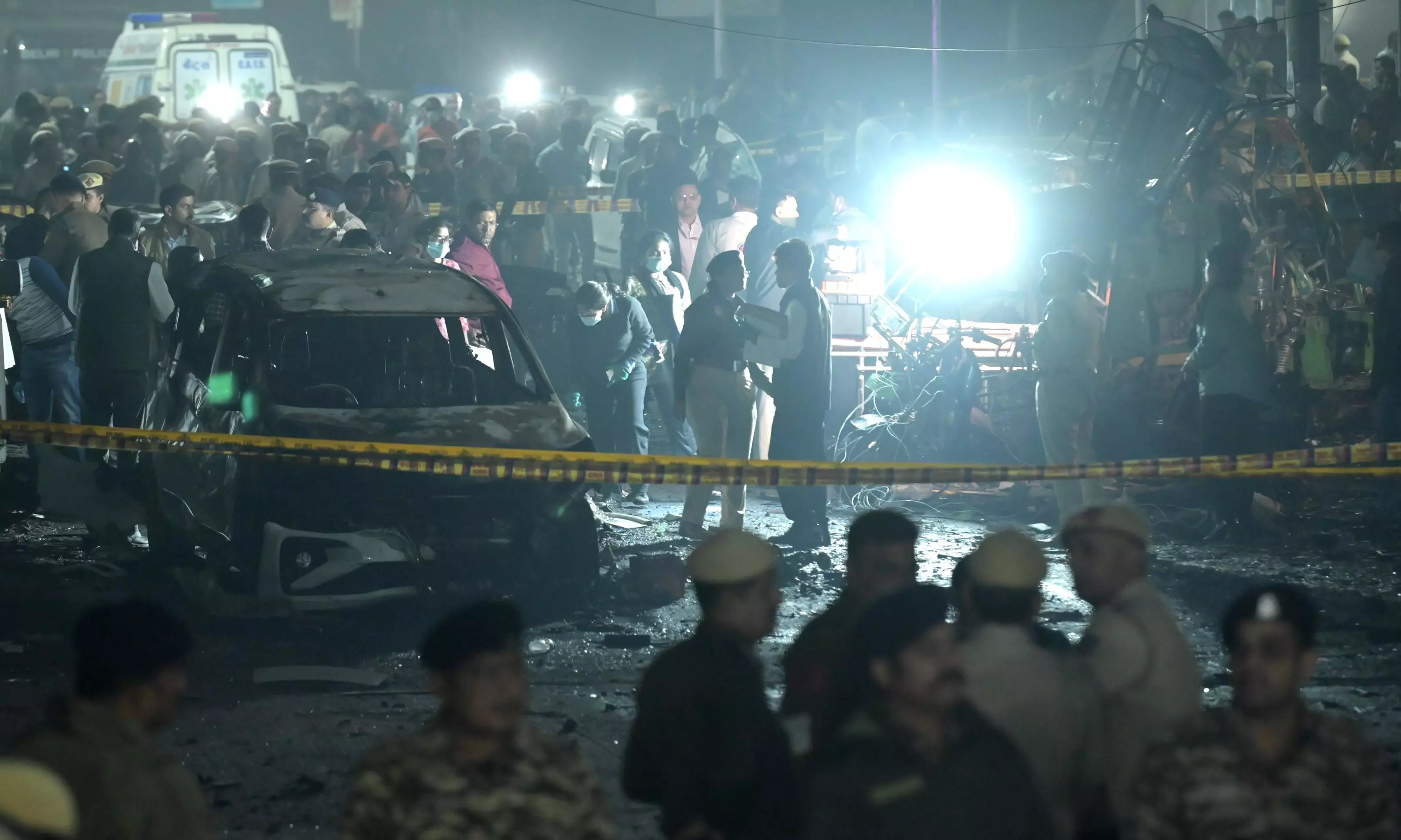
New Delhi: Despite Muhammad Yunus’ interim government denying involvement of Bangladesh and use of its soil in the Delhi’s Red Fort blast on November 10, the Indian security agencies are increasingly getting evidence pointing towards Dhaka’s role. Meanwhile on Saturday, the Delhi police detained three people, including two doctors from Haryana's Al Falah University, in connection with the Delhi blast.
According to Delhi police officials, two separate FIRs have also been registered against the Al Falah University over alleged irregularities flagged by the UGC and NAAC. The detentions and fresh criminal cases come amid an escalating multi-agency probe into the Red Fort blast that claimed 13 lives and the activities of individuals linked to the university.
While tracking the terror trail, the Indian agencies have discovered that the threads of the Delhi blast are deeply interlinked between Pakistan and Bangladesh. The agencies are focusing on the recent meeting of Lashkar-e-Tayyaba (LeT) top commander Saifullah Saif with Bangladeshi government officials and terror operatives just days before the blast.
Days before the Delhi blast, Pakistan-based Saif virtually attended a meeting arranged at Banani, an upscale locality in Dhaka, in the last week of October. While Saif attended the meeting virtually from Pakistan, seven persons attended the meeting physically in Bangladesh. These were Dhaka head of banned Islamic group Hizb-Ul-Tahrir (HuT) Zubair Ahmad Chaudhury; Saif’s right hand and general secretary of Markaazi Jamiat-Ahl-e-Hadis Ibtisam Elahi Zaheer; Bangladesh’s interim regime secretary home affairs Dr Nasirul Ghani; CEO of Dhaka North Corporations and HuT coordinator Mohammad Azaz; up-pradhans of militant group Ansarullah Bangla Team (ABT) Hafiz Shujadullah and Hafiz Ali Fazul and explosive expert Sumon Ahmed.
During the meeting Saif gave operational directions to the team on carrying out large-scale terror attacks in India and the support they were to get from Pakistan-based LeT. However, what was surprising was the presence of Bangladesh government officials Mr Ghani and Mr Azaz, both civil servants, in the meeting as Saif discussed plans with them to work in tandem.
As per sources, after the meeting, a team along with explosive expert sneaked into India through Murshidabad in early November with the task of training people in West Bengal and other parts of the country to carry out terror attacks.
In Murshidabad they were all believed to be put up in the safe house of one Iqtiyar, a Bangladeshi national accused in the murder of his country’s detective branch officer and on the run. He has a safe house in Murshidabad which is regularly used by the ABT members. Sources said Iqtiyar’s role so far was limited to logistics and providing accommodation for those who came from across. However, Indian agencies are checking for his larger role and link with the Delhi blast.
According to sources in the agencies, some supplies from Pakistan too had reached West Bengal and were likely used in the Delhi blast. The investigating agencies have already reached Murshidabad while tracing the terror trail and have launched a manhunt for the people who have crossed over to Murshidabad in India through Rajshahi in Bangladesh.
Security agencies said it is not a coincidence that 10 days before the Delhi blast, Saif, during a gathering at Pakistan’s Khairpur Tamiwali on October 30, said, “Hafiz Saeed is not sitting idle. Hafiz Saeed’s right hand (Zaheer) is in Bangladesh. He is preparing to attack India through Bangladesh. Lashkar operatives are already active in East Pakistan (Bangladesh) and were prepared to answer India (for Operation Sindoor)… Now, America is with us, and Bangladesh, which was snatched from us, is also getting closer to Pakistan again.”
Bangladesh's interim government foreign adviser Md Touhid Hossain rejected these reports and denied claims that Bangladesh soil is being used against India.
