The book’s discussions of the personal lives of PMs are interesting, insightful, and at times even heartwarming
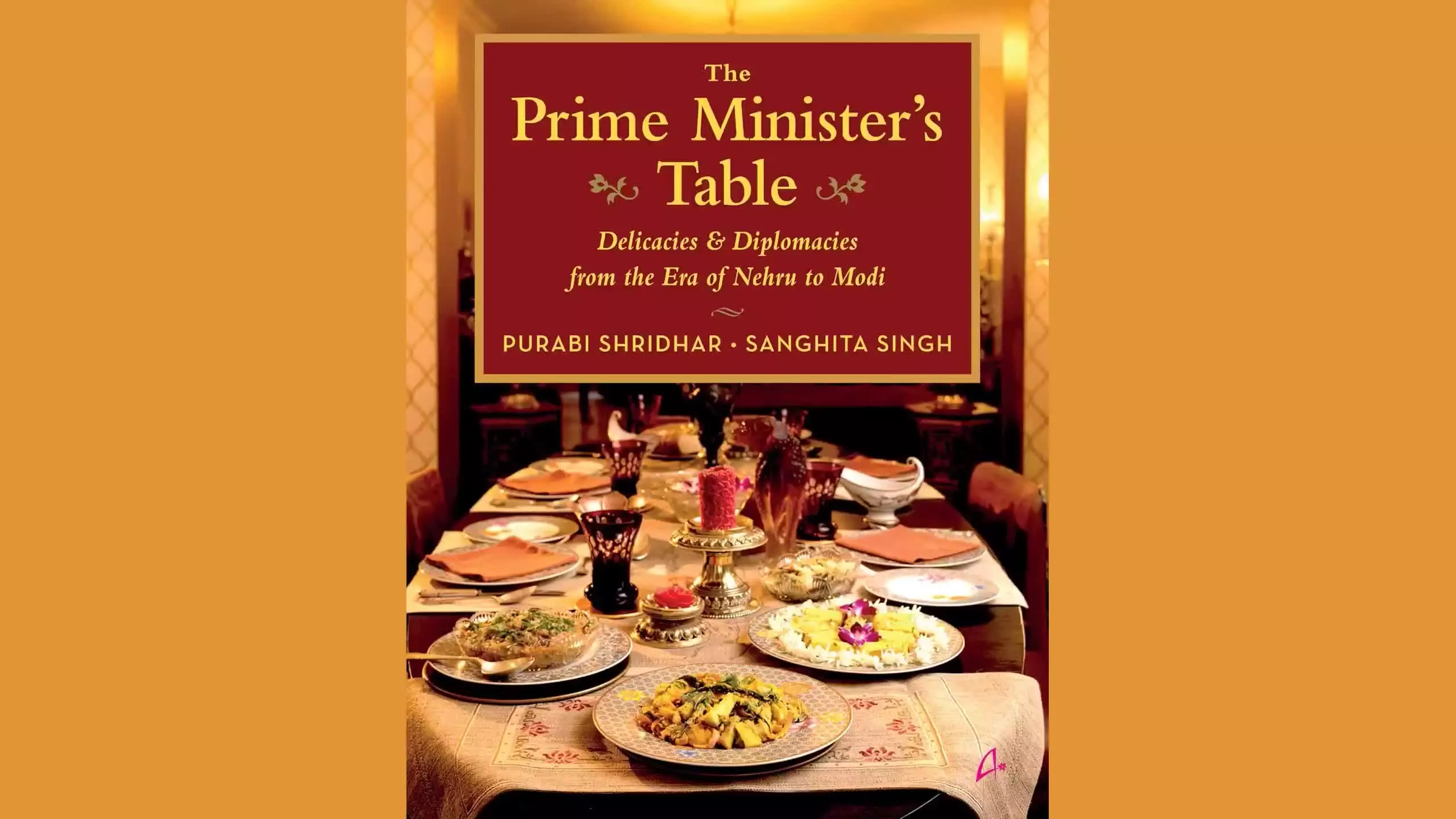
The Prime Minister’s Table: Delicacies & Diplomacies from the Era of Nehru to Modi by Purabi Shridhar and Sanghita Singh is a book about what has gone into the stomachs of India’s leaders. To investigate what these dishes were, the authors have conducted an impressively extensive range of interviews, ranging from family members of former PMs, to their staff, to even interviewing some of the few living former PMs.
The earlier chapters sometimes lack direct information from those who shared meals with or made meals for the PMs, on account of such people being dead, though they more than make up for this with other details of the lives of PMs. Approaching more contemporary entries, the authors can wrangle up more people with direct experience, giving us an even clearer picture of prime ministerial tables and home lives.
More importantly, the kitchen table is a vehicle to showcase what these men (and one solitary woman) were like with their families, their close friends, and internally. The authors take us through myriad aspects of the PMs’ personal lives: Indira Gandhi’s relationship with spirituality, Desai’s, ahem, quirks, Gujral as a grandfather, and so on.
The book’s discussions of the personal lives of PMs are interesting, insightful, and at times even heartwarming. Trouble starts to creep in by virtue of the fact that the book must also cover, in part, the politics surrounding these figures. The book’s thesis that the PMs were ‘just like us’ is fundamentally untenable. The tremendous power and influence these people wield render them very much unlike us -I have never ordered the police to open fire on a crowd of protestors, and I really hope you haven’t either.
To those critical of power in all its forms (and I do mean all), reading this book can at times be tough. Rajiv Gandhi seems like he was genuinely fun to dine with, until he gets blown up at the end of his chapter and I am reminded of his role in the ethnic cleansing of Eelam Tamils. The problem is perhaps most glaring in the most contemporary chapter of the book, where, when I turned page 283, I was decked square in the jaw by a photo of Benjamin Netanyahu staring at me (no prizes for guessing who he was with). That chapter extensively mentions Israel, but purely in a culinary context in relation to the Indian visitor, yet I find it extremely difficult to separate this from the ongoing genocide.
The book has set itself an impossible task of sorts. The sheer scale on which its lead characters have affected countless others, positively and negatively, vastly outweighs who they might’ve been at home. What we learn of their personal lives through the book is indeed very interesting, but ultimately, haunted by the spectre of their political lives.
The Prime Minister’s Table
By Purabi Shridhar and Sanghita Singh
Amaryllis
pp. 322; Rs 1,499