Her book focusing on some of her most significant assignments is not just magnificent reading but also a glimpse into the tortuous and often tragic workings of the Subcontinent
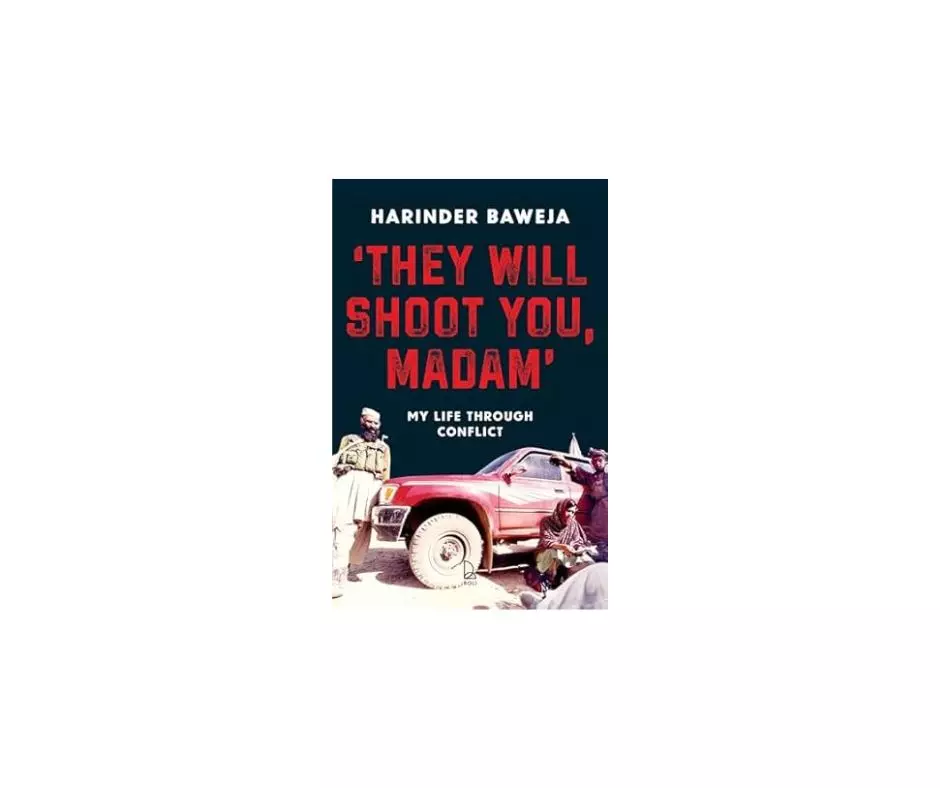
Not everybody gets to witness “slices of contemporary history” much less chronicle it. Award winning journalist Harinder Baweja is one of those rare persons who has had the rare privilege of having had a ringside view of some of the most momentous episodes of India's recent history. Not only has she scrupulously covered those events but perhaps more importantly has managed to retain her reporters’ integrity and neutrality through all of it. A rare feat indeed!
Her book focusing on some of her most significant assignments is not just magnificent reading but also a glimpse into the tortuous and often tragic workings of the Subcontinent.
The book has 12 chapters — apart from a preface, introduction and epilogue — each dealing with an event or episode which the author had covered as a reporter. Most of the topics also happen to be major developments in India’s recent history. Baweja begins with her reporting on the upheavals in Punjab during the 1980s and the Khalistan separatist movement there. This also happened to be her first major assignment and a double challenge given her gender and Sikh identity. It would have taken great courage to cover Punjab during that period and rise above religion or sectarian biases.
“1984 was a catastrophic year for India,” she writes. “The storming of the Golden Temple with heavy armaments left a deep impact on the Sikh psyche. It also led to the assassination of a serving prime minister by her Sikh bodyguards.” This was the time when the author began her “journey through conflict, mapping India's fault lines, being a witness to contemporary history, studying fast paced, seismic events that have altered the country, its contours, its polity”.
The large-scale massacre of Sikhs after Mrs Indira Gandhi’s assassinations disturbed the author deeply but “invoked feelings of humanity, not religion”. She rightly points out that reporters “must learn the fine art of neutrality. It is particularly important in a conflict zone”.
The subsequent chapters deal with a series of key episodes in the author’s career as well as in the nation’s history. One chapter titled ‘The Underworld and a “Bhai”’ is based on an interview with the notorious criminal Chhota Rajan alias Rajendra Sadashiv Nikalje; another is on the Kashmiri terrorist turned politician Yasin Malik who is currently in jail facing murder charges; Babri Majid and Ram Mandir is the subject of another anguished essay; and her visit to Pakistan-occupied Kashmir and an interview with the ageing Sardar Abdul Qayyum Khan is another chapter.
The next six chapters include one on the Lashkar e Taiba headquarters in Muridke, which the author visited, the uprising in Kashmir, the Indian Army’s short-lived “rogue army” in Kashmir led by Kukka Parrey, the abrogation of Article 370 which the author dubs a ‘Great Betrayal’, her encounter with the Taliban in Afghanistan, the Kargil War and her investigation of illegal immigration that led the author to Europe.
The author concludes on an optimistic note despite noting the emergence of hate as a national fault line. “...I’m a firm believer in the power of individuals,” she writes. Her sympathies clearly are with those “who continue to wage daily battles to end civil strife; to fight for a united, pluralistic and secular India that is fundamentally enshrined in our Constitution”.
They Will Shoot You, Madam: My Life through Conflict
By Harinder Baweja
Roli
pp. 400; Rs 895
