Delhi is the protagonist here and we mourn its fall from grace, time and again
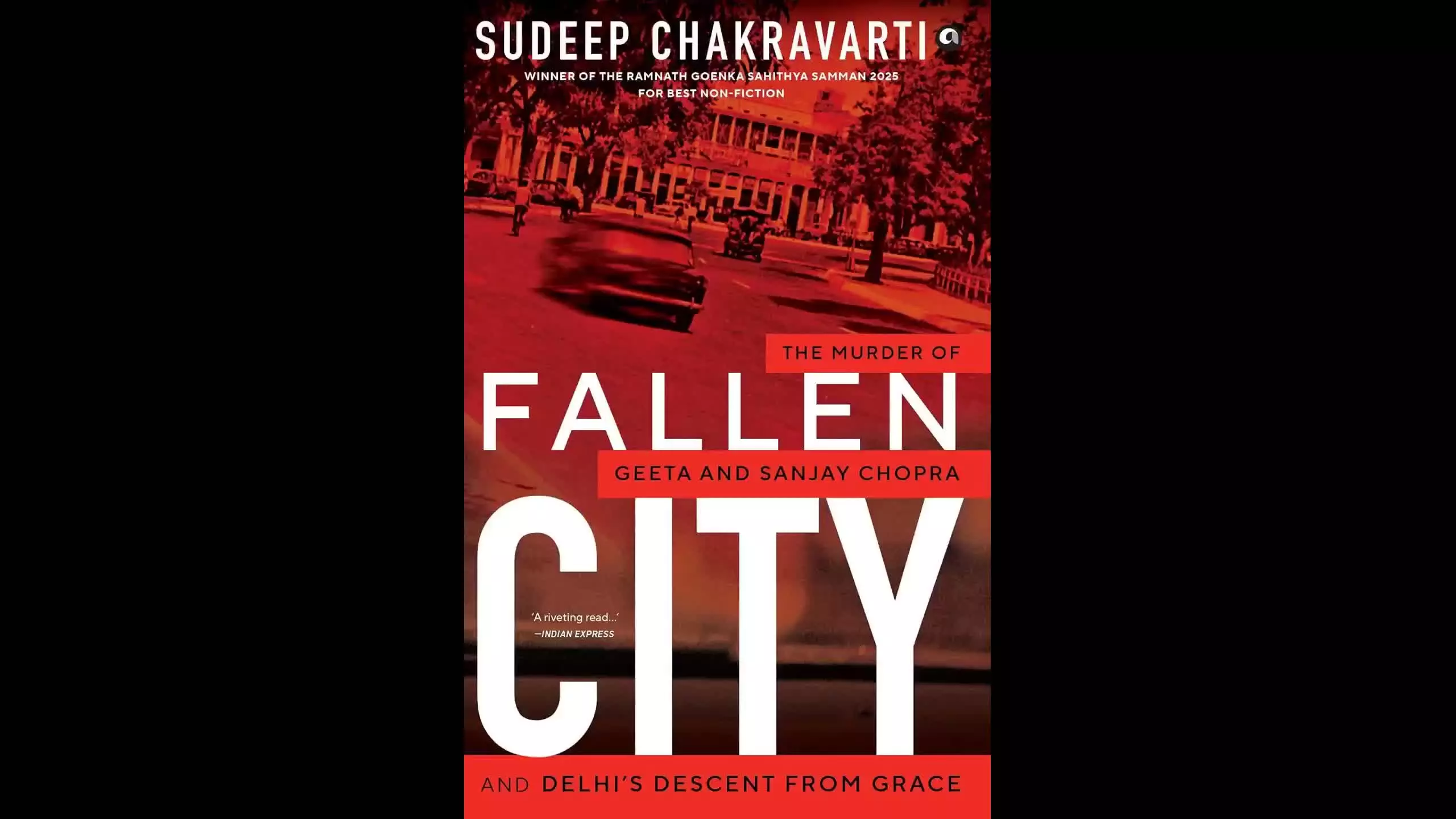
This book, possibly re-released to coincide with the new OTT series Raakh based on a similar topic, is more than just a book tracing a crime which at the time shook up an entire nation. It is actually a chronicle of the years leading up to the heinous incident, and the social and political fabric framing it.
Delhi is the protagonist here and we mourn its fall from grace, time and again. A crime committed is a stab at the city’s soul, a pogrom leaves the place in shreds, Emergencies and political upheavals pull down its morale. The central theme is, of course, Sanjay and Geeta Chopra’s murder, which held the country in thrall for days. When Billa and Ranga, the culprits, were hanged in Tihar Jail, it didn’t portend an end. It instead opened up the underbelly of a cauldron called Delhi.
Those who have grown up in the seventies would be searching for themselves in every nook and cranny of this page-turner. They would all have their own versions of relatives reliving the Partition horrors, memories of blood on the streets of Calcutta in Naxal grip, the Bangladesh war, Indira Gandhi’s oppressive Emergency and her brusque younger son’s steady rise to infamy.
Siblings Sanjay and Geeta Chopra left the protected confines of their home on August 26, 1978, evening never to return. Four days later, their mutilated bodies were found in a densely forested area along the western outskirts of Delhi. The city was horrified and the country demanded answers from the ruling party. A manhunt was mobilised and the culprits were caught surprisingly soon. They were also convicted and executed in a fast-track court. The book delves deep into this disturbing case, and very dexterously collates eyewitness accounts, archival research, court records and original interviews to make us relive the times. A detailed report on the court proceedings and the defence’s opposition of the death sentence, Billa and Ranga’s repeated appeals to the courts to annul their execution to a life term in prison, their stubborn impenitence till the end, all add to the whole picture. Despite public outrage, a petition for the President’s pardon had also been filed, which was, eventually, dismissed. The gruesome details of the case make you squirm, yet have been handled matter-of-factly, which is a relief.
The book talks of the tumultuous times preceding and following the Chopra murder case and takes us through bloodbaths and unsettling political climes we all have stood witness to. It is juxtaposed against a city turning and thriving, and people who have lived through the sublime to the ridiculous. The book, in the end, tells our story.
Fallen City: The Murder of Geeta and Sanjay Chopra and Delhi’s Descent From Grace
By Sudeep Chakravarti
Aleph
pp. 246; Rs 499/-