More than religion, though, politics has always been part of the idea of a caliphate. As Zionism grew in and around Jerusalem, Islam sought other lands, specifically the rich princely state of Hyderabad where Asaf Jah ruled brighter than the dim glow of the fading Mughals, and carried with him the blessing of the British to boot
There is a part of history that deals with issues seemingly ethereal, unreal if you think about it logically. Religious leadership could qualify as one such. In Islam, a religion where Tawhid, or the absolute oneness of God (Allah) with no partners is central to its belief, the idea of a caliphate seems unnecessary. Yet, they were there, and public imagination still hovers around such a political-religious state, led by a caliph, a super-religious figure who supposedly acts as a successor to the Prophet Muhammad.
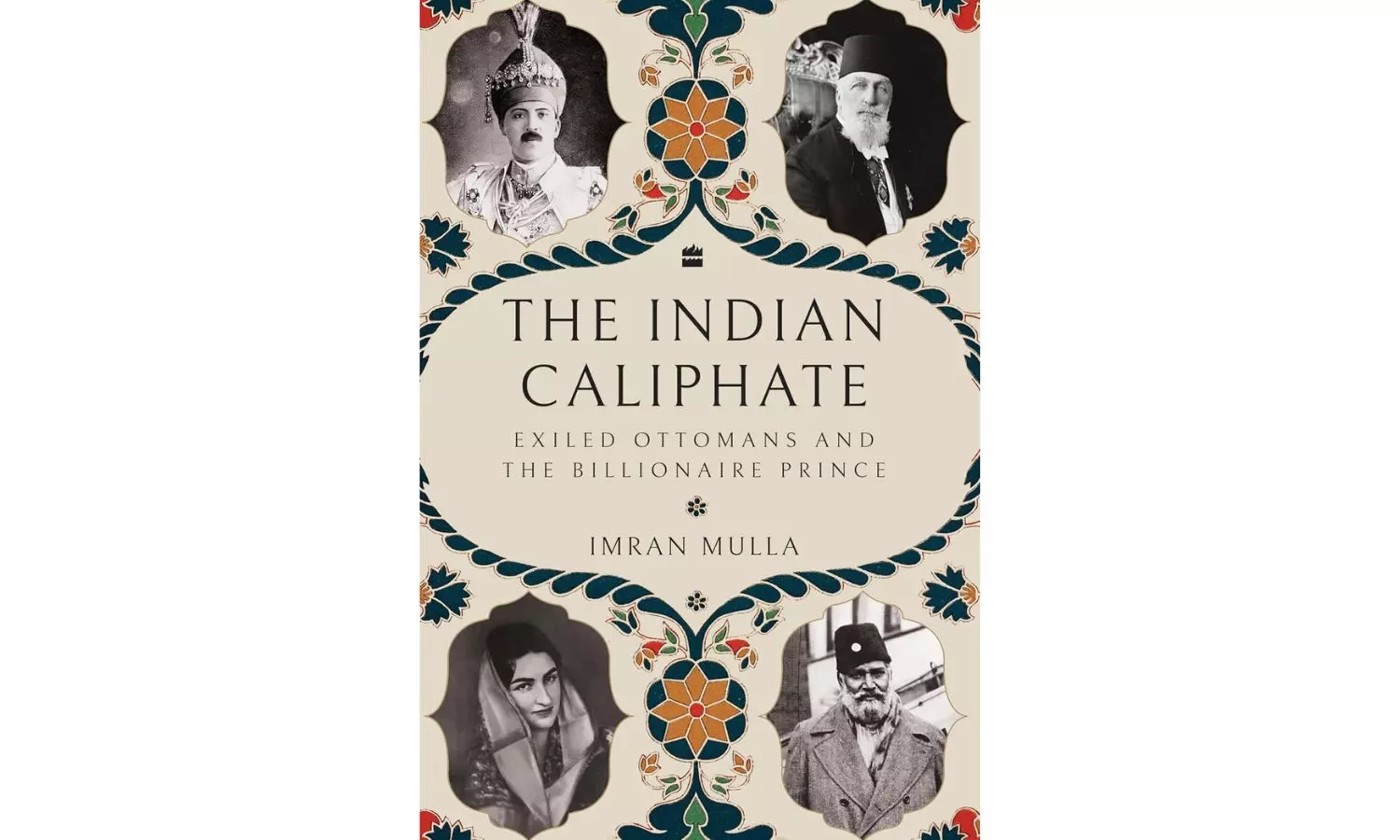
The imagery is so strong that it survived centuries, even after the Ottomans sought a more modern path within its religion. And when the Mughals ruled India, making it possibly the richest nation on earth with a huge Muslim population, that imagery attempted to revisit thrones. Imran Mulla, in his brilliantly researched book The Indian Caliphate, traces the last caliph on Indian shores and looks back into the tumultuous history that includes the Khilafat movement of India and much more.
More than religion, though, politics has always been part of the idea of a caliphate. As Zionism grew in and around Jerusalem, Islam sought other lands, specifically the rich princely state of Hyderabad where Asaf Jah ruled brighter than the dim glow of the fading Mughals, and carried with him the blessing of the British to boot. For the age-old symbolism to survive, an Ottoman princess came into the fold of the ruling family through marriage. That was big news, even for the British.
It was another matter that this symbolism, of a caliphate, had only political importance in a country which, while yet to be ‘India’, was united into a whole by the Raj. Hyderabad, however, wasn’t the only hotspot, so to say. As Tipu Sultan, the ruler of Mysore, broke off completely from the Mughals, he recognised the Ottoman Caliph, Tipu’s gain being the international recognition he had sought.
There was no caliph for Indian Muslims, yet the symbolism stayed. Let us be true to ourselves. The idea of a new caliphate or the Khilafat movement wasn’t as far removed from Indian involvement as it seems. Abdul Ali Khan, Shaukat Ali and even Maulana Abdul Kalam Azad were in a way dealing with the Young Turks. The idea was all at once strange, as well as a natural progression from the absence, for the Muslims of India, of a leadership to follow after the fall of the Mughal Empire and then after Tipu Sultan’s demise.
It was more, though, than nature abhorring a vacuum, but a better metaphor would be an identity search.
Frankly, why that was necessary at all in a country fast assimilating forces to oust a common enemy, the British, is a matter of debate, but within the immense confusion of ideological acrimony and personal preferences, strains of Ottoman influence, as well as the idea of the somewhat ethereal caliph figure sustained.
The book delves deep into history, sometimes digressing a bit far, though information for its sake is always welcome.
This is a book for all lovers of history, exploring an angle that may have been overlooked within the emotional texts that tell colourful stories of a caliphate. This is real.
The Indian Caliphate: Exiled Ottomans and the Billionaire Prince
By Imran Mulla
HarperCollins India
pp. 304; Rs 799/-
