This engrossing and delicious story has many layers, and does equal justice to a travelogue and a novel
It’s 1938, and young Japanese novelist Aoyama Chizuko’s novel, A Record of Youth, is a huge success. Its film adaptation is even more successful, and eager publishers are constantly knocking at Aoyama’s door. She’s tempted to accept an offer from a magazine that wants her to set a serialised novel in Taiwan (an all expenses paid trip), which is currently under Japanese colonial rule. While Aoyama is a keen traveller, she rejects the offer because she refuses to taint her work with propaganda for the Japanese empire.
Aoyama briefly considers going on a holiday there, but she would have to appeal to the heads of her family for permission, and they would never agree. They want her to get married instead, something that she swears she will never do — unusual for a 26-year-old woman in that period.
Fortune smiles on her when a ladies’ group in the Japanese Government-General of Taiwan invite her on a year-long lecture tour across Taiwan. Aoyama is given a local interpreter, O. Chizuru, a former Japanese-language teacher in a primary school. O. Chizuru goes above and beyond her interpreter duties to cater to Aoyama’s whims. Not easy because Aoyama is not your standard snobbish Japanese tourist. Instead, she turns up her nose at all things Japanese, and insists on local fare, street food included — and she has an enormous appetite. Very often, O. Chizuru cooks local delicacies for her. The pages are filled with vivid descriptions of steaming broths and elaborate recipes. Note: Best to be armed with snacks when reading this book because you’re bound to feel very, very, very hungry.
As Aoyama soaks in the sights, sounds, smells, tastes, history and culture of Taiwan, her fondness for O. Chizuru grows, why she even has a pet name for her! The two have a good relationship, even though the differences between them are stark. Aoyama is open, spontaneous, engaging, amusing, and generous, while O. Chizuru is restrained, reveals very little about her personal life, and wears a mask most of the time. Aoyama frequently begs her to turn their working relationship into friendship, but O. Chizuru politely rebuffs her each time; she also indicates her disapproval when Aoyama springs to her defence on occasions where she is treated like an inferior local by other people. She firmly assures her that she can deal with it.
All Aoyama really knows about O. Chizuru is that she is going to get married to an older, widowed man, and it fills her with horror. She offers to take O. Chizuru back to Japan with her so they can spend their lives happily together, but is rebuffed once again. Finally, things come to a head when a frustrated O. Chizuru tells Aoyama to keep things between them professional, or else.
This engrossing and delicious story has many layers, and does equal justice to a travelogue and a novel. Unsurprisingly, it won the 2026 International Booker Prize, with equal kudos to the author and the translator.
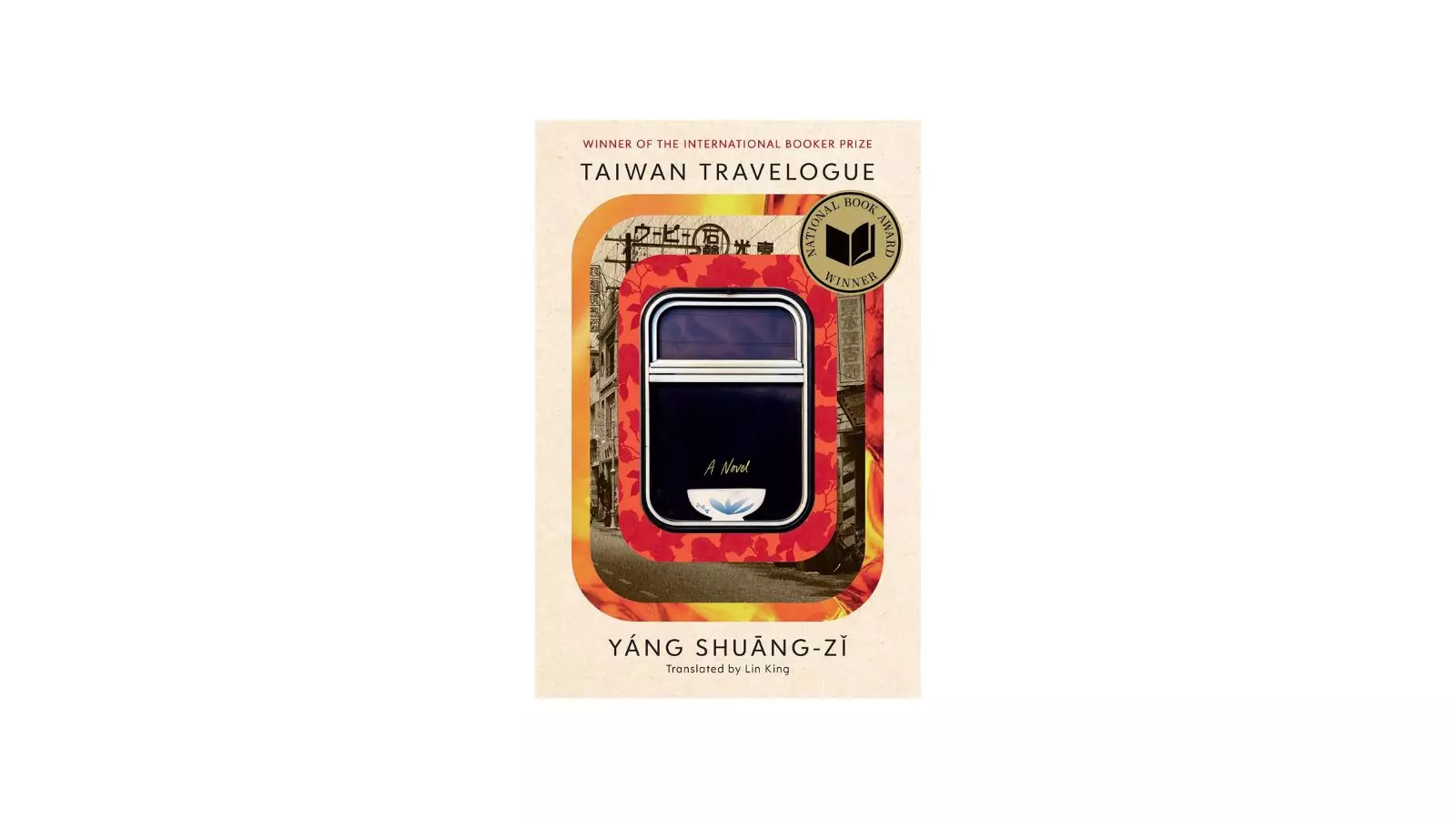
Taiwan Travelogue
By Yang Shuang-Zi
Tr. by Lin King
Picador India
pp. 293; Rs 499/-